
2
It is said that an African kitchen is incomplete without a pot of stew, and at the heart of that pot is the tomato. As one of the most consumed vegetables in Nigeria, tomato has long been the foundation of stew, jollof and soup in every household budget.
For a vegetable that features in almost every Nigerian kitchen, it is striking that the country still relies on imported tomato paste to meet local demand.
In a bid to strengthen local production, Tomato Jos set out to produce food for Nigerians in partnership with the farmers who grow it. From Kaduna State, how is the company contributing to Nigeria’s tomato industry?
The Cost of Tomato Loss in Nigeria
For the most part, production has not been the problem. Nigeria is one of Africa’s largest tomato producers, with annual production estimates ranging from 2.3 million to 3.9 million metric tonnes.
The problem, however, is how much of that harvest goes to waste. The country loses an estimated 40–45% of its tomatoes after harvest, largely due to poor handling, inadequate storage and limited processing capacity. Tomatoes are highly perishable, and without the facilities to preserve them or turn them into paste, much of what farmers grow may never reach consumers in good condition.
To put the import issue into perspective, between 2015 and 2016, Nigeria imported around 190,000 metric tonnes of foreign tomato paste just to meet domestic demand.

We are excited to share with you
This FREE E-Book of 50 Agritech Pioneers & Their Game Changing Innovations.
Download the Ebook now
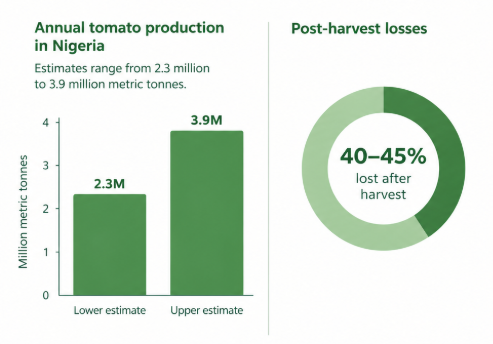
Between the tomatoes lost after harvest and the paste imported to meet demand, there is a costly gap between what Nigeria grows and what it can preserve and process.
The Import Ban: A Step in the Right Direction?
On 27 March, 2017, the Federal Government banned the importation of tomato paste, powder and concentrate for retail sale, while raising tariffs on imported tomato concentrate from 5% to 50%. The policy was aimed at reviving the local tomato industry and creating more room for Nigerian processors to meet domestic demand.
For a country losing a significant share of its tomato harvest while spending heavily on imported paste, the policy offered a way to shift more attention towards local production and processing. It also presented an opportunity for processors to build capacity and give farmers a stronger market for their harvest.
But a ban alone could not address the challenges facing the industry. Local processors still needed a steady supply of tomatoes, adequate facilities and the capacity to meet demand.
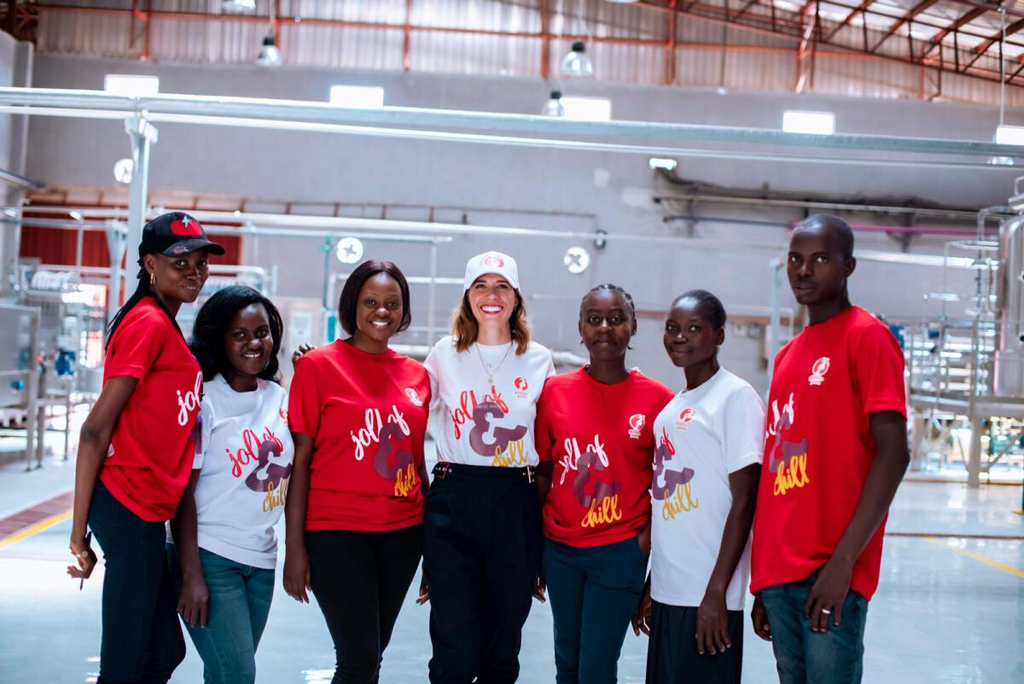
With the ban came an opportunity for local processors to take up a larger share of the market. Tomato Jos was one of the companies working to fill this gap. Founded in 2014, the company set out to build a tomato processing business in Kaduna State, where tomatoes are grown in large quantities.
Tomato Jos: A Taste of Nigeria, Grown in Nigeria
Tomato Jos is built around the idea that the tomatoes grown in Nigeria should also have a place in the country’s food processing industry.
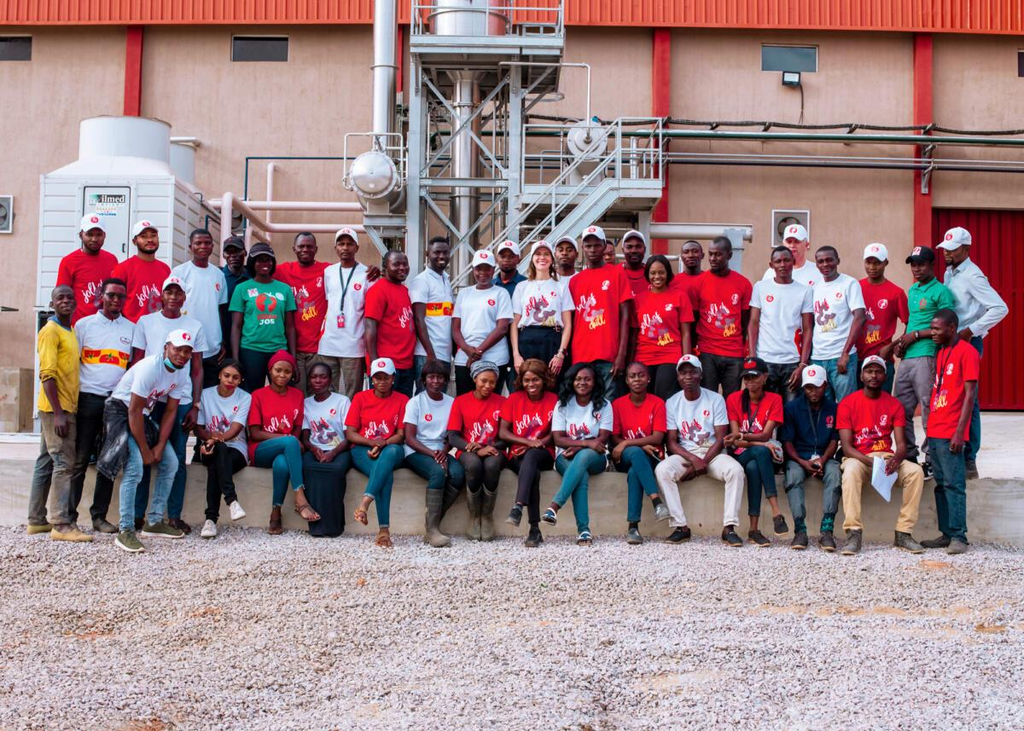
Its approach brings together three parts of the value chain. The company grows tomatoes, works with farmers who supply them and processes the harvest into a product that can reach consumers throughout the year. More than half of its raw materials come from local smallholder farmers in Kaduna State.
How the Tomato Jos model works
- Farm operations: Growing tomatoes through its own farming activities.
- Smallholder sourcing: Working with local farmers to secure a supply of fresh tomatoes.
- Local processing: Turning harvested tomatoes into packaged paste for the Nigerian market.
More interestingly, the idea extends beyond putting a locally made product on supermarket shelves. For Mira Mehta, Tomato Jos’ founder and CEO, the bigger mission is to help create a rural middle class in Northern Nigeria by helping subsistence farmers become profitable commercial growers.
From Outgrowers to Ingrowers
Part of this approach is the company’s move towards an ingrower model. Here, farmers grow tomatoes on a company-managed farm with more direct support, rather than operating independently under a conventional outgrower arrangement.
This is because better seeds and training alone may not be enough to make farming profitable for smallholders. How farmers grow their crops, the support they receive and the market available for their harvest all influence how much they earn.
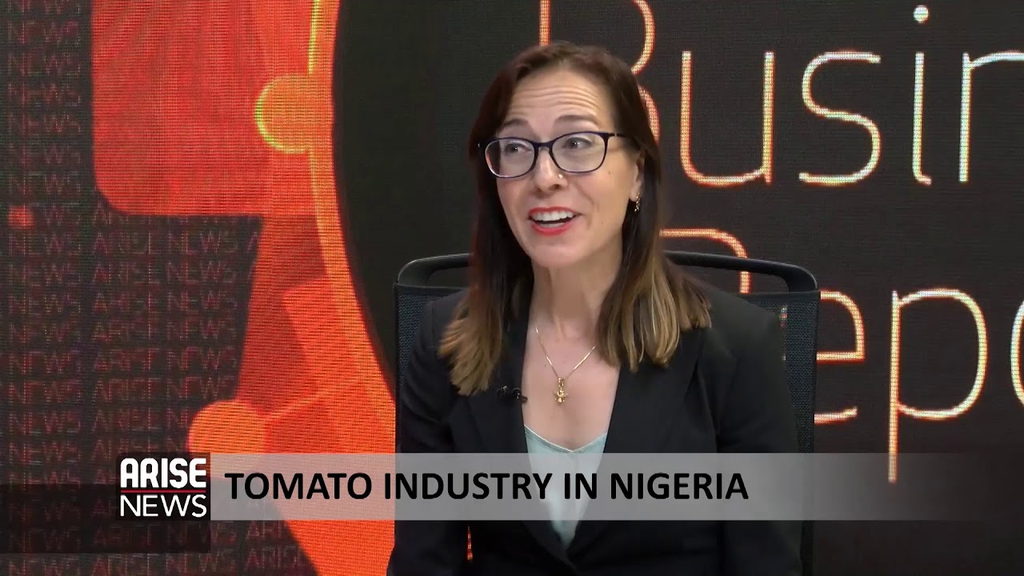
Mehta says farmers working through the ingrower model can earn four to five times what they would make farming independently. That amounts to a reported 400–500% increase in earnings.
The People Behind the Paste
Tomato Jos works with 350 partner farmers. Through training, improved seeds and access to markets, the company helps farmers improve their yields and supply tomatoes to its processing factory. It was a means to help farmers improve their earnings and become more commercially productive beyond simply tomatoes to the factory.
According to Mehta, the processing facility’s initial capacity was reported at 84 tonnes of fresh tomatoes per day, while later figures put its regular daily processing at around 90 to 100 tonnes. This capacity allows the company to process substantial quantities of fresh tomatoes into paste for the domestic market.
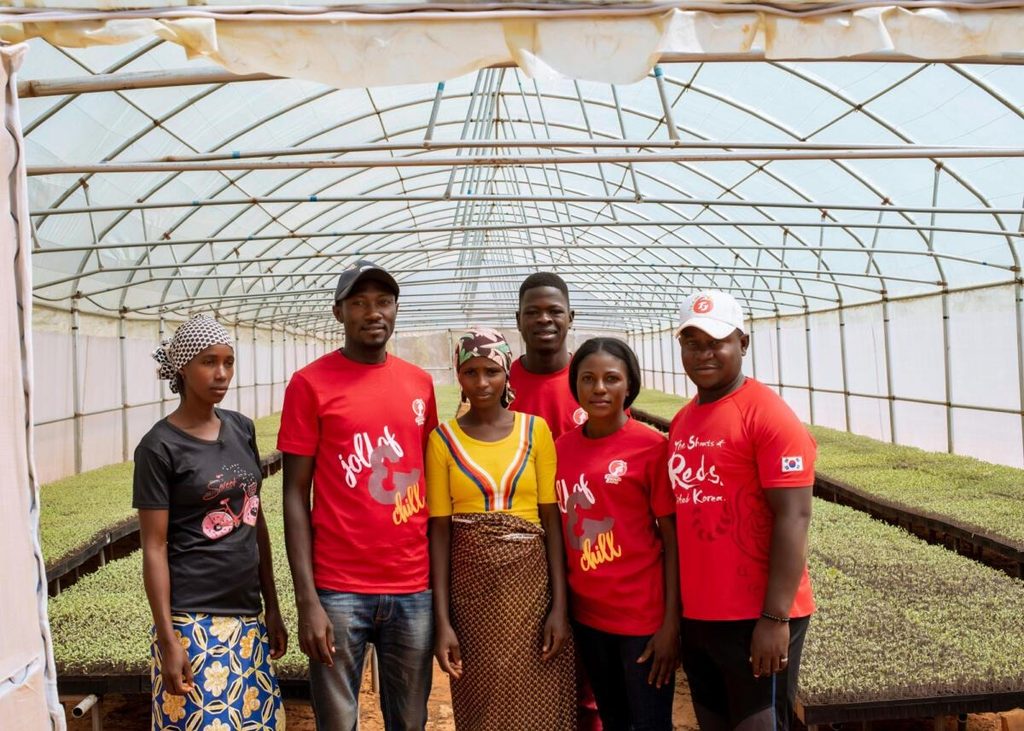
And then there are the farmers. For them, access to a market and the right support can make a difference to what they earn from each harvest. For the company, it means building a business whose supply chain begins with local agriculture. That is a win-win, because the strength of the finished product depends in part on the farmers and production system behind it.
Scaling Up Through Strategic Investment
In 2026, Tomato Jos secured two investments to expand its tomato processing operations and strengthen its work with smallholder farmers.
Two investments in 2026
- $2 million from Sabou Capital (May 2026)
An impact-linked debt facility to expand processing capacity and grow the company’s smallholder farmer network. - $2.5 million from AgriFI (September 2026)
A convertible-note investment to fund packaging equipment, factory upgrades, expanded drip irrigation and new product formats.
The investments are expected to fund factory upgrades, packaging equipment and expanded drip irrigation while helping reduce production costs, develop new products and reach more customers.
Tomato Jos aims to increase annual fresh tomato production from just over 4,500 to 16,000 tonnes by 2029 and expand its smallholder farmer network from about 500 to 1,500.
A Business Built to Grow
Tomato Jos began with an ambition to build a local tomato processing business. For Mira Mehta, this meant starting small, experimenting and generating cash early. Her advice to entrepreneurs is to test ideas, learn from the results and scale what works rather than wait until everything is in place.
After all, building a business that transforms how Nigeria grows and processes its food may begin with one small experiment, one farmer and one idea worth growing.