18
African agriculture is not bereft of ideas. Every year, founders develop solutions to make the sector more productive and efficient. However, a good solution doesn’t guarantee funding, nor does it ensure investors’ backing. For many agritech founders, securing that first round of funding has been a hurdle.
As though building a good solution weren’t challenging enough, finding the right capital to take it further comes with its own demands.
So, as an agritech founder, your funding playbook must cover more than finding investors. It should help you identify the right type of capital, when to seek it and who to approach.
What a Seed Round Is (and Isn’t)
In startup parlance, a seed round is an early round of funding that helps a business move from an idea or early product towards a business model that can work at scale.
For an agritech startup, this could mean testing a new farming technology, getting a product into the hands of farmers, building a founding team or finding out whether customers are willing to pay for the solution. The goal is to gather enough evidence to show that the business has potential beyond its initial idea.
Seed funding, also called seed capital or seed money, can come from angel investors, venture capital (VC) firms, accelerators, or even friends and family. Depending on the arrangement, founders may give up a portion of their ownership in exchange for the investment or use a convertible instrument that can turn into equity later.
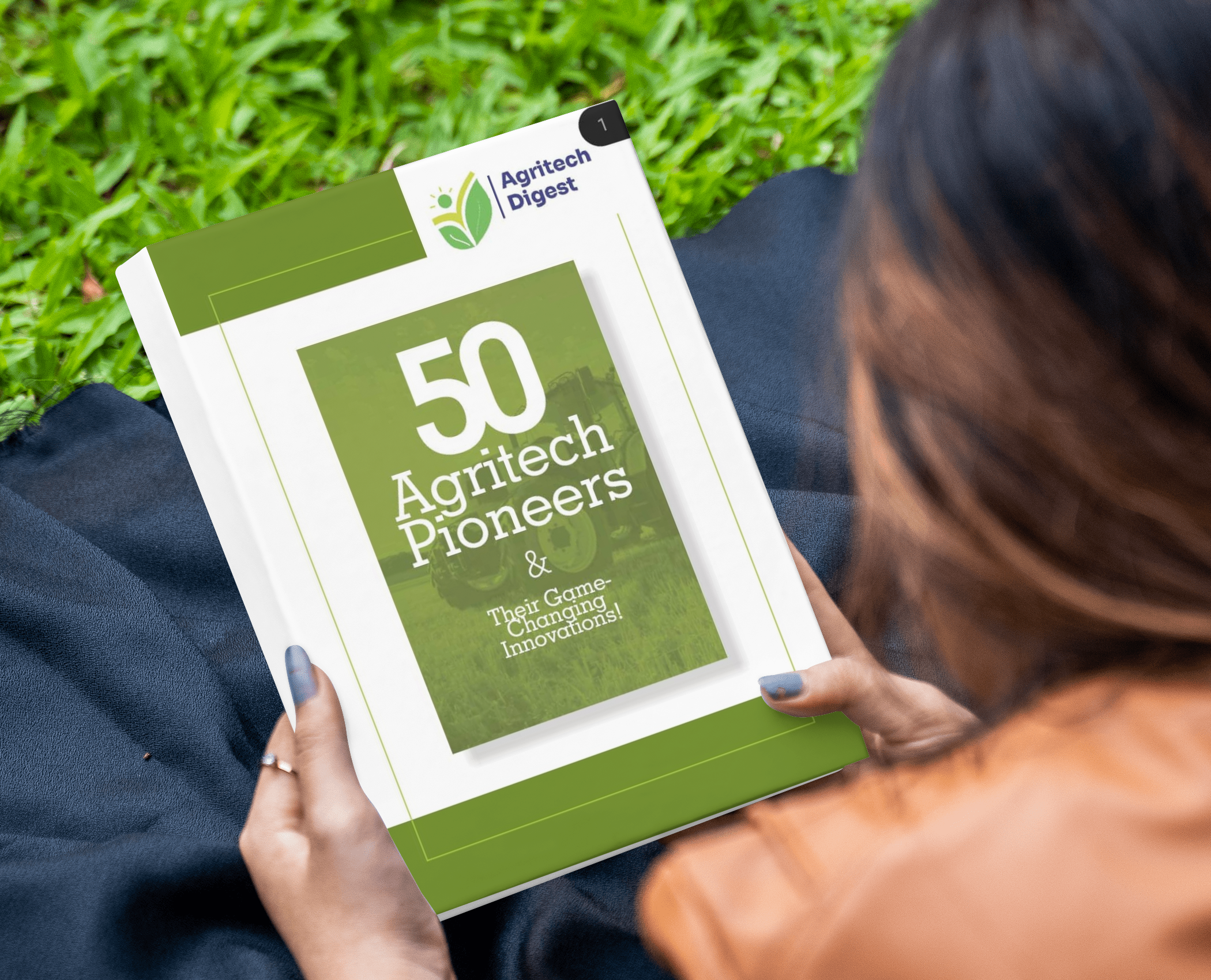
We are excited to share with you
This FREE E-Book of 50 Agritech Pioneers & Their Game Changing Innovations.
Download the Ebook now
A seed round takes you from a minimum viable product (MVP) towards a business that has evidence behind it. It is not necessarily the stage where you are ready to expand into several states or serve thousands of farmers. First, you need to establish what works, who will pay for it and whether the model can be sustained.
You can use seed funding to:
- Test and improve your product with farmers or other intended customers.
- Hire key team members and build the capacity needed to deliver the solution.
- Validate demand, secure paying customers and refine your business model.
- Build the operational systems needed to prepare for growth.
Seed funding is not the only way to reach this stage, however. Grants, competitions and other non-dilutive funding can help founders develop and test their solutions without giving up equity. Once you have reduced the key technical risks and gathered evidence that customers need your product, you may be in a stronger position to approach investors.
For investors who back the right startup early, the potential returns can be significant. But that potential comes with considerable risk. The business may still be testing its technology, working out its route to market or trying to establish a reliable revenue stream. That is why investors look beyond the idea itself to the team, the problem being solved and the evidence that the business can grow.
But Before Seed, There Is Pre-Seed
Before a startup raises a seed round, it may go through a pre-seed stage. This is usually where founders turn an idea into an early product, test their assumptions and gather initial feedback from potential customers.
For an agritech founder, this could mean building a prototype for a farm management tool, testing a new processing technology or speaking with farmers to establish whether a proposed solution addresses a problem they are willing to pay to solve.
Pre-seed funding can come from personal savings, friends and family, grants, angel investors or early-stage funds. At this point, the business may have little revenue or evidence of demand. The priority is to develop the idea and establish whether it is worth pursuing.
A seed round typically follows when the startup needs more capital to validate its business model, strengthen its team and demonstrate that its solution has market potential. The reality however is that the distinction is not always strict, as funding stages vary between startups and investors.
What Seed Funding Has been for Agritech in Africa
Is African agritech currently receiving adequate seed funding? The situation is more complex than it appears.
In 2021, as reported by AgFunder, African agrifoodtech recorded 150 investment deals, 121 of which were seed rounds. That meant about four in every five deals were at the seed stage, showing how much of the sector’s funding activity was concentrated on early-stage businesses.
Since then, the funding terrain has changed. Investors have become more selective and raising capital is no longer as straightforward as it may have seemed during the funding boom. For founders, this makes it important to understand where the money is going, which kinds of startups are attracting it and what investors are looking for.
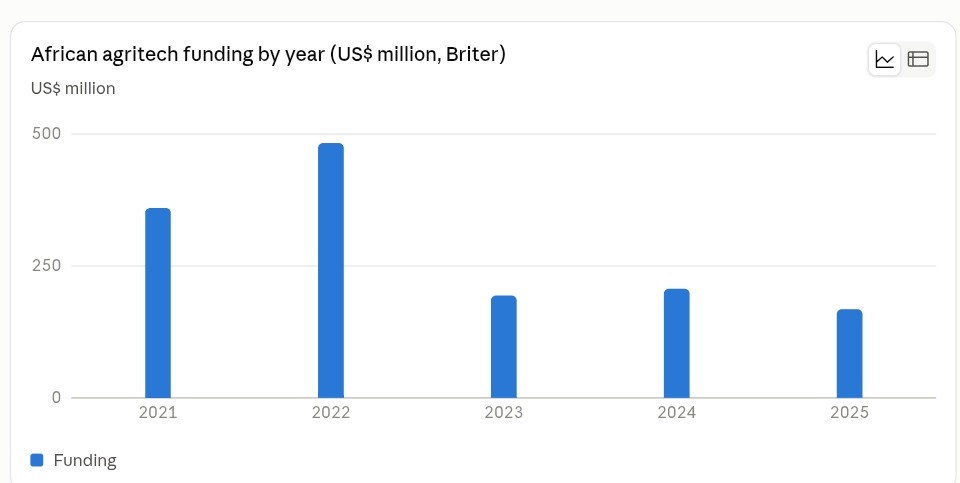
So, what have the past two years looked like? Let’s look at some of the agritech startups that have raised funding and what their rounds can tell us.
Notable Agritech Startups with Seed / Pre-Seed Rounds (2024–2025)
A look at some African agritech startups that raised early-stage funding and what they are building
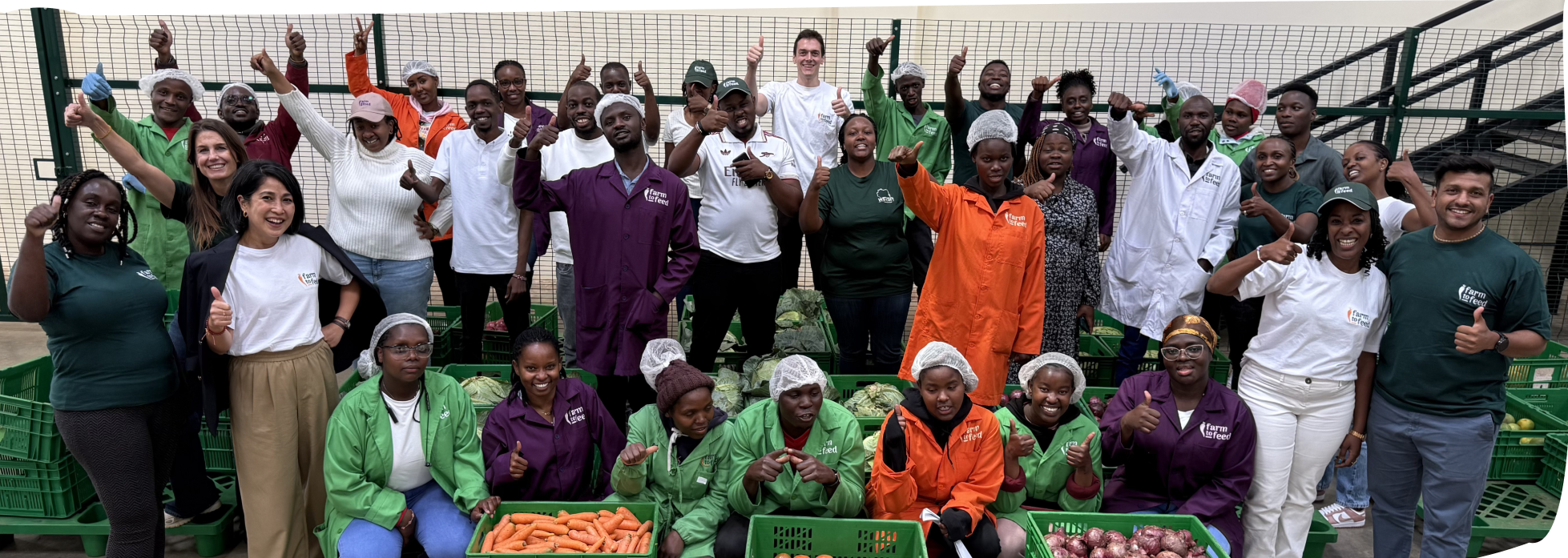
1. Farm to Feed (Kenya)
Farm to Feed connects smallholder farmers to businesses that need reliable supplies of fresh produce, including fruits and vegetables that might otherwise go to waste. In 2024, the startup raised $1 million in pre-seed equity and grant funding to improve its operations, including produce collection and payments to farmers. In November 2025, it secured a further $1.5 million seed round to expand its operations in Kenya and other African markets
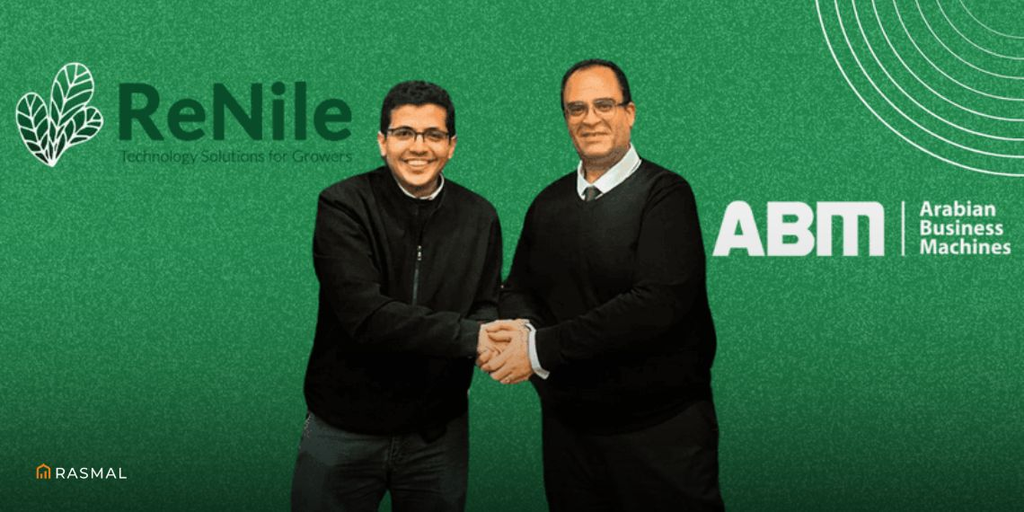
2. ReNile (Egypt)
ReNile develops smart-farming hardware and Internet of Things (IoT) solutions. In January 2025, it raised $450,000 in seed funding to expand its operations in Egypt and pursue growth in Saudi Arabia following an appearance on Shark Tank Egypt.
Is There a Funding Cap for a Seed Round?
How much can you raise at each stage? Here’s a quick comparison.
| Funding Stage | Typical Round Size (Median) |
| Pre-seed | $500,000 to $1.4 million |
| Seed | $1.5 million to $4.5 million |
| Pre-Series A | $2 million to $4.6 million |
| Series A | $7.3 million+ |
Source: Propel Africa, based on disclosed African startup rounds from January 2024 to August 2026.
Note: These figures are indicative benchmarks, not fixed limits. Agritech funding rounds may differ depending on the business model, capital requirements and investor appetite.
And more crucial for agritech founders, the amount you raise should reflect what the business needs to achieve before its next funding round.
Before You Raise: What Agritech Investors Should See
Seed funding rewards preparation. Investors in African agritech want to see evidence that farmers or buyers are willing to pay for your product, a business model that makes financial sense and a team that understands the value chain.
Get your records in order, know how much you need and be specific about what the money will achieve. Capital is tighter than it was at the 2022 peak, so build your case before approaching investors. Build the proof first, then find the right investors.
Not sure where to start with your funding journey? Here are funding options every African agritech founder should know: https://agritechdigest.com/the-money-map-grants-accelerators-and-funds-every-african-agritech-founder-should-know/