
15
For years, scientists have worked to develop seeds that can withstand drought and give farmers a better chance of harvesting crops when the rains fail.
Their progress has been considerable. Several drought-resistant varieties have been developed and released. It has offered new possibilities for agriculture in Africa. But how much of that progress has reached the farmers who need it most?
After all, the promise of a better seed means little if it never finds its way into the soil.
When Drought Threatens the Harvest
For millions of farmers in Sub-Saharan Africa, rainfall is everything—it dictates their harvests, their livelihoods, and their ability to provide for their families.
The region’s dependence on rainfall makes this challenge even concerning. The World Bank, posited that about 96% of cropland in Sub-Saharan Africa depends on rain-fed agriculture. When the rains fail, much of the region’s food production is exposed.
And the consequences go beyond a single poor harvest. The IPCC AR6 Working Group II report estimates that if global warming reaches 1.5°C, maize yields across Africa are predicted to decline by up to 17%.
We are excited to share with you
This FREE E-Book of 50 Agritech Pioneers & Their Game Changing Innovations.
Download the Ebook now
For farmers, lower yields can mean less food, reduced income and fewer resources for the next planting season.
It is against this reality that the development of drought-tolerant seed varieties becomes important. If rainfall cannot always be relied upon, farmers need crops with a better chance of surviving periods of water stress.
Seeds Built to Withstand the Dry Spell
Drought-tolerant seeds are not entirely new to African agriculture. For decades, researchers have worked to develop crop varieties that can withstand periods of limited rainfall and reduce the risk of crop failure.
Through selective breeding and field trials, scientists identify useful traits such as deeper roots, shorter maturity periods and the ability to produce grain under water stress.
And the results can be seen in several improved varieties developed for African farmers.
SAWA Hybrid Maize — KenyaDeveloped through collaboration between the International Maize and Wheat Improvement Center (CIMMYT) and Dryland Seed, SAWA is a drought-tolerant maize hybrid. CIMMYT reports that it can produce yields up to 20% higher than other popular drought-tolerant hybrids under the conditions described in its trials.
So, a farmer harvesting five bags of maize, a 20% increase would mean one additional bag, provided the reported advantage holds under the farmer’s conditions.
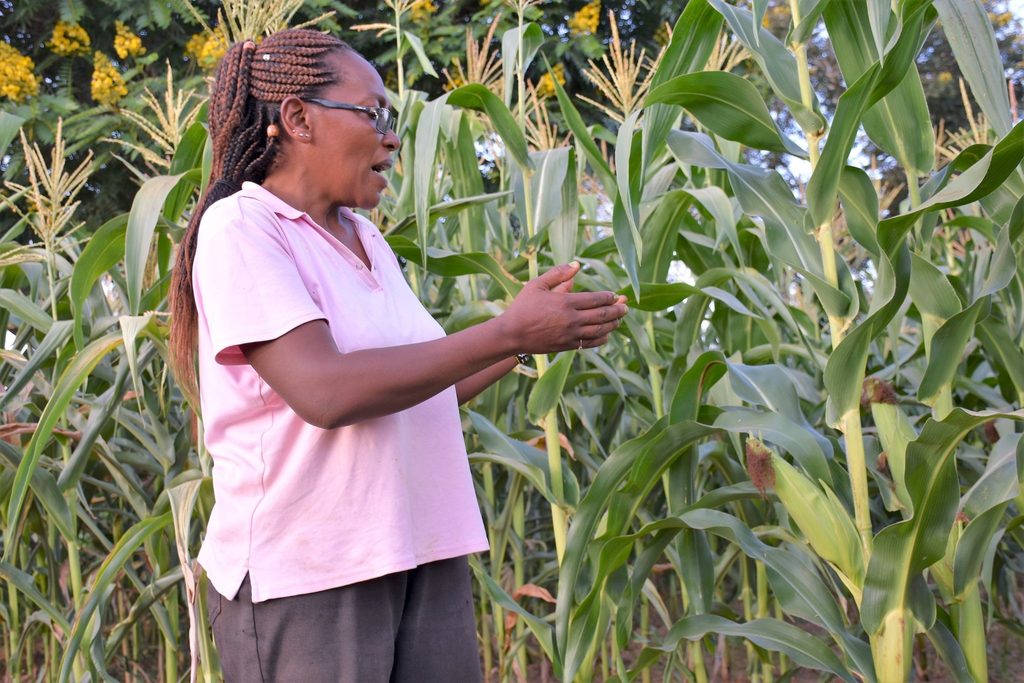
Katumani Mung Bean 26 — KenyaDeveloped by the Kenya Agricultural and Livestock Research Organisation (KALRO), this improved green gram variety can mature within 60 days, with a reported yield potential of 1,500 kilograms per hectare.
Its short maturity period is an important feature. A crop that completes its growth cycle earlier may have a better chance of escaping a late-season dry spell.
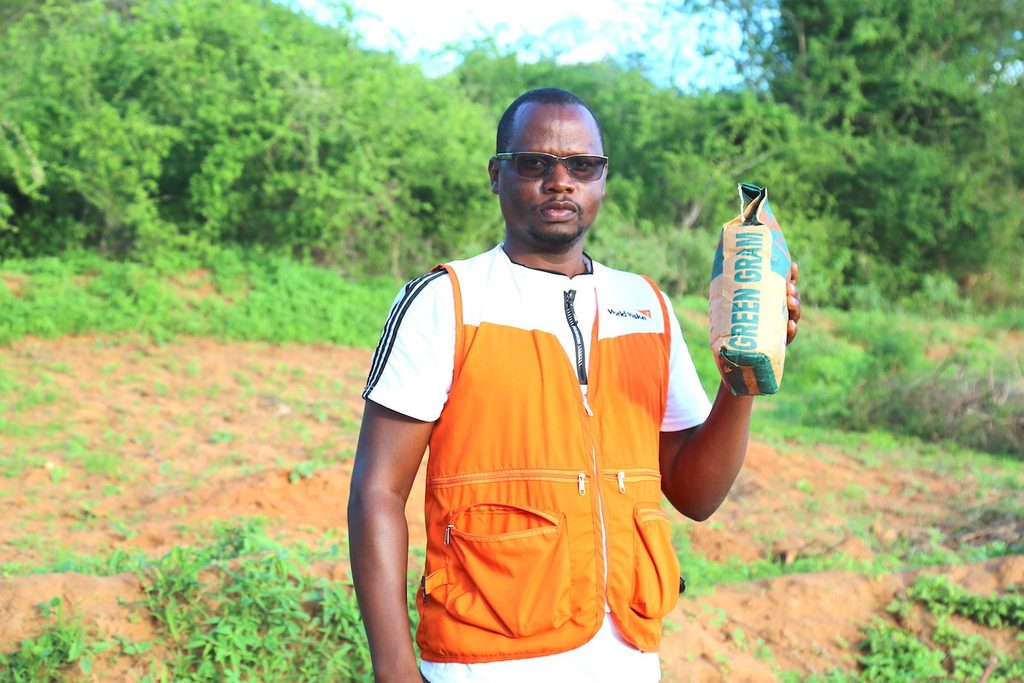
Seed Co Maize Varieties — MalawiIn Malawi, Seed Co has also developed maize varieties adapted to different growing conditions. These include early-maturing varieties such as SC 301 and drought-tolerant varieties such as SC 555 and SC 719.
Drought tolerance is more than surviving on less water. When a crop matures also shapes how much rainfall it needs before harvest, so a variety suited to the local season has a better chance of standing up to a dry spell.
Far beyond maize and green grams, research institutions have developed improved varieties of sorghum, millet and cowpea for dryland farming systems.
Applaudable advances, but the number of varieties developed is not the same as the number of farmers who can access them. That is where the next challenge begins.
Why the Seeds Are Not Reaching The Farmers
A seed variety may perform well in research trials and still struggle to find its way onto farmers’ fields. Between development and adoption lie several obstacles.
A 2025 meta-analysis of 23 studies published in Sustainable Futures reported a pooled adoption rate of 11.2% for drought-tolerant maize varieties in Sub-Saharan Africa.
Four barriers help explain the gap:
1. Affordability
Certified seeds can cost more than farmers can afford at the start of a planting season, especially when they must also pay for fertiliser, labour and other inputs.
2. Availability
A variety may have been released nationally without being stocked by seed dealers in remote farming communities.
3. Awareness and trust
Farmers need reliable information about which varieties suit their soils, rainfall patterns and preferences. Demonstration plots and extension services can help build confidence.
4. Weak seed systems
Limited seed multiplication, distribution networks and quality assurance can prevent improved varieties from reaching local markets in sufficient quantities.
In January 2025, Nature Africa report also highlighted the underuse of more than 120 climate-smart maize varieties developed by CGIAR centres.
The problem, therefore, is not developing more varieties. What should be ideal is a seed system that can carry scientific progress from research stations to the farmers who need it.
Policy Action, the Missing Link?
If research has produced better seeds and farmers still struggle to access them, then the question goes beyond science. What are governments doing to close the gap?
Seed development does not end with the release of a new variety. Farmers also need reliable seed markets, quality assurance and agricultural extension services. These are areas where public policy has an important role to play.
In Africa, several policy frameworks already recognise this need. The African Union’s African Seed and Biotechnology Programme seeks to strengthen seed systems, while regional seed harmonisation initiatives aim to make it easier for improved varieties to reach markets beyond national borders.
But policy commitments must translate into action at the farm level.
Four areas deserve attention:
- Seed certification and quality control — Protect farmers from counterfeit or poor-quality seeds.
- Research and seed multiplication — Support research institutions and seed producers to make improved varieties available at scale.
- Extension services — Help farmers understand which varieties suit their conditions and how to cultivate them.
- Distribution and affordability — Strengthen rural seed markets and improve access for smallholder farmers.
A policy that supports the development of drought-tolerant seeds but overlooks their distribution addresses only half the problem.
The measure of success should be how many farmers can obtain quality seeds, cultivate them successfully and benefit from their use.
A Better Seed Is Only the Beginning
Success in the development of drought-tolerant seeds is only the beginning. Their true value lies in how well they help farmers withstand dry spells and sustain their livelihoods.
Ultimately, the measure of scientific progress is not what happens in research stations, but what changes in farmers’ fields.