9
On many streets in Nigeria, the corner retailer is where the household meal begins. A cup of rice here, a measure of beans there, a small tin of tomato paste for the stew.
The convenience of buying in units is one thing, but the cost it builds over a month is another. Buying small quantities frequently can leave a household paying more for the same food.
This is the reality that Victor Nnachi grew up with, and through My FoodBank, he set out to change it.
When Buying Food Becomes a Financial Burden
Food and the economy are not strangers. An economy is healthier when families can eat well without surrendering an inordinate share of their income to food.
In Lagos and many other parts of Nigeria, that balance remains out of reach for many. According to the National Bureau of Statistics (NBS), food accounted for 56.65% of household consumption expenditure in 2019.
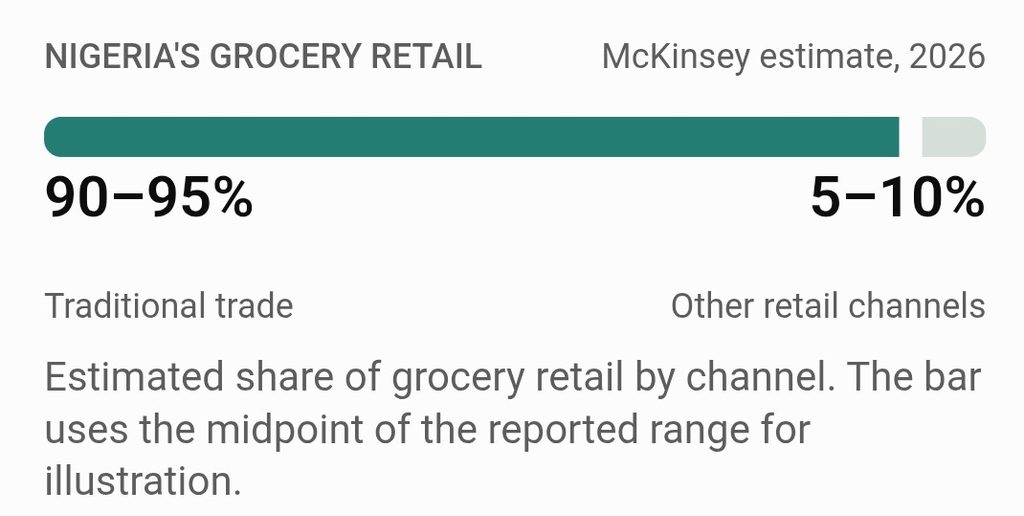
But the burden goes beyond how much households spend. It also extends to how they buy their food. McKinsey’s State of Consumer Africa 2026: Meeting the Pragmatic Shopper estimates that 90% to 95% of grocery retail in Nigeria takes place through traditional trade channels, such as neighbourhood kiosks, open markets and street vendors.

We are excited to share with you
This FREE E-Book of 50 Agritech Pioneers & Their Game Changing Innovations.
Download the Ebook now
There is nothing wrong with buying from these outlets. For many households, however, limited purchasing power means buying food in bits and pieces.
What appears affordable in small purchases can become more expensive than buying the same food in bulk. The option that saves more money often requires more money upfront.
It is this gap that My FoodBank sets out to close.
Why Build My FoodBank?
For Victor Nnachi, the idea behind My FoodBank came from a familiar experience for many Nigerians.
“I started MFB because I grew up in a lower-middle-class home. We bought food in units from retailers.”

Looking back, Nnachi saw that families who could benefit most from savings on food were often the least able to pay for bulk purchases upfront.
The idea behind My FoodBank was to bring bulk purchasing within reach of ordinary households and give them a practical way to plan their food needs ahead and pay towards them. That meant building a platform where buyers and merchants of non-perishable food could meet.
But why does buying in bulk save a household money? The answer is in the economics.
The Economics of Bulk Purchasing
The more you buy at once, the less you often pay per unit. That’s the economic advantage of bulk purchasing. A bag of rice, for example, may cost less than buying the same quantity in cups over several weeks. Fewer market trips can also mean lower transport costs.
A 2025 study published in Global Food Security, which analysed food-price data from more than 100 markets across 27 Nigerian states, found that retail unit prices were higher than wholesale prices on average. This confirms the economic advantage of buying in larger quantities, although the savings vary by commodity and market.
Take a household that spends ₦2,500 on a food item five times a week. That amounts to ₦50,000 over four weeks. If the same quantity costs ₦42,000 when bought in bulk, the household saves ₦8,000, or 16%.
Even then, bulk purchasing is not without costs. For consumers, the advantage lies not simply in buying more, but in paying less for the same quantity of food after these costs are considered.
One-Stop Shop: My FoodBank’s Model
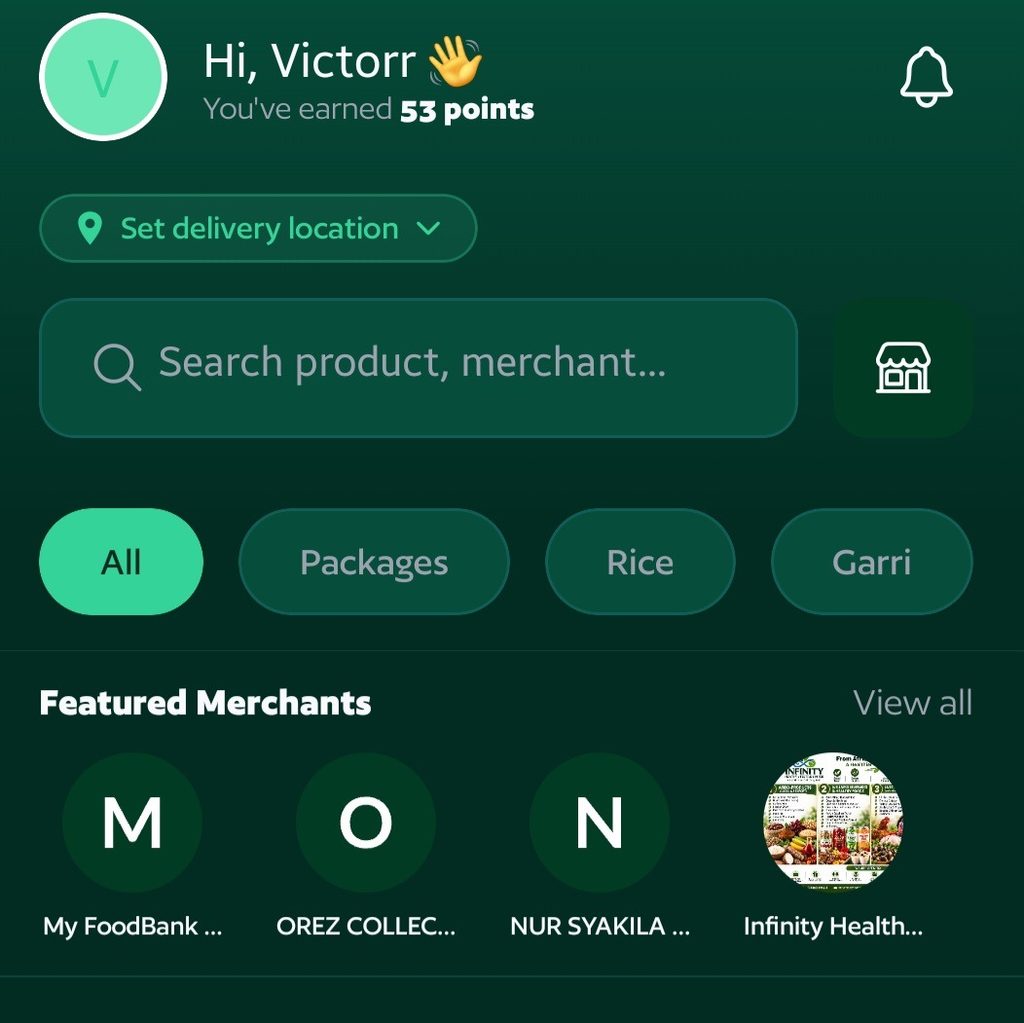
At the centre of My FoodBank’s model is a digital marketplace that brings food merchants and buyers together.
Buying food in bulk often means moving between several markets and vendors, each with its own prices, stock and delivery terms. My FoodBank (MFB) brings that process into one place.
How it works
- One marketplace. MFB aggregates supply from multiple merchants into a single catalogue.
- Standardised pricing. Buyers can see consistent prices instead of negotiating market by market.
- Digital payment. Customers pay through the platform rather than relying on cash transactions.
How merchants are vetted
According to Nnachi, My FoodBank assesses merchants based on:
- Product availability
- Pricing
- Reliability
- Business legitimacy
- Ability to meet its quality and fulfilment standards
Who it serves:
| Buyer | How MFB helps |
| Households | Bulk pricing, instalment saving and monthly doorstep delivery |
| Businesses | Food benefits for staff, paid for and delivered through one platform |
Current Stage and Milestones
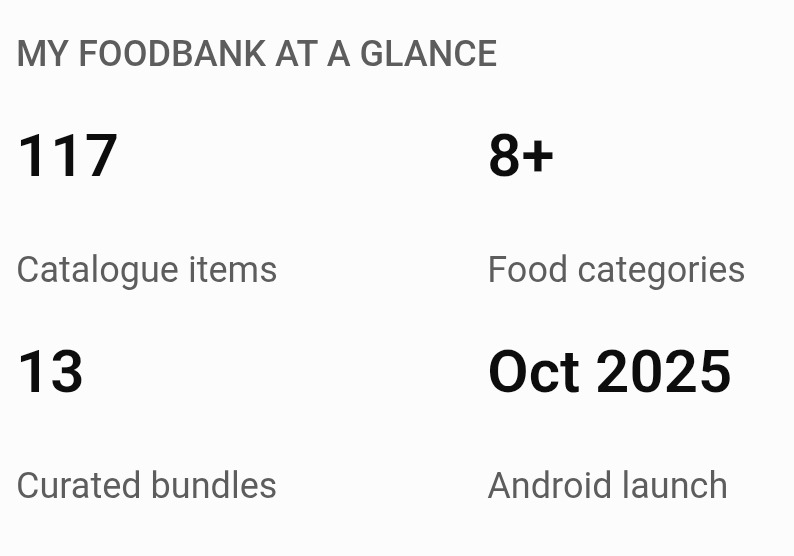
MFB aggregates supply from vetted merchants into a single digital catalogue. It currently lists 117 items across more than eight categories, including 13 curated bundles. This gives buyers a way to source food in bulk without visiting multiple markets and vendors individually.
Orders are paid for through an in-app wallet, with escrow via Paystack, and delivered by zone through Bolt Nigeria.
Earning Consumers’ Trust
For a platform built around food access, affordability alone is not enough. Consumers must also have confidence that what they order is what arrives at their doorstep, both in quality and quantity.
“We focus on transparent pricing, clearly defined food packages, reliable fulfilment and responsive customer support,” Nnachi explains. He adds that My FoodBank maintains direct communication with customers throughout the ordering and delivery process.
To uphold these standards, the company works with selected merchants, communicates package contents and prices upfront, and monitors deliveries to ensure customers receive what they ordered.
And when things go wrong? According to Nnachi, customers can report complaints through the company’s support channels. Each case is reviewed against the transaction and fulfilment records before a resolution is reached, which may include a refund or replacement where appropriate.
After all, making food purchases easier is one thing. Earning the confidence of consumers’ to return is another.
The Journey towards Better Food Access
For My FoodBank, Lagos is just the starting point. The company intends to deepen its presence in the city before taking its model to other parts of Nigeria and eventually the wider African market.
The road ahead is as much about reaching more consumers as it is about making each purchase count. More merchants, better prices and dependable deliveries will determine how far the model can go.
For a company born out of the experience of buying food in bits and pieces, the ambition is to further make bulk purchasing less of a financial hurdle and more of an everyday option for the people who need its savings most.