
Lilac Agriculture has raised an oversubscribed $2.3 million seed round to shine a light on the black box of rhizobial inoculants with next-gen products that can help growers improve yields in a wide variety of soils.
The round—led by Innova and supported by 701 Fund, Ag Ventures Alliance, Evergreen Climate Innovations, North Dakota Development Fund, Pathway Ventures, Tall Grass Ventures and others—will advance a platform built to optimize two traits at once: nitrogen-fixing efficiency and competitiveness.
Why it matters
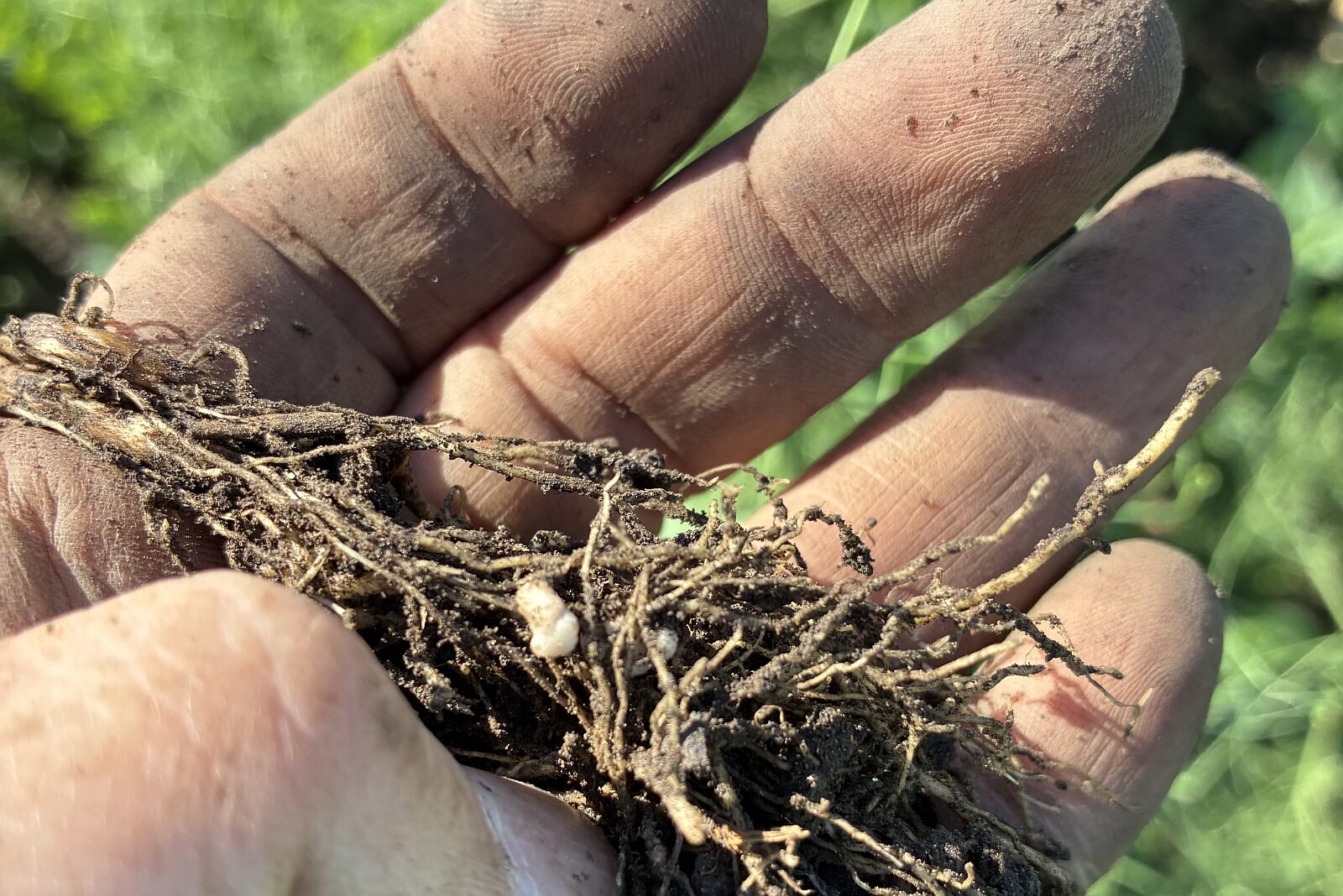
Inoculating pulse crops with rhizobia is standard practice across major growing regions. The bacteria colonize plant roots and form nodules, where they fix atmospheric nitrogen into a form the plant can use.
The problem, says Lilac CEO Natalie DiNicola, is that native soil bacteria frequently outcompete the inoculant, leaving growers paying for something that may not be achieving anything. Put another way, it doesn’t matter how good inoculants are at fixing nitrogen if they don’t have a decent shot at colonizing the target crop.
Lilac Agriculture—founded in 2024 by North Dakota State University (NDSU) assistant professor Dr. Barney Geddes, agtech veterans Matt Crisp and Tom Snipes, and NDSU biotechnology graduate Wyatt Warkenthien—is on a mission to change that.
“He felt like inoculants were sort of a black box; there wasn’t a lot of transparency about what you were actually buying and if it was working,” says DiNicola. “He would dig up the roots, plate out the nodules, and the bacteria in the nodule was not the bacteria that was in the commercial product farmers had purchased.”
Lilac’s platform starts by screening the diversity already present in NDSU’s collection, looking for nitrogen fixation and competitiveness.
Nitrogen-fixing performance can be screened under controlled conditions in which nitrogen is limiting. Competitiveness is assessed using molecular markers that enable the team to determine which strains have penetrated roots and ultimately occupied nodules.
“Having grown up as a farmer, the black-box claims in this category always frustrated me – you put an inoculant in the ground and just have to trust that it works. As a scientist, I want to fix that. There’s a huge amount of untapped variation in rhizobial bacteria that’s gone largely unexplored since most commercial strains were selected decades ago. Adapting strains to the crop and soil they’ll actually encounter, and measuring nodulation that happens in the field, is how we aim to deliver the efficacy and consistency growers are asking for.” Barney Geddes, PhD, CSO, Lilac Agriculture
Selecting first, then evolving
The firm’s first commercial strain, PL11, emerged from the first stage of Lilac’s platform: selecting the strongest naturally occurring strain from a broader pool. In the second phase, which deploys “guided evolution,” Lilac applies selection pressures in the lab, takes advantage of microbes’ rapid reproduction rates, and repeatedly selects better-performing organisms.
“The great thing about microbes is that they multiply really fast, so you can iterate and test very quickly,” says DiNicola.
For nitrogen fixation, for example, strains can be placed in nitrogen-deficient conditions and the strongest performers selected over successive cycles. The same broad approach could ultimately be applied to traits such as competitiveness or drought tolerance.
In effect, Lilac Agriculture is applying a plant-breeding philosophy to microbes, an approach that has not historically been applied to the inoculant business, says DiNicola.
Legacy suppliers, she says, have made significant advances in areas such as formulation and shelf-life, but less work has been devoted to improving the underlying biology of strains, many of which originate from older culture collections.
“Most products use rhizobium strains identified decades ago from a USDA collection. There’s a lot of diversity within these microbes that essentially hasn’t been fully tapped the same way that we tapped, the genomic differences in seeds, for example.”
Gene editing further down the roadmap
A third phase could involve gene editing, although DiNicola stresses that microbial gene editing is challenging and that the company needs to better understand which genetic changes are associated with desirable phenotypes. It is now rapidly generating this kind of data through its screening and guided evolution work.
For now, however, PL11 is a naturally selected strain rather than an evolved or gene-edited organism.
6% yield lift over commercial inoculant in early trials
Ultimately, the test is whether better nodule occupancy translates into additional yield, which Lilac has already shown, claims DiNicola.
Field trials conducted across multiple sites and soil types have shown an aggregate 11% yield increase with PL11 compared with no inoculant and a 6% increase versus an existing commercial inoculant, she says.
While it is notoriously hard to attribute gains to a single intervention given the multiplicity of factors that can impact yield, Lilac can at least provide growers with transparency they have not enjoyed before, she observes. For a start, she says, “We’re actually checking that our product is in the nodules of the plant.”
‘Almost like they have to buy it as insurance’
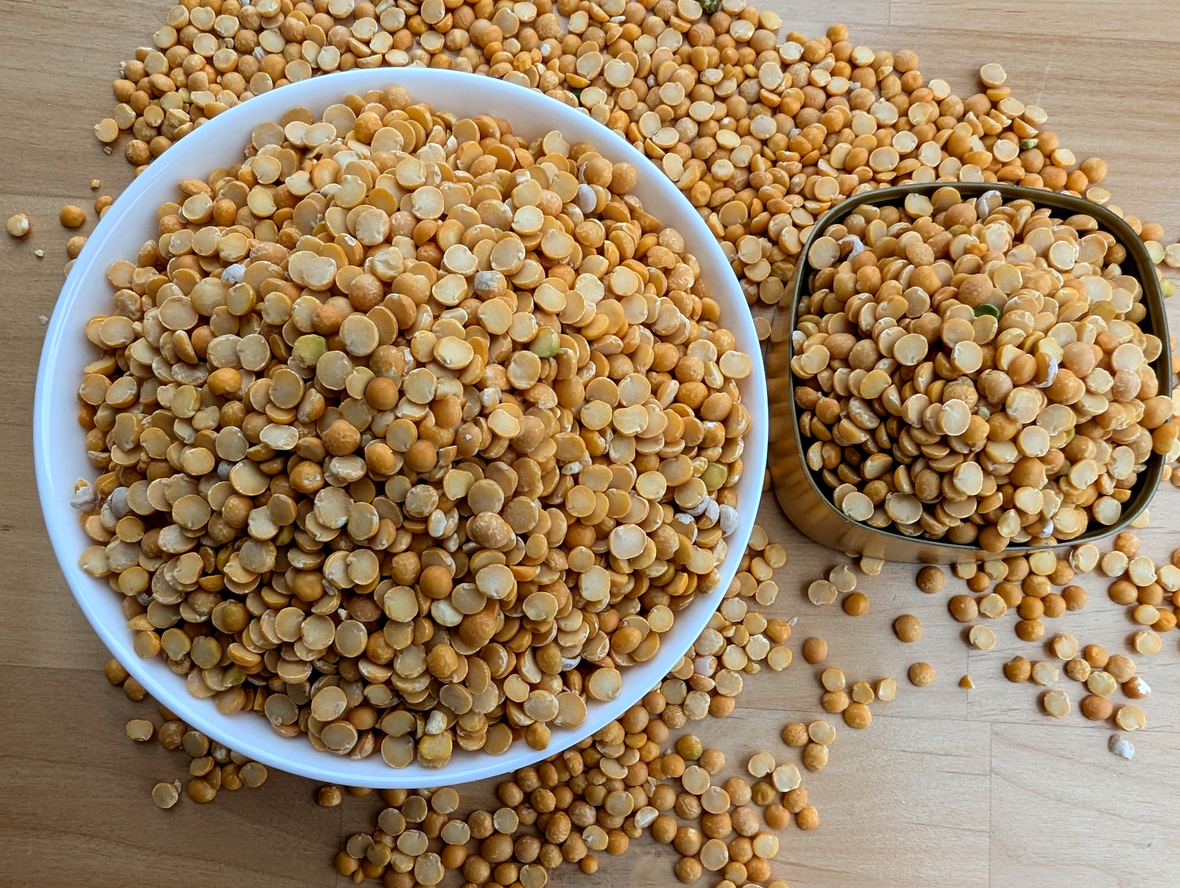
Lilac Agriculture is initially targeting pulse growers in the Northern Plains, 90% of whom DiNicola estimates use inoculants.
Grower conversations suggest many see inoculation as important but lack visibility into the return they are getting, she adds. “It’s almost like they have to buy it as an insurance.”
Lilac’s first product—a shelf-stable powder with a six-month shelf life that can be applied using standard equipment—is priced competitively, she says. “We’re taking something they’re already using and making it better within that same price range, so they’re getting they’re getting more upside opportunity without additional risk.”
PL11 was sold commercially on a small number of acres of peas and lentils this year, generating initial revenues. Lilac plans to expand pea and lentil acreage next season and introduce a dry bean product.
The company is also preparing for registration in Canada, one of the world’s largest pea and lentil markets.
From pulses to row crops
Longer term, Lilac sees the platform extending beyond peas, lentils and beans.
Soybeans offer a relatively straightforward next opportunity because they naturally form nitrogen-fixing nodules with bacteria, she says.
Cereals such as corn do not have the same symbiotic relationship with microbes that naturally colonize plant roots and form nodules, acknowledges DiNicola. However, Lilac’s platform remains applicable. “We’re absolutely intending to move into row crops.”
$5m total capital target to profitability
The new financing round comes amid a tough funding environment for agrifoodtech startups, but Lilac’s relatively capital-light model helped attract investors, she says. The firm had originally targeted $1.5 million but ultimately increased the round to $2.3 million following investor interest.
Lilac is operating with a target of reaching profitability with around $5 million in total capital, adds DiNicola, who has more than 20 years’ experience in the agrifood industry, including senior roles at Monsanto and Benson Hill.
“I’m a scientist by training, and I love really complex, hairy science. But in this environment, what we need is a very practical approach. We’re layering advanced technology on top of something farmers already use and getting into the market quickly.”
The new funding will support expanded field trials, further development of Lilac’s R&D platform, wider commercialization of PL11 and preparations to enter Canada.
Further reading:
Can microbes supply half a crop’s nitrogen? Pivot Bio thinks so
Switch Bioworks tests ‘switchable’ nitrogen-fixing microbes in corn for fertilizer
Mafix raises $5.4m to activate silicate rock into climate-smart fertilizer
Stenon bags $20.5m to combat fertilizer price hikes with better nitrogen management