Japanese retailer Aeon is expanding its cocoa-free chocolate lineup with the launch of three products that use a carob- and pea-based alternative developed by Fuji Oil.
After debuting its cocoa-free chocolate range across thousands of stores last year, Japanese retail giant Aeon is doubling down on these innovations.
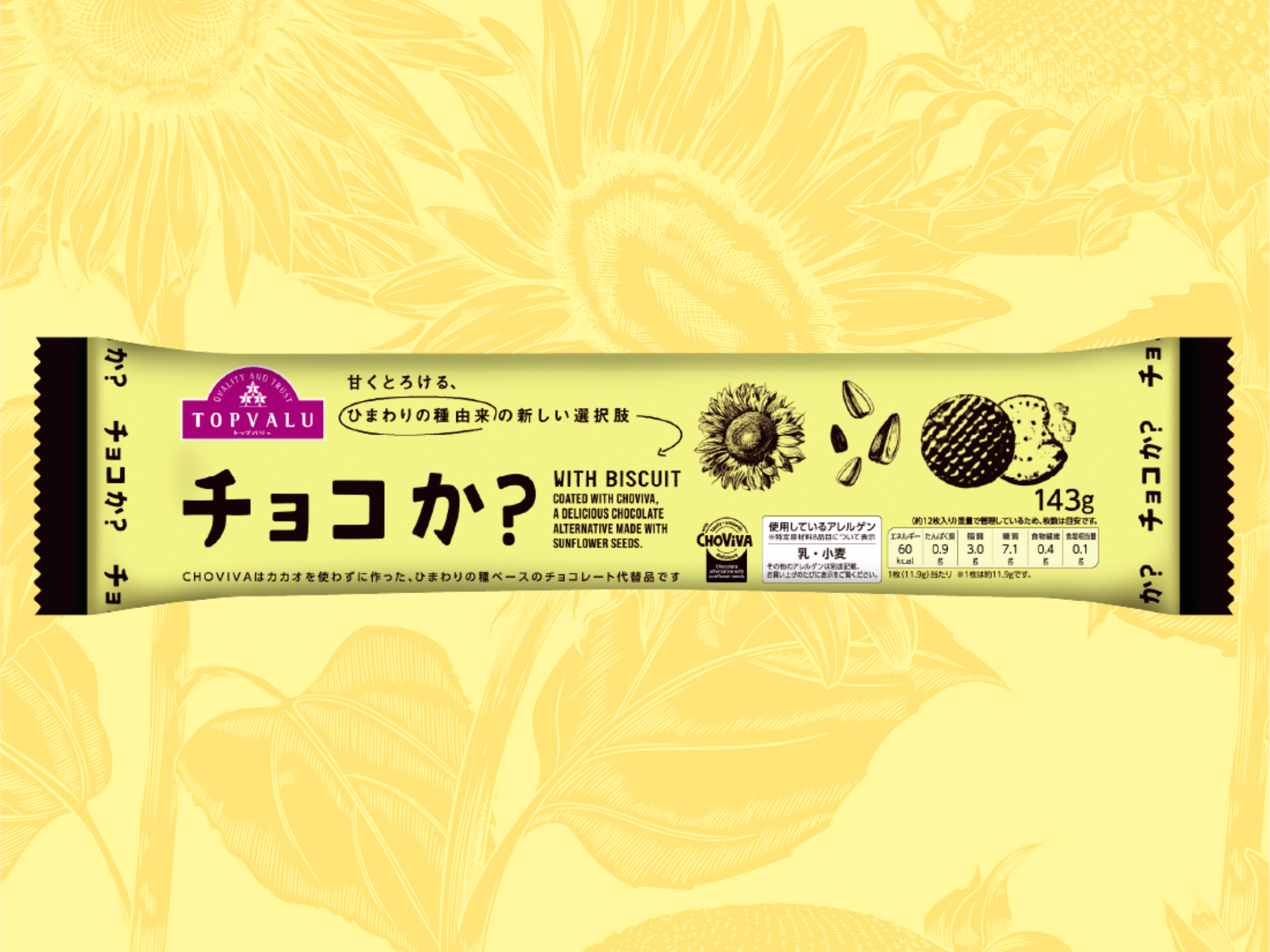
The company released its Choco Ka? (which translates to “Is It Chocolate?”) line under its own-label Topvalu brand last year, making use of the sunflower-seed-based ChoViva ingredient developed by German cocoa-free chocolate maker Planet A Foods.
Now, Aeon is expanding its cocoa-free portfolio through a partnership with Fuji Oil, which will supply its pea- and carob-derived Anoza M alternative as a base for three new Topvalu innovations.
The new products are primed for an even bigger launch, with the retailer rolling them out at around 3,500 Aeon, Aeon Style, and MaxValu stores.
Aeon leverages multiple partnerships for cocoa-free range
Fuji Oil has a long history in the alternative chocolate space. It developed Japan’s first cocoa butter replacement back in 1955, using palm kernel oil for its Melano Butter innovation.
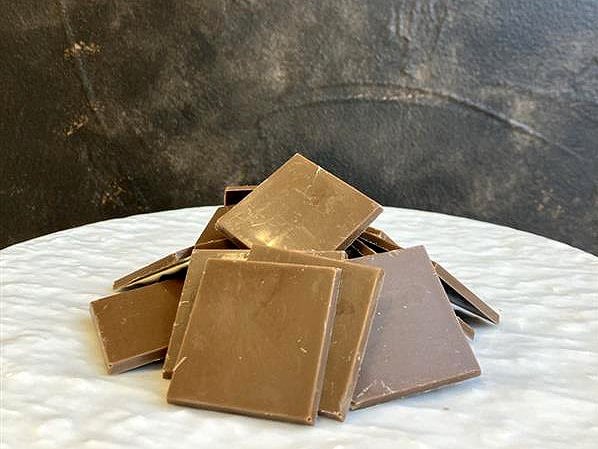
Last year, it unveiled Anoza M, a chocolate substitute made from pea protein, carob (also called locust bean), and chocolate-grade fats. It’s described as a milk-chocolate-flavoured ingredient and made exclusively for B2B use.
The peas are said to add richness and smoothness to the texture, while the carob provides a cocoa-like aroma and fermented notes to replicate the flavour of chocolate. The latter is a Mediterranean ingredient used in alternative chocolate products for decades.
Aeon is launching three products with Anoza M. The first is a pistachio snack bar that is hardened with a white-chocolate-like coating and then covered with a milk-chocolate-like coating to deliver a crunchy texture.
The second is a range of caramelised almond balls coated with the cocoa-free chocolate, which deliver moderate sweetness that enhances the nuts’ flavour and offer a crisp texture. Finally, the retailer has introduced bites made with molasses-soaked dried cranberries and feuilletine, again delivering crunch, but with a fruity, tart flavour that pairs well with the chocolate alternative.
Alongside the new launches, the four-strong range of ChoViva-powered Choco Ka? products will remain available. These include a chocolate-coated wheat and oat biscuit, and three cocoa-free blocks in plain, hazelnut and cereal puff variants.
Chocolate makers get in on alternatives
Aeon’s cocoa-free focus comes as the chocolate industry gets pummelled by climate change. Cocoa stocks fell to their lowest levels in a decade in 2024 and prices rose to all-time highs. Extreme weather and crop diseases have hit plantations hardest in the Ivory Coast and Ghana, the two largest producers of the crop.
Scientists warn that a third of the world’s cocoa trees could die out by 2050. Plus, producing chocolate emits more greenhouse gases than any other food except beef, and the industry is linked to widespread tropical deforestation. Foreverland’s alternatives lower water consumption by 90% and emissions by 82-91% compared to conventional chocolate.
That has popularised many startups that are working on alternative chocolate. Aside from Planet A Foods, Voyage Foods, Foreverland Nukoko, Prefer, and Win-Win are making cocoa-free chocolate products, while California Cultured, Kokomodo, and Celleste Bio are focused on cell-cultured versions.
These companies have been attracting increasing attention from Big Chocolate, with the likes of Cargill, Puratos, Mondelēz International and Döhler all investing in these players.
Within Japan, chocolate major Meiji is co-developing cell-based chocolate products as part of a decade-long partnership with California Cultured, which employs plant cell culture to make bioidentical cocoa. And food producer Ahjikan has been selling Govoce, which uses a sweet ingredient called MelBurd, replacing cocoa with burdock seeds.