The European Parliament is set to vote on a proposal to extend the ban on plant-based meat labels to terms like ‘burger’ and ‘nuggets’, which were previously exempted from the legislation.
The EU is at it again.
Months after imposing restrictions on the use of 31 meat-related terms on plant-based product labels, European lawmakers are now looking to add more words to the banned list.
The trilogue negotiations between the European Parliament, Council and Commission in February spared terms such as ‘burger’, ‘sausage’, ‘nuggets’, and ‘ham’. But now, members from the European People’s Party, Patriots for Europe and the European Conservatives and Reformists Group have signed proposed amendments to the Common Market Organisation (CMO) regulation to extend the ban to these words.
Even terms previously not discussed, like ‘meatballs’, ‘rabbit’, and ‘black and white blood sausage’, are facing the chop. And while the current legislation concerns plant-based and cultivated proteins, the proposed changes would also see the restrictions applied to blended meat products (which combine animal and alternative proteins).
The EU Parliament’s agriculture committee is set to discuss the proposal next week (September 2), which will be followed by technical meetings and a vote scheduled for December. The plenary vote will take place in 2027.
There’s already strong opposition to the amendments from politicians, food manufacturers, and trade associations. The Progressive Alliance of Socialists and Democrats, Greens-European Free Alliance, and The Left have proposed either deleting the blacklist entirely, or easing its implementation on a technical level.
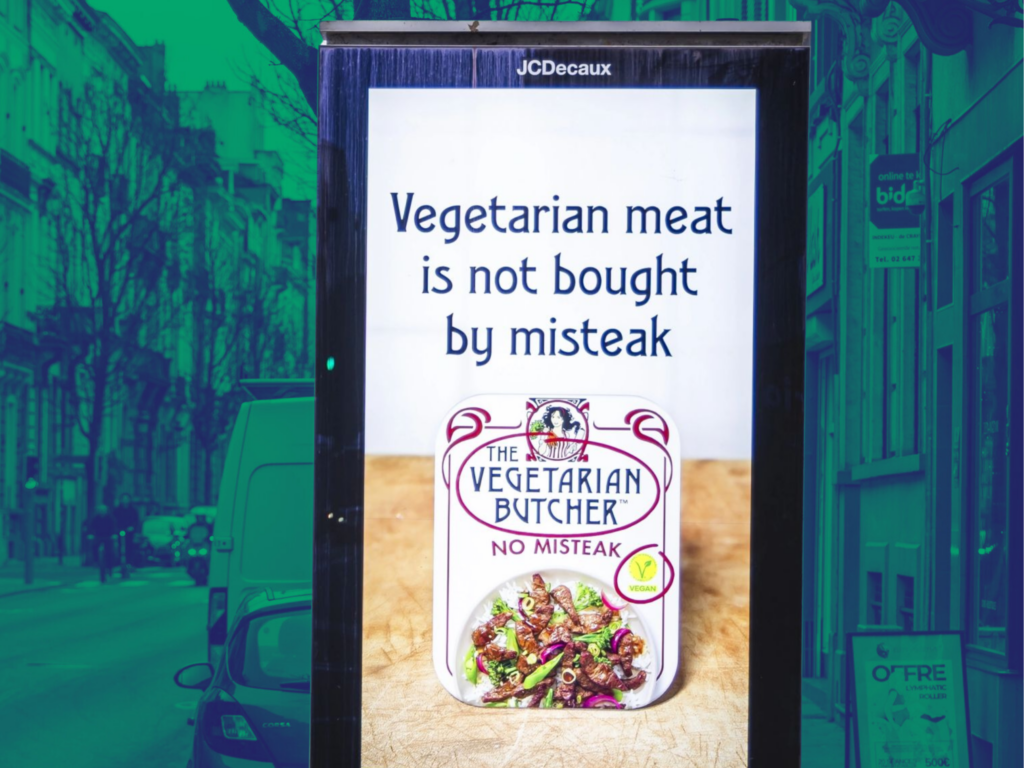
The Vegetarian Butcher, the plant-based brand owned by the world’s largest meat producer, JBS, has been a staunch critic of the ban for years. “Is this for real? Are they going ham?” it said in a LinkedIn post. “Our message is clear: consumers are not confused. Terms like this make it clear what to expect in terms of taste, texture or preparation.”
The NoConfusion Coalition, which represents over 600 companies, retailers, investors, consumer and environmental organisations across 22 EU countries, has been leading the charge with an open letter calling for an end to the effort. It also has a citizens’ petition with over 71,000 signatures.
The European Alliance for Plant-Based Foods (EAPF) has also rejected the proposal. “It is simply unbelievable how some MEPs are making this useless debate a political priority when European farmers are struggling, due to an historic drought and heatwave,” its secretary-general, Thomas Schobesberger, stated.
EPP president asked to reject extension
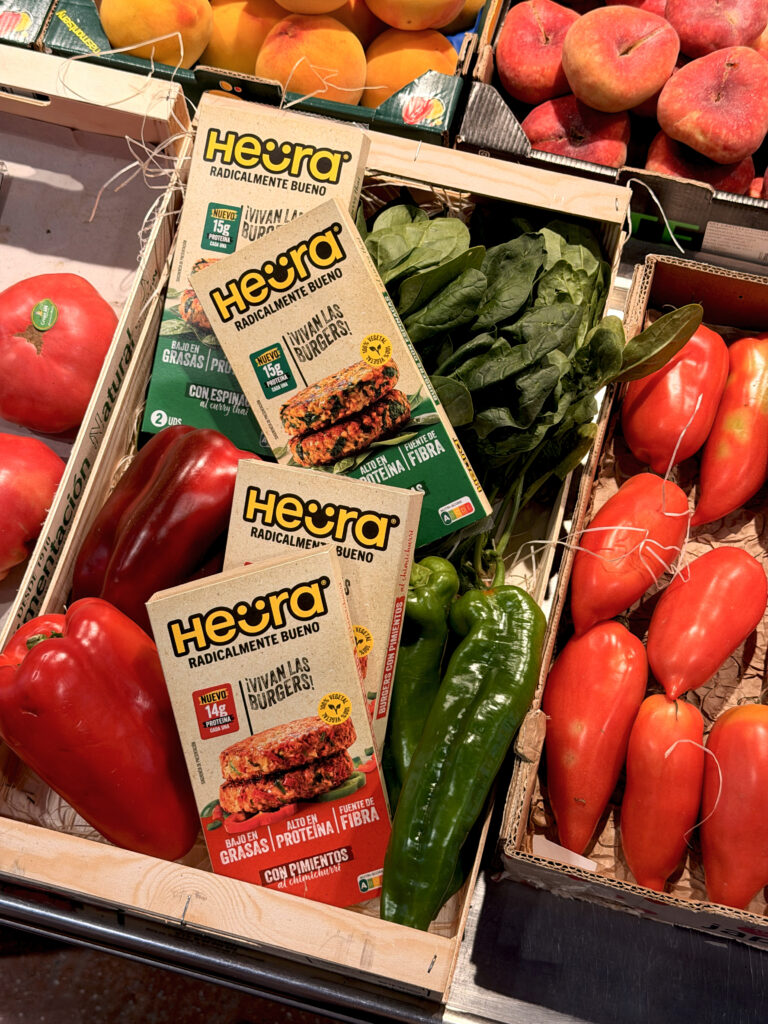
Discussions about a ban on plant-based meat labels have floated around the EU for a decade now. In 2020, the EU Parliament voted against a similar proposal, enabling companies like Beyond Meat and La Vie to continue marketing their products as burgers, nuggets and more.
Things changed last year, however, during a review of the CMO regulation in July, when French lawmaker and EPP member Céline Imart reintroduced the proposal to ban the use of meat-like terms on these products.
In September, the EU Parliament’s 49-member agriculture committee voted to move ahead with the ban, a decision replicated by MEPs in a plenary session with a 355–247 vote a month later.
That moved the proposal forward to be discussed in the interinstitutional negotiations under Denmark’s presidency of the EU Council in December. But policymakers failed to reach an agreement on the ban then, instead pushing the decision to 2026, when Cyprus assumed the presidency.
In the trilogue negotiations this year, policymakers finally agreed to a restriction on many such words, giving companies three years to exhaust stock and align with the new regulations. This would also have a knock-on effect in the UK, thanks to a recently signed trade agreement.
But Imart, a cereal farmer with close links to the French farming lobby, did not seem satisfied with the exclusion of terms like ‘burger’ and ‘nuggets’, prompting her to push the new amendments.
According to the NoConfusion Coalition’s open letter to EPP chief Manfred Weber, Imart “has been clear” that she regards these omissions as “unfinished business”.
The letter calls on Weber to clearly state that the EPP will not support the extension of the ban in this or any near-term CMO revision, and that he will advise EPP negotiators and members to resist reopening the question and instead redirect efforts to the “competitiveness, simplification and food sovereignty agenda” the party and EU Commission have championed.
Weber, for his part, has criticised the ban as unnecessary. “People are not stupid, consumers are not stupid when they go to the supermarket and buy their products,” he said last year.
Plant-based labelling ban fragments single market
The ban’s proponents say such terms can cause confusion among consumers, a theory that has been disproved time and again. In a large poll by the European Consumer Organisation in 2020, 80% of people said plant-based meat should be allowed to use such terms. In the 2023 Smart Protein survey, only 9% of citizens from nine member states said they didn’t recognise plant-based meat alternatives.
More recently, in a 20,000-person poll, 96% of Dutch consumers said a veggie sausage is, well, a veggie sausage. Nearly 70% opposed a labelling ban, and 63% didn’t think it was important to create regulations on this matter.
The NoConfusion Coalition said it was particularly concerned about the wording of the new proposals, which says the list of banned terms “does not affect the ability of member states to maintain or introduce additional national protective measures for other meat-related designations, in accordance with Union law”.
This would give all 27 EU members the authority to decide what plant-based products can be called, which could fragment the single market. For instance, vegan sausage sold under that name in Germany could be relabelled, reformulated or even removed from shelves in France.
“That is having 27 different rulebooks for the same product, and it is exactly the kind of regulatory chaos that the EU claims to be trying to avoid. The European Court of Justice, in a 2024 ruling, had already warned about the possibility of market fragmentation with such bans,” the coalition noted.
The timing of the amendment has also been called into question, coming after a searing summer where farmers battled severe drought conditions. “Farmers have spent the whole summer combating drought, failing yields and mounting input costs,” noted Maria Laura Helguero, EU policy lead for WePlanet, which coordinates the NoConfusion Coalition.
“What they need from Brussels right now is support to adapt, improved water management, resilient crop varieties, income stability and effective crisis tools. Instead, MEPs are once again expending political resources on re-fighting a settled labelling dispute that does nothing to help farmers through a period of crisis.”
The EAPF’s Schobesberger said the amendment also undermines the EU Parliament’s authority: “If Europe’s only directly elected institution repeatedly reopens agreements until the result favours particular interests of the meat lobby, it cannot expect to be taken seriously. This weakens its position as a co-legislator on all files and harms the European idea.”
Ban undermines EU’s protein diversification policy
The proposed changes to the CMO regulation are contradictory to the EU’s protein diversification drive. The EU Commission last month released a Protein Plan that set a framework for scaling up plant protein production to reduce the region’s dependency on imports (although it fails to reference measures to support farmers who want to grow protein-rich crops for humans, instead prioritising their use for livestock feed).
“It is claiming to champion protein diversification with one hand while piling fresh rebranding costs, legal uncertainty and compliance burdens onto the same sector with the other. EU decision-makers should avoid introducing red tape aimed specifically at sustainable protein products, which are intended to support the aims of the Protein Plan,” the NoConfusion Coalition said.
The alliance has made several demands of the EU’s decision-makers, asking them to reject any amendments that extend the ban or introduce restrictions to blended proteins, which would result in them being subject to rules “designed for a completely different category of product”.
They want lawmakers to restore the right of cultivated meat products to market themselves as meat in line with biological definitions, and reject the member state opt-out clause, since that would create legal uncertainty for cross-border trade.
Moreover, legislative attention and resources should be redirected to measures that genuinely help farmers cope with drought, climate volatility and market instability. The EU should also align food labelling policy with the Protein Plan by creating an environment that enables protein diversification across the value chain instead of introducing new red tape.
“This is the third time in six years, and the second time during the current parliamentary term, that the European Parliament will vote on banning the words ‘burger’ and ‘sausage’ for plant-based products,” said Rafael Pinto, senior policy manager at the European Vegetarian Union and spokesperson for the NoConfusion Coalition.
“MEPs have been hard at work during the summer while Europeans were struggling with wildfires, droughts and rising costs of living, to once again bring back this nonsense topic.”