
Revieve has released part two of its The Future Face of Beauty report, revealing that consumers are prioritizing reliability and personalization based on science and data. The report attributes this shift to the increasingly knowledgeable, deliberate, and technology-focused consumer profile emerging in the personal care industry.
The company, which develops AI technology for the personal care industry, highlights how brands are responding to evolving consumer priorities through biotechnology, AI-powered diagnostics, predictive personalization, and region-specific innovation plans.
”Beauty is entering a new era where consumers expect more than efficacy — they expect relevance, transparency, and guidance,” says Irina Mazur, chief commercial and marketing officer at Revieve.
“The future belongs to brands that combine scientific innovation with intelligent personalization to create experiences that are not only highly relevant but also build lasting consumer trust.”
The report is the second installment of the company’s four-part industry report, The Future Face of Beauty: 2030 Beauty Trends – What Evolves, What Endures, What Leads. It brings insights from industry players across North America, Latin America, Europe, and the Asia-Pacific regions.
Drawing from interviews with executives from brands such as Tropic Skincare, Paula’s Choice Taiwan, DR’s Secret, and The Inkey List, the report charts its projections for the next decade in beauty.
Personal Care Insights sits down with Mazur, who tells us how AI-powered diagnostics are significantly raising expectations for personal care suppliers. We discuss which biotechnological innovations can be expected to scale into mainstream beauty, and their barriers to adoption. She also explains how personal care companies can approach regional beauty ecosystems by knowing when to standardize and when to localize.
AI-diagnostics drive beauty innovation
AI is no longer confined to the marketing level of personal care. It is now penetrating the core of operations as brands increasingly employ AI-powered diagnostics down to the product development level.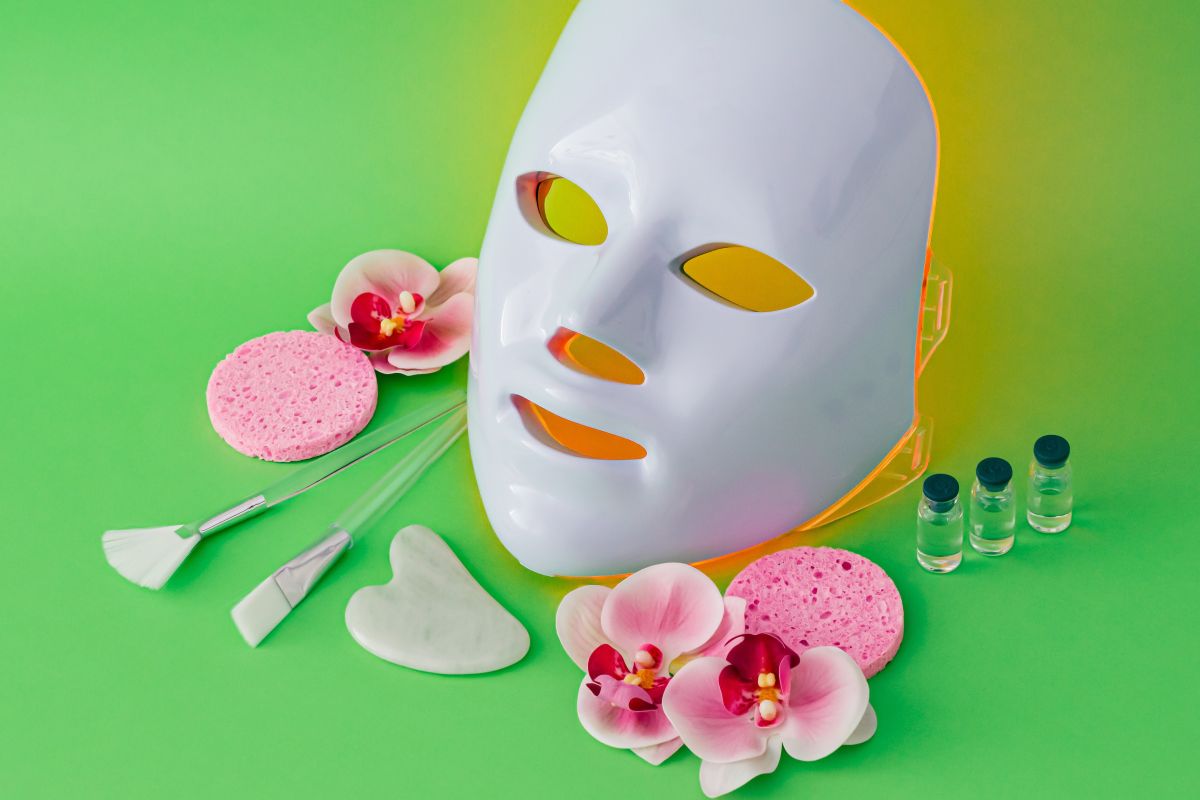
AI diagnostics are shifting beauty from reactive routines to predictive personalization.
A key finding of the report states that diagnostic technology is becoming the launching pad for consumers’ beauty choices. Technologies such as AI skin analysis, virtual try-on, wearable sensors, and biometric technologies are evolving skin care from reactive routines toward predictive diagnostics.
“The report shows diagnostics becoming an ongoing interface between consumers and brands — generating data on skin needs, behavior, and changing conditions that can influence recommendations, product development, and marketing,” Mazur tells us.
She divulges that Tropic, for example, is informing its communications and future product development from over 50,000 skin care quiz results.
“The report also anticipates a move toward real-time and predictive systems that respond to factors such as hydration, pH, pollution, and behavioral signals,” she explains. For personal care suppliers, this personalization shift comes with heightened reliability expectations.
“Brands will increasingly want more than a catalog of ingredients or finished formulations. They will need partners capable of providing strong efficacy evidence, traceability, and consistency, but also ingredients and formulation platforms that can fit into more adaptive, segmented product strategies,” says Mazur.
“In practice, the supplier relationship becomes much more collaborative: diagnostic insights identify emerging consumer needs, while suppliers help translate those signals into formulations that can be developed, validated, and scaled quickly.”
According to Mazur, the bigger shift may lie in innovation cycles as they become increasingly data-led rather than assumption-led. “Suppliers that can connect credible science with flexible formulation capabilities will become much more strategically valuable.”
This move from guesswork to intentionality is echoed in a key finding of the report, which states that consumers are replacing trial-and-error with intentional purchasing. As buyers increasingly look to AI-powered recommendations, information, and personalized suggestions before making purchasing decisions, they are making more pinpointed purchases.
Biotech redefines beauty
The report states that biotechnology is reshaping product development, with developments in microbiome research, lab-grown ingredients, bio-fermentation, regenerative skin care, and AI-powered formulations boosting efficacy and sustainability.
Biotechnology is reshaping beauty through fermentation, lab-grown ingredients, and advanced delivery systems.
According to Mazur, the technologies with the clearest mainstream potential are fermentation and biosynthetic ingredients, lab-grown peptides and amino acids, and advanced encapsulation systems.
“They address needs that extend well beyond premium skin care, including ingredient consistency, potency, precise delivery, and reduced environmental impact,” she says.
“Microbiome-aligned ingredients also have strong potential because they fit the broader shift toward skin health and wellness. More advanced technologies, such as stem-cell derivatives and iPSC-based ingredients, are likely to remain concentrated in premium and regenerative skin care for longer.”
Mazur tells us that the biggest barrier to adoption is turning sophisticated science into scalable, commercial simplicity. “For biotech to become mainstream, brands need cost-effective production, reproducible efficacy, regulatory confidence, ingredient traceability, and a clear consumer story,” she continues.
The technologies most likely to scale are not necessarily the most futuristic, according to Mazur. She believes that the ones that manage to combine performance with production efficiency, scientific backing, and clear communicability are best aligned with growth and endurance.
Regional ecosystems
The report highlights key differences in the way regional beauty ecosystems are evolving. Asia Pacific is spearheading digital innovation and gamified experiences, while Latin America is prioritizing AI-powered health care accessibility. Europe is emphasizing sustainability and information, and the US is focusing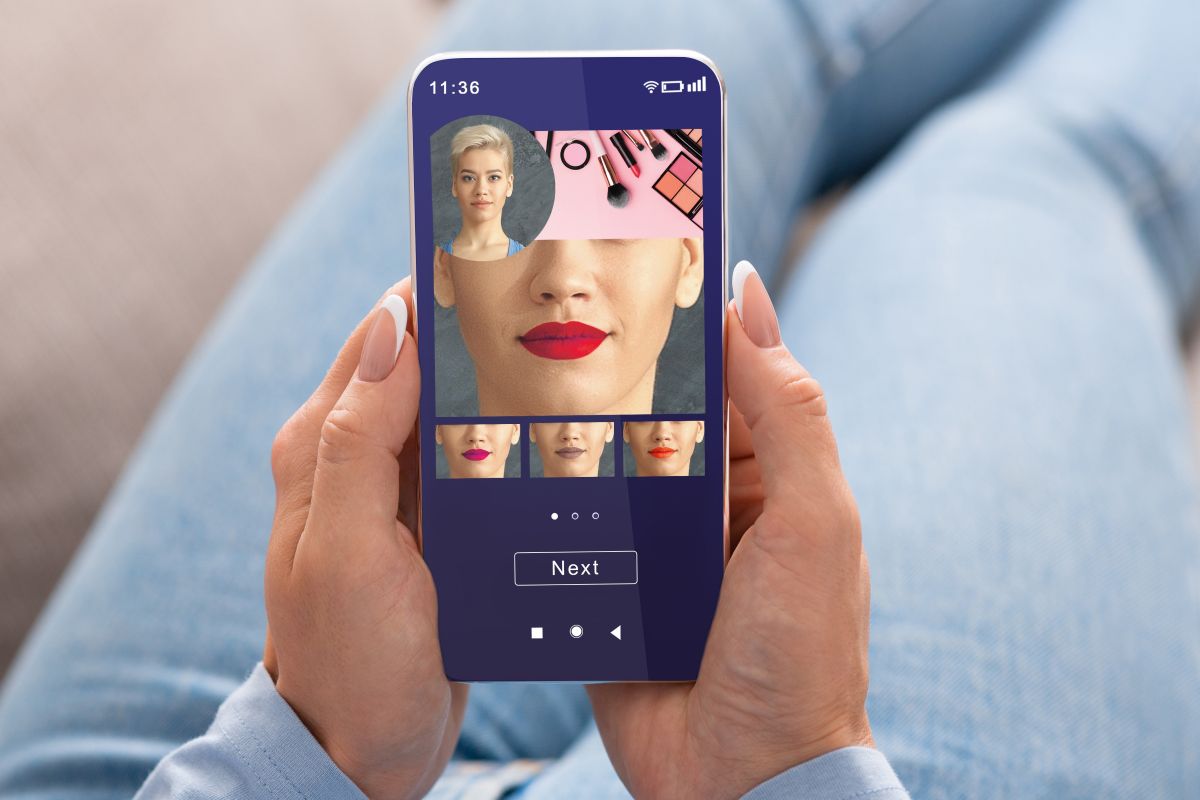
Brands are balancing global science with locally tailored beauty experiences.
on wellness and intentional personalization.
For industry players, adapting to different regions’ demands will come down to standardizing the science, but localizing the expression of it, according to Mazur.
“The common foundation should be the things that build trust everywhere: strong efficacy standards, ingredient quality and traceability, credible diagnostics and personalization capabilities, sustainability principles, and a technology platform flexible enough to work across markets,” she outlines.
“The report’s regional summary makes clear that although execution differs, the underlying direction is shared: customer-centric retail, guided empowerment, stronger relationships, and long-term trust.”
She says that the differentiation should come from how these capabilities are delivered.
“Latin America places greater emphasis on affordability, mobile access, pharmacy integration, and health-connected personalization. Asia Pacific combines advanced technology with strong physical retail experiences, gamification, and human connection.”
Mazur explains that Europe and the UK emphasize ingredient transparency, sustainability, education, and science-backed results. Meanwhile, the US focuses on digital-first wellness, values-driven storytelling, and evidence of performance.
“The right model is therefore not one global solution rolled out identically everywhere. It is one global innovation platform adapted to local behaviors, channels, price expectations, and definitions of trust,” she concludes.