
Global regulatory moves defined the beauty industry last month.
The US Food and Drug Administration (FDA) approved its first sunscreen active ingredient after two decades of inaction. The European Council and European Parliament reached a provisional interinstitutional agreement on the Omnibus VI package.
Additionally, industry experts told us about how the personal care industry might be impacted by the UK’s upcoming rules requiring companies that sell products sourced from rainforests to prove their supply chains are not linked to deforestation. We also spoke to Cruelty Free International about the European Commission’s (EC) new roadmap to phase out animal tests in chemical safety assessments.
Meanwhile, K-beauty and AI continued to proliferate throughout the beauty industry.
South Korea announced plans to actively support its beauty industry as a strategic export growth sector. A data infrastructure platform reported that if beauty brands want to appear in AI searches, they should ensure their product information is clear, consistent, and signals credibility.
IFF secures US$4.3B Food Ingredients sale to sharpen focus on scent and health
IFF sold its Food Ingredients business to CVC Capital Partners for US$4.3 billion to sharpen its focus on scent, health, and biosciences. Over the last several years, IFF has simplified its portfolio. The company said it plans to use the proceeds to reduce debt, strengthen cash flow, and invest in growth. The transaction followed a wider wave of portfolio reshaping across the consumer goods and ingredients sectors, with a trend emerging of focusing on personal care.
South Korea government backs K-beauty as export priority
South Korea’s Minister of Finance announced that the country’s government will actively foster the cosmetics industry as an export growth engine. The move was underscored by Korea’s cosmetics exports hitting US$3.1 billion in Q1 2026, up nearly 20% year-over-year. Simultaneously, K-beauty brands expanded globally, with major growth in the US, Europe, and India. K-beauty exports hit US$3.1 billion in Q1 2026.
Givaudan secures majority stake in Eurofragance to expand in high-performing fine fragrance sector
Givaudan announced it was acquiring a majority stake in Eurofragance. The move is aligned to strengthen Givaudan’s fine fragrance business and deepen its reach in global markets. In line with the Fragrance & Beauty supplier’s 2030 strategy, the partnership is set to fuel innovation and deliver consumer-relevant fragrance experiences. Eurofragance will continue to operate as an independent brand.
US FDA approves first sunscreen ingredient in over two decades
The US FDA approved bemotrizinol, its first new sunscreen active in over two decades. The ingredient’s addition closed a long-standing UVA protection gap, bringing Americans the broad-spectrum coverage already common abroad. The approval capped a 20-year, roughly US$20 million push by dsm-firmenich to bring it to market.
How AI recommends beauty products and what it takes to make the cut
Novi revealed that AI chatbots lean heavily on Reddit, Sephora, and editorial websites when recommending beauty products. The data infrastructure platform suggested that beauty brands implement clear product data and trusted certifications to improve visibility in AI-generated search results. As consumers increasingly use chatbots for product discovery, generative engine optimization is becoming as important as SEO.
Inside LVMH’s beauty shakeup amid luxury slowdown
LVMH seemed to be reshuffling its beauty portfolio as luxury demand cools. It was reported that MarcyPen Capital Partners was pursuing the group’s 50% stake in Fenty Beauty. Meanwhile, L Catterton led a US$20 million funding round for Remedy. We took a look at the strategy behind the group’s potential portfolio exits, growth bets, and new AI investments.
EU locks in US tariffs, but French beauty wants full exemption as losses mount
The European Parliament approved the Turnberry agreement with the US, locking in 15% tariffs on EU beauty exports to the American market. French beauty associations said the duties were already weighing heavily on trade. Since the tariff turbulence last summer, French perfumes and cosmetic exports to the US dropped for the first time since the 2008 financial crisis, excluding the pandemic. French beauty representatives urged negotiators to push for a return to 0% to protect the nation’s cosmetics sector. 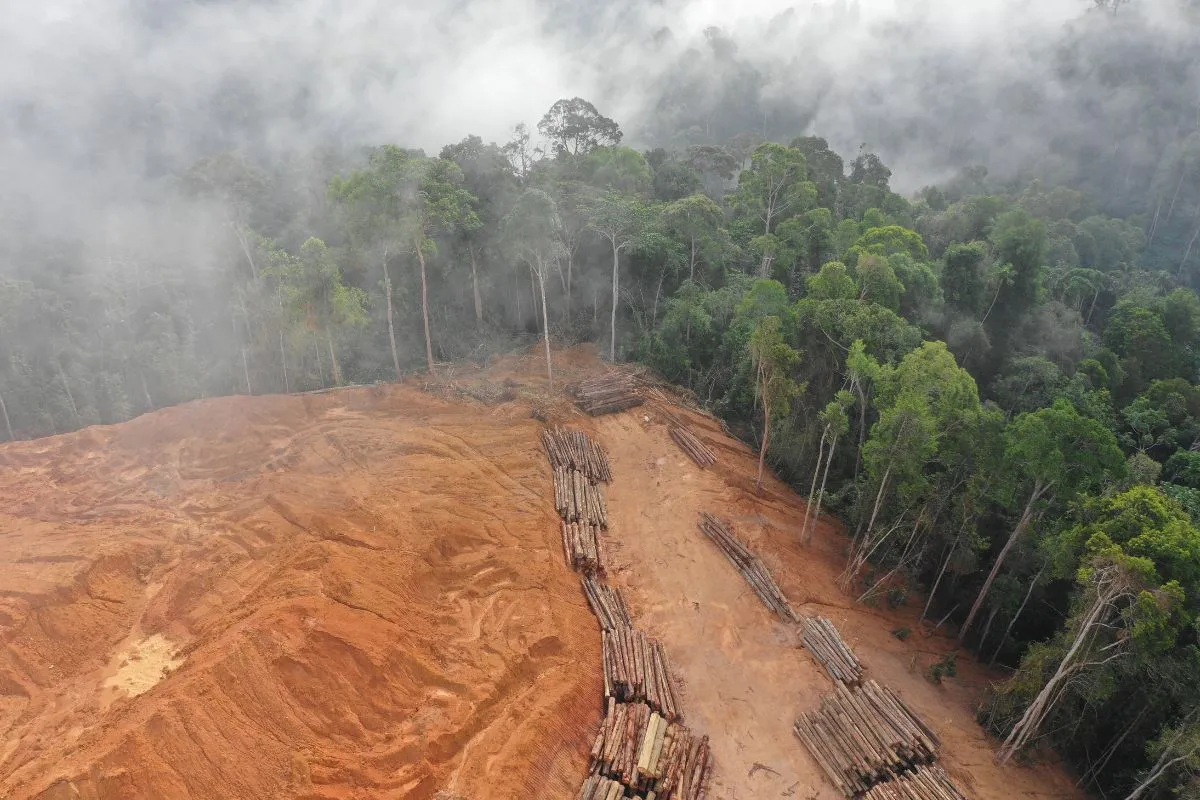 UK rules could require beauty companies to prove deforestation-free sourcing.
EU reaches landmark Omnibus VI deal: Industry welcomes streamlined substance statutes
EU lawmakers reached a provisional Omnibus VI agreement to streamline cosmetics regulation while maintaining consumer safety standards. The deal accelerates phase-out timelines for products containing carcinogenic, mutagenic, and reprotoxic substances. The decision was met with positive response from the industry, with Cosmetics Europe releasing a joint statement with six other European organizations in the cosmetics, fragrance, and essential oils sectors.
Animal rights groups cautiously optimistic on EU roadmap to end “cruel toxicity tests”
The European Commission published its first-ever roadmap to phase out animal testing in EU chemical safety assessments — a pivotal moment for the cosmetics industry’s cruelty-free push. Cruelty Free International told Personal Care Insights it was “very encouraged” by the move, but warned the roadmap leaves open questions on funding and timelines.
UK deforestation rules could expose beauty supply chain blind spots, experts warn
The UK proposed deforestation rules that would require beauty companies to prove their raw materials and derivatives are deforestation-free — but industry voices warned complex supply chains make that tough. We spoke to the British Beauty Council, the CTPA, and WWF about what lies ahead. They said alignment with the EU Deforestation Regulation and point-of-entry checks could ease burdens, but legal loopholes could leave unsustainable sourcing unaddressed.
K-beauty exports hit US$3.1 billion in Q1 2026. K-beauty exports hit US$3.1 billion in Q1 2026. K-beauty exports hit US$3.1 billion in Q1 2026. UK rules could require beauty companies to prove deforestation-free sourcing. UK rules could require beauty companies to prove deforestation-free sourcing. UK rules could require beauty companies to prove deforestation-free sourcing.