Dutch fermentation startup The Protein Brewery’s Fermotein ingredient has become the first whole-food mycelium protein to receive novel food approval in the EU.
The EU has just granted its first approval for a novel mycelium ingredient, marking a major milestone for the alternative protein sector.
Dutch firm The Protein Brewery has secured novel food authorisation for Fermotein, a whole-cell bioproduct made from microbial fermentation, six years after it first filed for approval.
All 27 member states of the EU voted to adopt the implementing regulation to place the mycelium protein on the market as a novel food, with the European Commission amending this regulation to include the ingredient in the list of authorised novel foods.
The implementing regulation will be translated into all EU languages and published in the EU’s official journal in the coming weeks. It will enter into force 20 days after that date, when The Protein Brewery will be authorised to place Fermotein on the region’s market. It plans to launch the ingredient in Q3 2026.
The decision follows a positive vote from the Standing Committee on Plants, Animals, Food and Feed last month, and a positive scientific opinion from the European Food Safety Authority (EFSA) in December 2025.
“We are pleased with the way we worked with the European Commission. They were very open to host us in Brussels for a transparent conversation, and to discuss important points in the draft regulation together,” said Yvonne Dommels, director of nutrition and regulatory affairs at The Protein Brewery. “That openness is exactly what European food innovators need.”
EU approval sets precedent for mycelium protein
The Protein Brewery, formed as a demerger from industrial biotech company BioscienZ BV in 2020, converts low-nutrient crops into low-carbon, nutritionally powerful products. Fermotein is its first innovation.
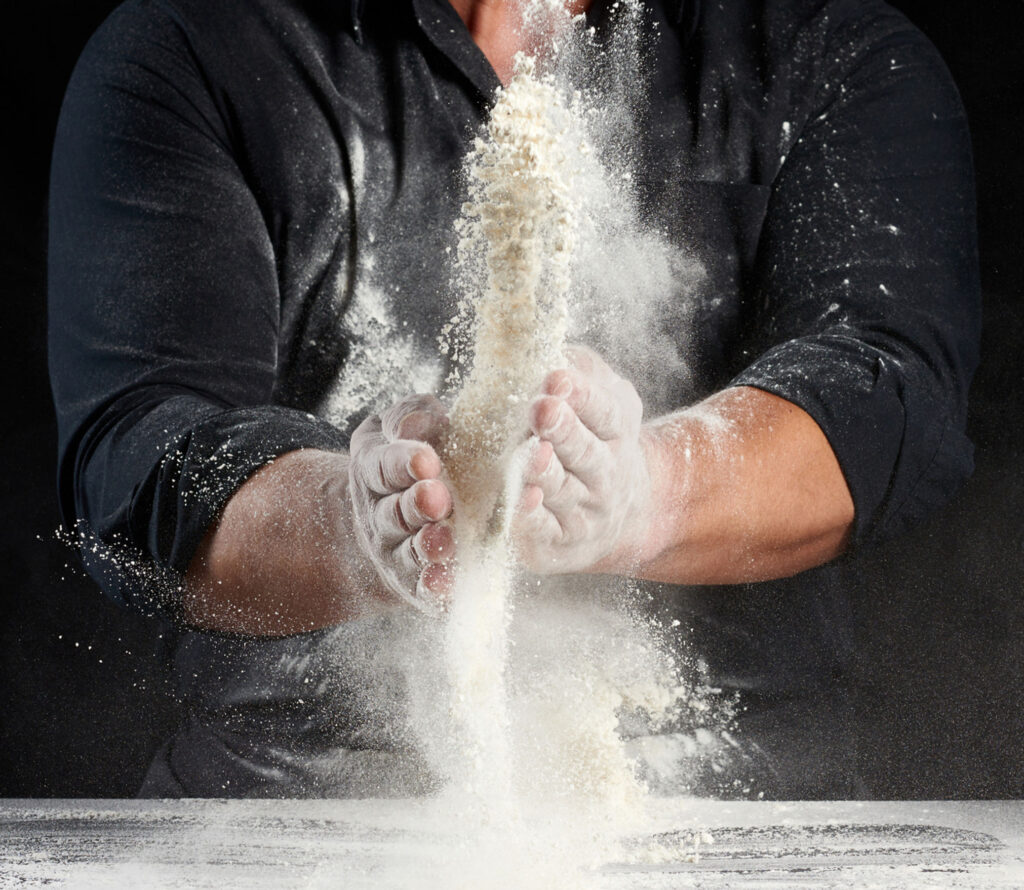
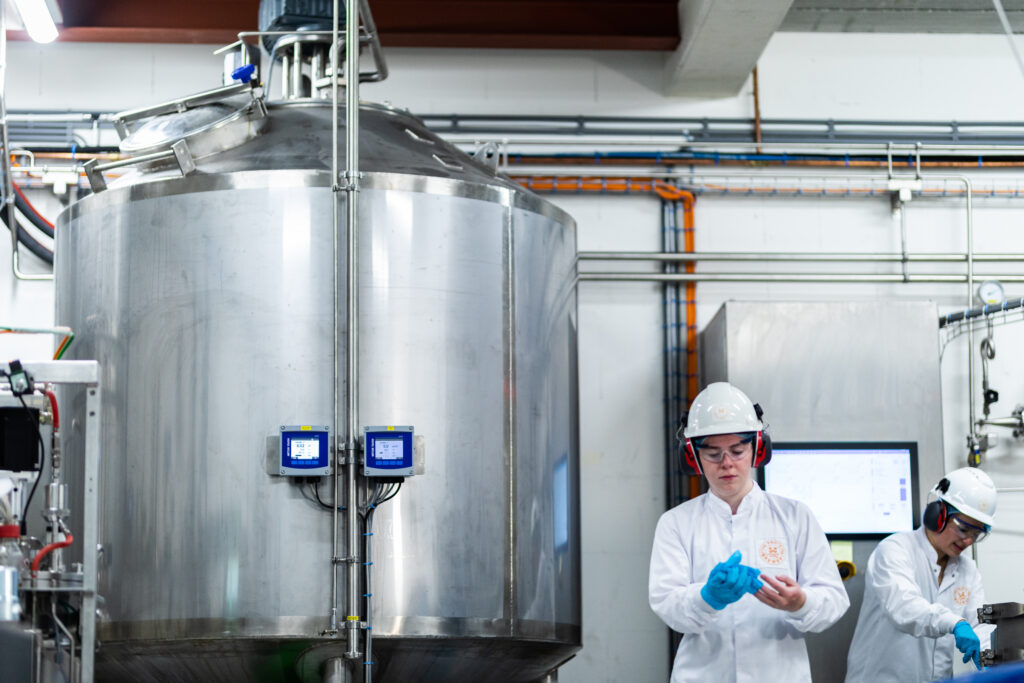
It’s a whole-cell bioproduct derived from Rhizomucor pusillus, an extremophilic fungal strain that can deal with low pH levels and high temperatures. The startup grows it in fermentation tanks using glucose as a feedstock, pasteurises and dries it, and then mills it into powder.
The resulting mycoprotein yields 26 times more protein than meat, five times more than soy, and four times more than peas. And when compared to beef, Fermotein uses just 1% of the land, consumes 5% of the water and releases 3% of the emissions.
Half of the ingredients are complete proteins with a PDCAAS score of 1, which help maintain muscle mass. Another 30% is comprised of dietary fibre, while it also contains naturally occurring micronutrients and bioactives.
One of these bioactives is spermidine, a longevity-linked polyamine vital for cell growth and regeneration, immune regulation, DNA stability, and more. It’s an increasingly popular component for anti-ageing supplements, and human studies and mechanistic research have associated it with cellular maintenance pathways like autophagy.
The EU approval sets a precedent, confirming that whole-food mycelium ingredients can be assessed and approved within the existing regulatory system, according to The Protein Brewery.
The startup said the EU’s decision to designate the ingredient as ‘Rhizomucor pusillus mycelium’, instead of the original ‘Rhizomucor pusillus fungus biomass powder’ term, reflects “what the ingredient is at the level of food identity” and gives companies and consumers clear and accurate language to describe it.
Under the implementing regulation, The Protein Brewery holds exclusive rights to the scientific studies and data supporting the safety of Rhizomucor pusillus mycelium for five years, in addition to its patented production process.
The Protein Brewery expects UK approval this year, ahead of scale-up efforts
The Protein Brewery has already been approved to sell Fermotein in Singapore and the US since 2024, but it has been awaiting the green light in its home region since May 2020. It puts a spotlight on the EU’s complex, long-drawn novel food authorisation process, which has faced criticism and calls for an overhaul.
“The fact that this authorisation has taken six years from application to final approval shows the need to ensure the regulatory framework keeps pace with European food innovation,” noted Lea Seyfarth, policy manager at the Good Food Institute Europe.
“The EU should prevent unnecessary future delays by boosting the EFSA’s capacity and enabling regulators to provide extended scientific advice and detailed guidance to applicants before submission,” she added.
Fermotein is approved for use across food and beverage categories targeting health and wellness, including protein powders, supplements, bars, dairy alternatives, and better-for-you foods and drinks. The startup has also been exploring its potential as a natural GLP-1 booster (it counts Novo Holdings, the parent company of Ozempic maker Novo Nordisk, as one of its investors).
“We strongly believe Fermotein is uniquely positioned to support the next generation of nutrient-dense and sustainable foods that European consumers are asking for,” said The Protein Brewery CEO Thijs Bosch.
It expects to supply 600 tonnes of Fermotein in 2027 from its production facility in Breda, meeting confirmed customer commitments across Europe, the US, and Singapore, with plans to scale up manufacturing capacity beyond 2,000 tonnes by 2029.
“Europe is our home market, and supplying European customers directly from our Dutch factory is a turning point for the company. We see strong demand from leading and emerging EU brands looking for a single ingredient that delivers complete protein, fibre, and bioactives,” Bosch added.
Following its regulatory breakthrough in the EU, The Protein Brewery is anticipating approval in the UK later this year, and is advancing its dossiers in Canada, Australia and New Zealand, too.
Last year, it raised €30M ($35M) in Series B funding to bring Fermotein to market. It then received two grants from EU-backed initiatives, the latter a $2.7M investment from the EU LIFE programme to commercialise the ingredient for use in dairy alternatives.
And in the US and Singapore, it’s working with partners like Nepra Foods and CK Ingredients to introduce Fermotein as a hero ingredient in ready-to-mix powders, ready-to-drink products, bars, and targeted supplement formats.