
US fast-food chain White Castle has debuted a Southwest Veggie Slider made with Dr Praeger’s meat-free patty, months after discontinuing the Impossible Foods version, citing consumer feedback.
In October, White Castle concluded a seven-year partnership with plant-based meat pioneer Impossible Foods, pulling the meat-free slider featuring the latter’s burger patty from its menu.
“We’re so sorry about the disappointment, but our Impossible sliders are being discontinued. We will have a new veggie slider coming soon,” the fast-food chain tweeted.
It was a sign of the times. The popularity of meat alternatives has been waning in the US, with animal protein back at the centre of the plate, thanks to a pro-meat push by the Trump administration and its new dietary guidelines. And for Americans still interested in eating plant-based, the emphasis is now on minimally processed, whole foods.
That’s the feedback White Castle received from its diners too, and it has now made good on its meat-free promise from last year. The hamburger restaurant has added a Southwest Veggie Slider to its permanent menu nationwide, in partnership with frozen food giant Dr Praeger’s.
This reflects the new reality of plant-based dining: meat analogues are on the back burner, outshone by the good ol’ veggie patty.
White Castle fulfils consumer demand for meatless options
White Castle’s new vegetarian slider is made from a blend of sweet potatoes, black beans, corn, red bell peppers, onions and carrots, seasoned with smoky chipotle and sweet BBQ flavours and encased in a crispy brown rice crust.
It’s served on a classic slider bun with a slice of jalapeño cheese (which can be subbed for American or Cheddar cheese), which makes the product non-vegan by default. The Impossible Slider – described by Eater as “one of America’s best fast-food burgers” – used to come with dairy cheese, though diners later had an option to swap it with a plant-based slice.
White Castle said the new innovation was fuelled by insights from its customers. It conducted research last year to find out what type of veggie slider appealed most to them, as well as the flavours, ingredients and overall profile they were looking for in a meatless option.
It’s what led the chain’s innovation team to ultimately choose Dr Praeger’s veggie patty as the base for the new meatless slider. The two companies had previously worked together on a Veggie Slider back in 2015, which was available in White Castle’s restaurants, as well as supermarkets.
“Our Cravers have been pretty vocal about wanting an alternative to traditional meat Sliders that doesn’t compromise on flavour,” said White Castle marketing chief Jamie Richardson.
“That prompted our menu innovation team to prioritise finding a craveable alternative, and we believe the Southwest Veggie Slider delivers on that in a big way,” he added.
Meat-free eating still popular – plant-based alternatives not so much
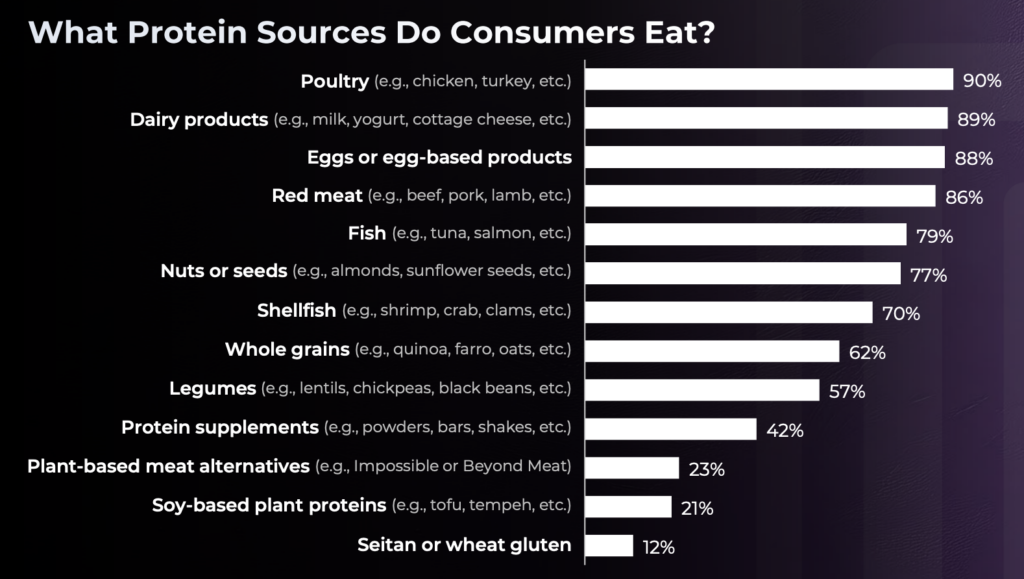
White Castle’s move to end a seven-year plant-based meat partnership and embrace a veg-packed patty speaks to the US’s shift in eating habits. Polling shows that a quarter of Americans (24%) were cutting back on meat last year, thhough only 19% were intentionally choosing animal-free dishes when dining out.
They were also much more likely to order meals with whole ingredients like beans and legumes (28%) than those with vegan meat alternatives (17%). “Consumers overwhelmingly trust whole foods – nuts, legumes, and grains – over processed plant-based meat alternatives,” the report stated.
This is why the most consumed plant-based protein sources are nuts and seeds (77%), followed by whole grains (62%) and legumes (57%). Plant-based meat is way down the list, with only 23% of Americans eating products like the Impossible Burger.
Separate research has found that nowhere are consumers more dissatisfied with the price or flavour of meat alternatives than in North America. And frequent consumption of vegan or vegetarian food has decreased by at least five percentage points in this region (totalling just 13% of consumers).
It explains why sales of plant-based meat fell by 10% in US supermarkets last year. Even in foodservice, broadline distributor sales of plant proteins (including meat alternatives, tofu, tempeh and veggie burgers) declined by 7%.
Many companies have pivoted their offerings to align with the market. McDonald’s no longer sells its vegan McPlant burger (featuring a patty from Beyond Meat) in the US, suggesting the trial didn’t work, despite the menu item’s success in Europe. Beyond Meat itself has rebranded to Beyond The Plant Protein Company and expanded into fava bean burgers and protein drinks in response to falling sales.
White Castle’s move to replace the Impossible Slider with a Dr Praeger’s patty fits in with this trend, but it’s also a marker that the desire for meat-free eating endures, just in a different way than at the turn of the decade.