
German food tech startup Formo has obtained self-affirmed GRAS status for its precision-fermented casein protein in the US and established a partnership to commercialise the ingredient.
The booming demand for protein is no longer about volume. Increasingly, people are looking for superior performance through “sustained amino acid release, clean sourcing, and functional precision”.
The existing dairy and food supply chain isn’t designed to meet these needs – at least according to Formo. The German startup leverages precision fermentation to produce a recombinant casein protein without the cow, and self-determined the ingredient as Generally Recognized as Safe (GRAS) in the US last December.
The milestone enables the firm to sell the animal-free dairy protein to food manufacturers in the US. It has since notified the US Food and Drug Administration (FDA) of its status and expects a ‘no questions’ letter later this year.
Formo suggests this technology can fill the protein performance gap. “We are not saying precision fermentation replaces dairy farming. We are saying it adds a new capability to the protein supply layer that lets the food industry meet the performance era of demand without those structural constraints,” co-founder and CEO Raffael Wohlgensinger Green Queen.
“The future is not dairy versus fermentation – it is dairy plus fermentation, with each playing the role the market is asking it to play,” he adds.
Why Formo is focusing on αS1-casein
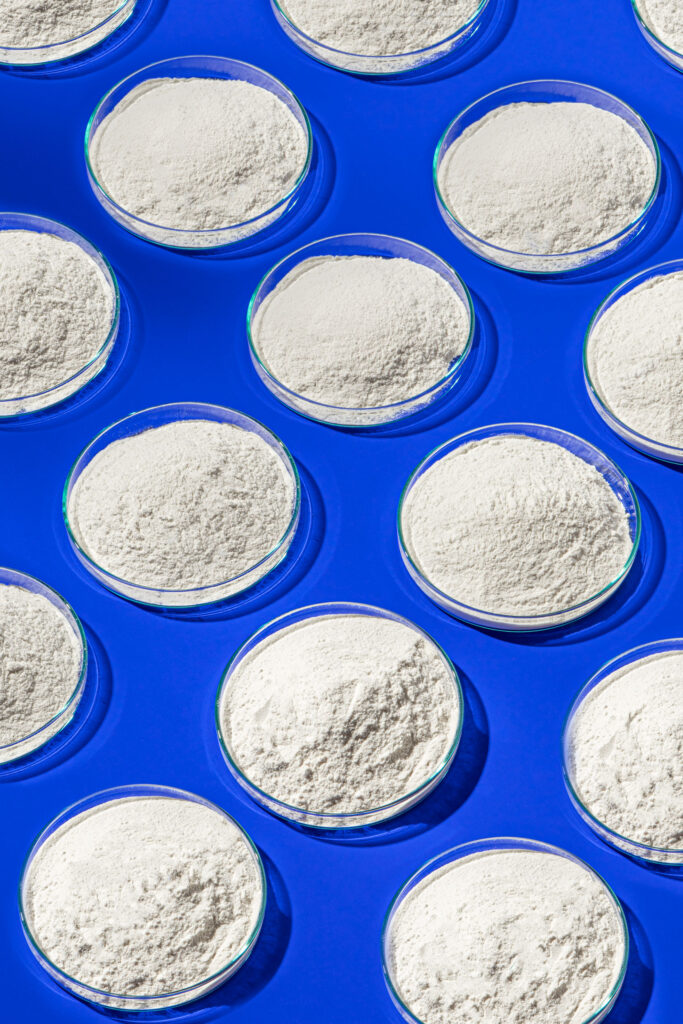
Precision fermentation involves inserting specific DNA into microbes to teach them to produce the desired molecules when fermented, whether they’re proteins, fats, vitamins, pigments, or other molecules.
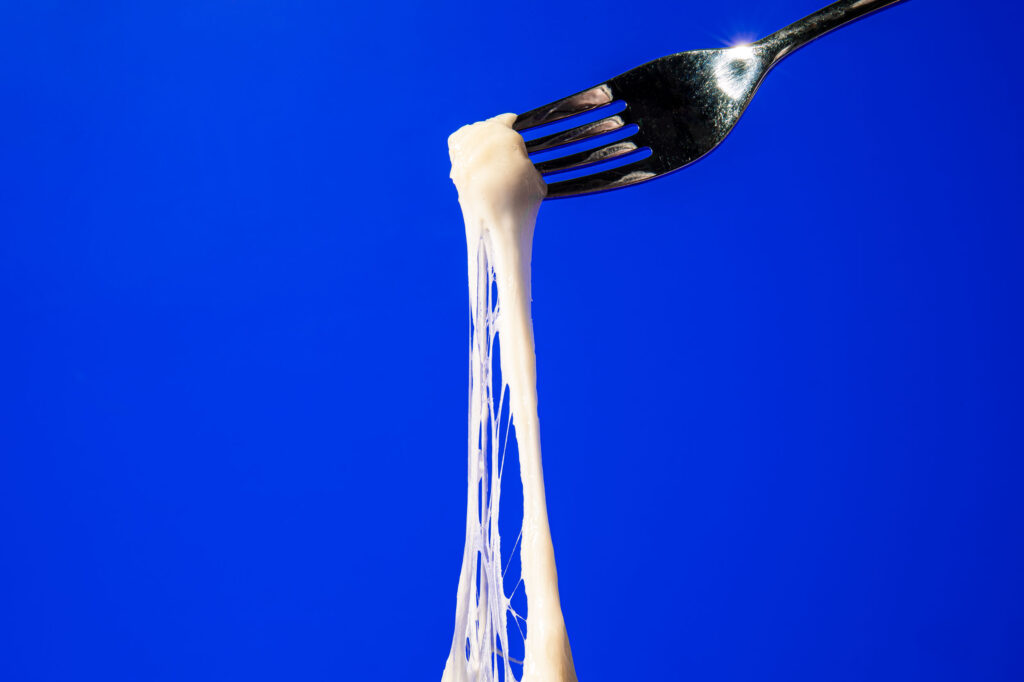
Formo is focused on casein, which accounts for 80% of the protein in dairy. This group of proteins is responsible for emulsification, gelation, thickening, and foaming. It’s what makes hard cheeses melt and stretch when heated.
“In conventional dairy, all four caseins act together; they assemble into micelles and contribute jointly to the functional properties dairy delivers in food and nutrition applications,” says Wohlgensinger.
“What’s powerful about precision fermentation is that it lets us produce pure casein fractions with defined, characterised application properties, something the conventional dairy supply chain cannot do. That opens up an entirely new design space for formulators.”
Specifically, Formo is targeting αS1-casein, the most abundant protein fraction in cow’s milk, accounting for around 40% of total casein content. “It carries strong functional relevance across the applications we are going after,” he notes.
“The other casein fractions are equally interesting in their own right, and our work on αS1 is the entry point into a broader platform of recombinant casein variants engineered for specific application demands.”
Formo engineers a food-grade E. coli strain, a well-characterised industrial production host, to express the αS1-casein. “The strain is cultivated in stirred-tank bioreactors under defined fermentation conditions. The casein is produced as a recombinant protein, which is then released and recovered through standard downstream unit operations: cell lysis, separation, and purification,” Wohlgensinger explains.
“The microorganism is fully removed during purification; the final ingredient is a single, well-characterised αS1-casein protein fraction with no living cells.”
Initial characterisation data exhibits superior functionality of the protein across a wide range of dairy applications, a complete essential amino acid profile, and advanced digestibility kinetics.
Precision fermentation addresses specification, resilience and resource intensity
Wohlgensinger says protein demand is being reshaped by three structural pressures. The first, specification, entails “sustained amino acid release, clean sourcing, lactose- and hormone-free protein, allergen control, and functional precision”.
“The fastest-growing categories in food and nutrition today – GLP-1 and metabolic health products, performance nutrition, satiety formats, high-protein everyday products – are built on protein specifications that conventional dairy was never engineered to deliver,” he suggests.
“Dairy delivers a mixed-composition raw material that varies by herd, by season, by feed, by processing. It was never engineered for the specification expectations of the next generation of food and nutrition products because, for most of its history, it didn’t have to be.”
The second driver is resilience, as dairy supply is increasingly exposed to climate and disease shocks (such as the ongoing H5N1 outbreak in the US), geopolitical risks, and feed market disruptions.
You only have to look at the ongoing whey protein shortage in the US – contracts have been sold well into 2026, pushing manufacturers to look towards Europe, which itself has limited supplies. Prices are now set to rise even further. “These are operational realities now, not edge cases,” Wohlgensinger argues.
Finally, dairy is highly resource-intensive. Producing it at the volumes required for next-gen food and nutrition products will require far greater land, water and feed inputs. “That math becomes structurally impossible at the scale modern food systems are heading toward,” he says.
“Precision fermentation addresses all three. It delivers a single, characterised protein fraction with consistent composition batch after batch, fully specified, fully traceable, fully controlled. It is decoupled from biological variability and supply shocks because it is an industrial process, not an agricultural one. And its resource footprint scales fundamentally differently from livestock systems.”
Formo sampling animal-free casein to US customers for multiple applications
Formo is positioning its recombinant αS1-casein as an ingredient that formulators reach for when seeking “functional precision, clean specification, and consistent performance” for next-gen dairy and nutrition. This makes it suitable for multiple product verticals.
The protein can be used in the performance and active nutrition space, spanning high-protein formats, recovery and satiety products, protein-fortified beverages, and applications suited for GLP-1 and metabolic health. These are categories where conventional dairy casein hits structural limits, with amino acid profiles and performance mattering most.
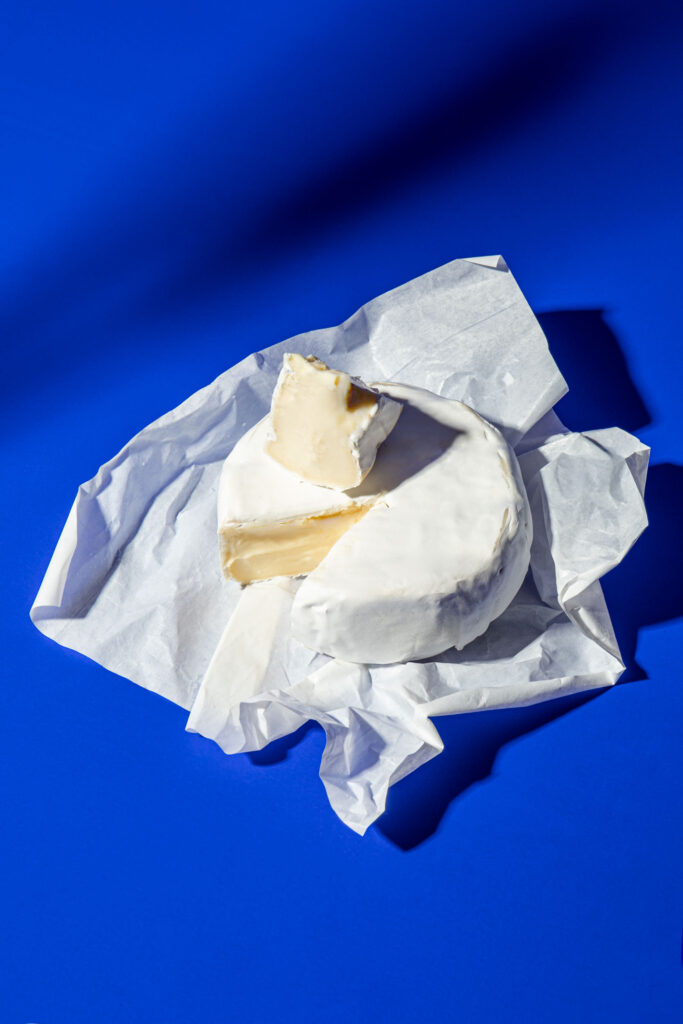
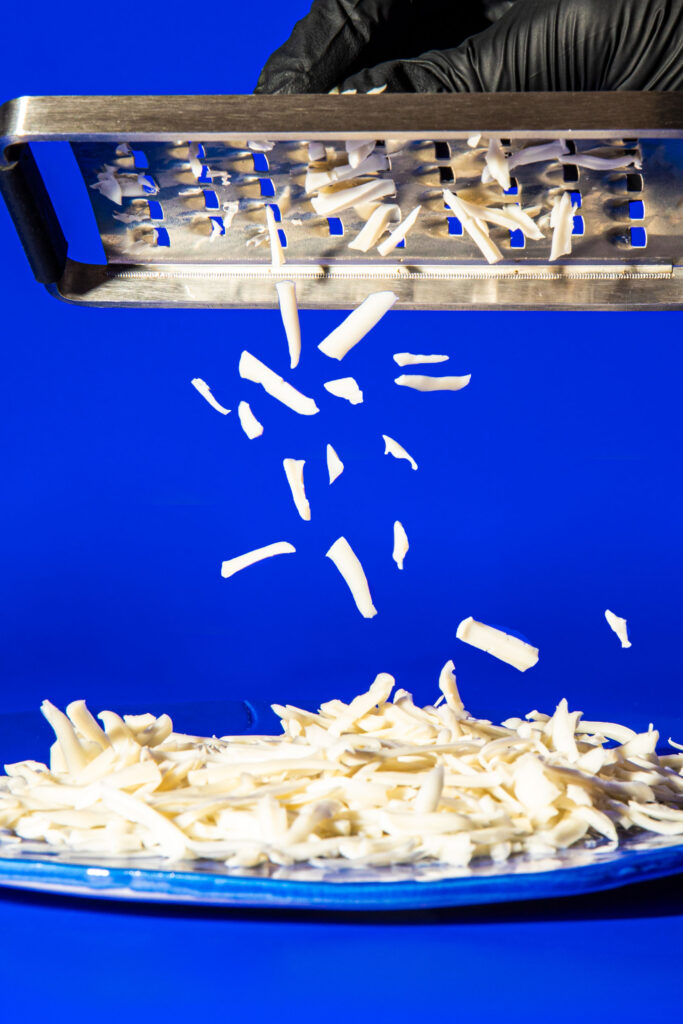
The casein protein can serve as the base for future-friendly dairy products, including high-protein dairy formats, advanced cheese applications, high-foamability barista milks, and “new product categories that conventional dairy proteins cannot reach”. Formo’s αS1-casein can be used at up to 25g per 100g in cheese alternatives.
Finally, Formo is targeting a broader platform of recombinant casein ingredients covering purified, characterised fractions and variants designed for specific application demands. “This is the platform direction our R&D pipeline is moving towards,” says Wohlgensinger.
“Today’s GRAS scope is the foothold. Our full vision is delivering the protein layer for the performance era of food,” he adds. That said, infant formula and products under the jurisdiction of the US Department of Agriculture are excluded from the precision-fermented protein’s use cases.
Formo has set up a subsidiary in the US, and teamed up with RxFood Ingredients on a commercialisation partnership. It is actively sampling its ingredient with food and nutrition companies.
“Our public commercial kick-off moment in the US is IFT FIRST in Chicago (July 13–16), where we’ll demonstrate prototype applications across our priority categories,” says Wohlgensinger. “The first commercial products containing Formo’s casein will land on each customer’s own product launch timeline.”
Price parity with commodity casein not a goal for Formo
Formo combines its own bioprocess development and pilot capabilities in Frankfurt with qualified contract manufacturing partners for commercial-scale fermentation.
“We have strong conviction in how specialty ingredient players in the precision fermentation industry can successfully industrialise and generate value: own the strain, the process, the application science, and the customer relationship; then partner for fermentation capacity until your own demand warrants vertically integrated build-out,” outlines Wohlgensinger.
“Our current production footprint comfortably supports the sampling and early commercial commitments we are advancing in the US, with a clear scale-up path to meet demand growth through today’s regulatory milestone and the upcoming ‘no questions’ letter and beyond,” he notes, declining to disclose specific volume numbers or contract manufacturing partners.
Importantly, he points out that Formo is not pursuing price parity with commodity casein: “We are delivering a specialised protein ingredient where the value lies in functionality, consistency, and clean specification.
“In the applications we are going into, the relevant question is not price-per-kilo against bulk dairy casein but value-in-use in the specific formulation: foaming behaviour, melt-and-stretch performance, protein purity, batch-to-batch consistency, label clean-up. That is the metric formulators actually optimise against, and it is the metric where Formo’s casein delivers.
“On the cost trajectory itself, precision fermentation follows the established learning curve every biomanufacturing platform has demonstrated. Costs come down meaningfully with strain optimisation, process intensification, and scale. Formo’s cost path is on track to support the commercial commitments we are making to US customers in the coming months, with significant headroom as we scale.”
Well-capitalised with a runway for ‘years to come’
In 2024, Formo announced an R&D partnership with Dutch startup Those Vegan Cowboys, which also uses precision fermentation to produce casein. The focus was on casein optimisation and industrialisation, and the regulatory milestone is a direct result – Formo’s GRAS notice was filed jointly with Those Vegan Cowboys.
“Going forward, Formo independently advances the technology through our own biotech platform, application science, and commercial pipeline – including continued development of more functional and customised casein variants designed for the performance demands of next-generation food and nutrition,” Wohlgensinger.
“The US GRAS pathway is our priority focus today. It’s where regulatory clarity and the US customer demand are most aligned, and where the commercial opportunity is largest in the near term,” he notes.
The FDA notice is also timely, given that US health secretary Robert F Kennedy Jr has vowed to eliminate the self-affirmed GRAS pathway. The food regulatory has already proposed a rule to scrap this measure. And in New York, legislators have voted in favour of a bill to close this “loophole” for products sold in the state.
“We are advancing regulatory work in additional priority markets,” he adds. “The scientific dossier behind GRN 1312 in composition, safety substantiation, production characterisation, [and] intended use, is foundational work that supports filings in other jurisdictions. The same body of work that satisfied the FDA process is the starting point for regulatory engagement globally.”
The startup, which has raised over €135M to date, has a runway for “years to come”, and isn’t currently seeking further investment.
“Additional capital at this stage doesn’t fund proof of concept. It accelerates infrastructure: production scale, market penetration, and the commercial buildout required for industry-wide adoption. That is a fundamentally different use of capital than what got us here,” says Wohlgensinger.
“If we were to look for additional partners, we are most interested in collaborators that bring more than a check. At this stage, the right partners have distribution reach, formulation expertise, or commercial networks in food and nutrition. Strategic value-add matters as much as financial capacity.”
Formo winds up Frischhain brand of koji protein cheese
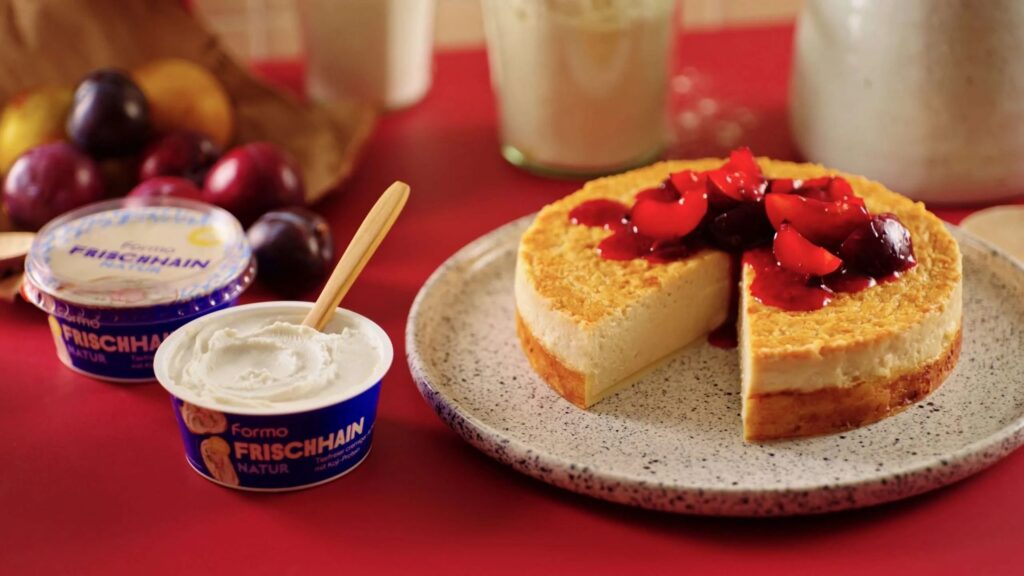
Last year, Formo rolled out Frischhain, a line of cream cheeses made from fermented koji protein in Germany. The process involved micro, rather than precision, fermentation, allowing the startup to generate early income and market validation as it worked toward approval of its casein ingredient.
The startup sold more than 300,000 units of its microbial cream cheeses across 3,500+ Rewe and Billa stores, reaching over 125,000 consumers. It also teased fungi-derived scrambled eggs and baked goods as future products, but the brand has since been discontinued.
“Frischhain completed its run in 2025 after delivering exactly what we needed: proof that mainstream German retail consumers will choose fermentation-enabled dairy products at scale,” reveals Wohlgensinger.
“With that validation in hand, we have concentrated Formo’s strategic focus on the recombinant casein platform to build the protein layer that scales across dairy and the broader food industry, rather than through a single consumer brand we operate ourselves.
“Frischhain served its strategic purpose. Our future is in B2B specialty protein ingredients for high-value applications, starting with dairy.”