
British ready meal startup Pollen + Grace has abandoned its 100% plant-based approach, adding chicken-based options to its lineup and facing pushback on social media.
Despite health and environmental experts’ calls for businesses to prioritise plant-based proteins, restaurants and brands have been reluctant, or at least finding it hard, to sell them.
So much so, that many formerly vegan businesses have added meat or dairy to their offering, suggesting that it’s just the way the wind is blowing with consumers.
In the UK, ready meal producer Pollen + Grace has become the latest to do so. Last week, it launched a chilli chicken and slaw salad and pesto chicken and greens salad, reintroducing meat after eight years as a 100% vegan brand.
The decision stemmed from the startup’s consumer research, which showed that 72% of its shoppers eat meat, and only 5% associate the brand with being vegan – most connect it with health and quality, co-founder and chief growth officer Kristina Komlosiova said in a LinkedIn post.
But the move was met with considerable backlash online, with users on Instagram saying they’re “disappointed” and many suggesting they would no longer buy Pollen + Grace’s products.
Why Pollen + Grace reintroduced meat to its meals
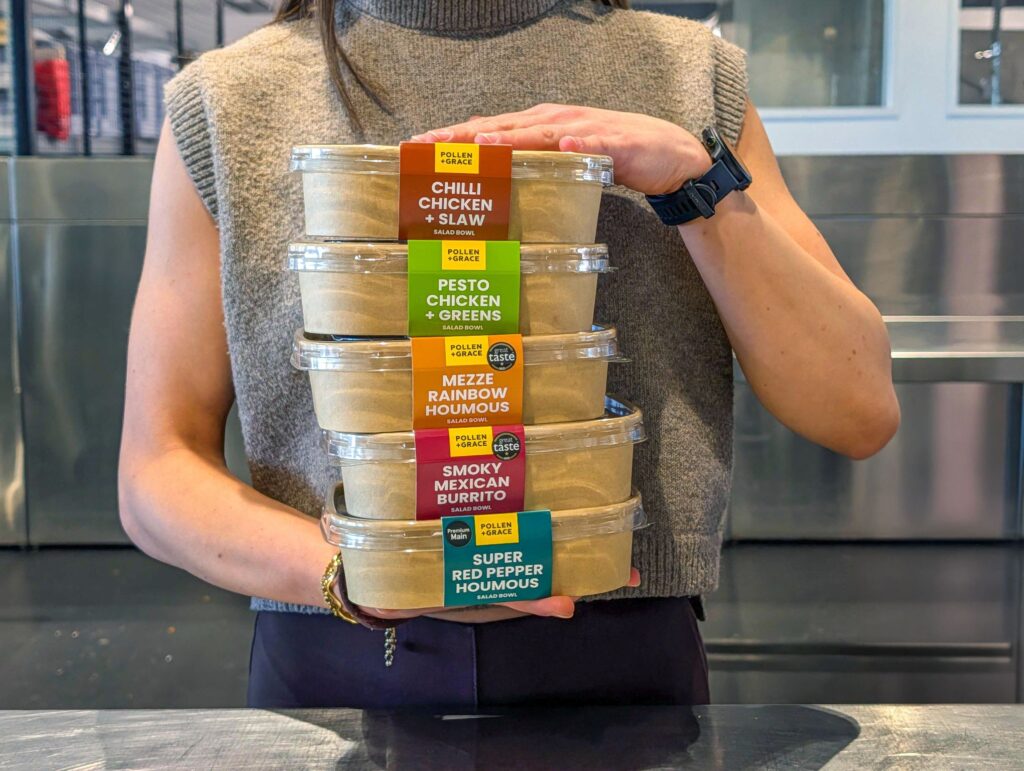
Pollen + Grace has been a brand that’s looked to move with the times – it used to serve both plant-based and meat dishes when it launched in 2015, but shifted to a 100% vegan menu in 2018, just as meat-free eating was at its height of popularity.
Now, as sales of plant-based food fall and meat makes a comeback, the brand says it’s hoping to lean into consumer trends. “The honest truth is that it came from listening and observing the people who consistently buy our meals,” said Komlosiova.
“Over the last 18 months, we went deeper than ever into understanding our shoppers, and what came back surprised even us,” she noted, adding that the number one request from its customers was for more animal proteins and variety.
“There was also the cross-shop data, which showed that our own customers were going elsewhere for things we simply weren’t offering,” she explained. “When you see that clearly enough, it becomes an obvious decision, and we simply cannot be stubborn about it.
“Our mission has always been to make genuinely delicious, healthy food that fits into real people’s lives. Clinging to a label that no longer reflected our shoppers, or honestly, where we started back in 2015, would have been stubborn for the wrong reasons.”
In another LinkedIn post, Claire Whitfield, the brand’s head of product, said: “We still believe plant-rich eating is one of the most important things we can do for our health. And we hope that by introducing options with animal protein, we’ll help more people diversify their diets and make balanced, feel-good food choices more often.”
Consumers call move a ‘step backwards’
Pollen + Grace says it’s responding to consumer needs, but many are unhappy with the move to introduce meat to the menu.
On Instagram, one user said they were “really disappointed”. “I’m sad to see a brand I admired move away from its values,” they wrote.
“It feels like a step backwards for the environment and for animal welfare, just to appeal to a group that already has endless options everywhere else. Every supermarket and food brand already offers meat – now you’re no different. What made you special was that everything was vegan.”
In her post, Komlosiova had outlined that Pollen + Grace was still championing plant diversity, noting that “more protein doesn’t mean fewer plants or fibre”.
But one Instagram user commented: “You can add more protein without adding animal products. Beans, lentils, tofu, to name a very small handful of suggestions.”
Others also pointed out that the company could have used plant-based proteins to meet this demand, and some indicated they would boycott the brand going forward.
Plant-based eating returning to growth in the UK
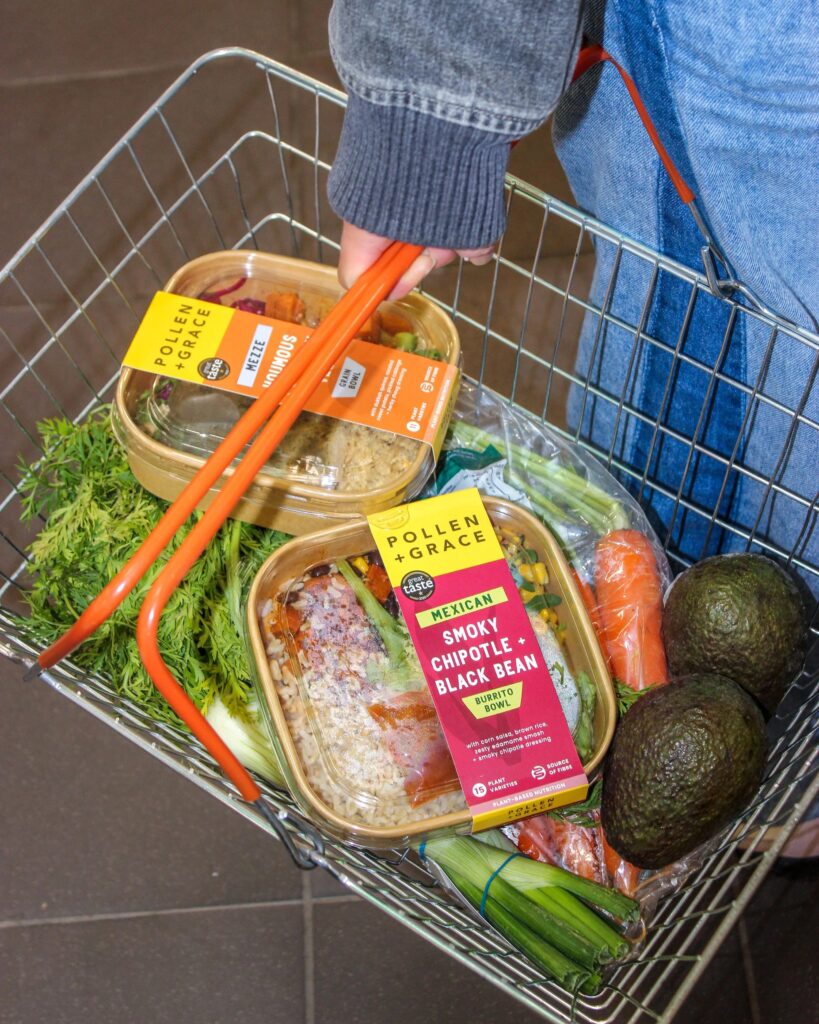
Pollen + Grace is one of several businesses that have made the decision to include animal proteins in a formerly 100% plant-based offering. In the UK, for instance, Bristol-based group Oowie, which had been expanding with a vegan-only approach, began offering animal products in 2024. And Wagamama, famously a plant-forward restaurant group, scaled back its meat-free options recently.
Across the Atlantic, Hot Tongue Pizza, Elf Cafe, Burgerlords, Margo’s, and Sage Regenerative Kitchen all adding animal proteins to their meat-free menus to mixed success – the latter wound down last year. Perhaps the most famous example, however, is three-starred eatery Eleven Madison Park.
Back in the UK, consumer research has found that while meat-eating has increased among young men in the UK, the 30-plants-a-week and fibremaxxing movements have brought about a bean renaissance. A third of Brits want to cut back on meat and dairy, and 38% want to increase their plant-based consumption.
In fact, the number of meat-free eaters has actually increased in the UK, with 27% of Brits set to be vegan, vegetarian or pescatarian by the end of the year – and Gen Z is leading the charge.
And while Circana data pointed to a 0.7% decline in volume sales of plant-based food, Nielsen analysis showed a near-1% uptick in demand for chilled vegan food across UK supermarkets in 2025, rising to 1.7% in the final quarter of the year.
Tesco, the country’s largest retailer, ascribed the revival to the heightening demand for “veg-led foods” rich in protein and fibre. And this month, it reiterated its commitment to innovating with meat alternatives despite failing to meet its sales target for these products, while doubling down on options that highlight plant proteins like beans, lentils and tofu.