A German organic vegetable farm near Lake Constance has unveiled a new digital marketing platform designed to connect biocyclic vegan producers with processors, retailers, and consumers, as interest in livestock-free agricultural production continues to grow within the organic sector.
The platform, called “Vegan Farmers,” was developed by Moosfeld Gemüse GmbH and presented at BIOFACH 2026 in Nuremberg. It operates across two distribution models: direct-to-consumer vegetable box subscriptions and pre-packed vegetable bags for organic retail, distributed via wholesalers.
What biocyclic vegan farming excludes
Biocyclic vegan agriculture extends organic certification principles by prohibiting inputs derived from livestock farming, including manure, slurry, and fertilisers made from slaughterhouse by-products such as horn shavings and bone meal. It relies instead on plant-based nutrient cycles and crop rotation to build long-term soil fertility. The approach is governed by the Biocyclic Vegan Standard, which was included in the IFOAM Family of Standards in 2017.
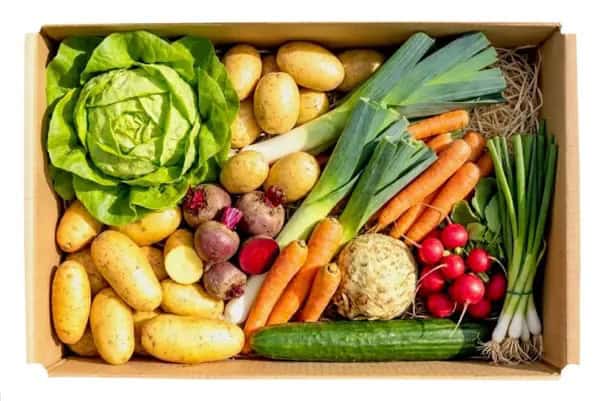
Moosfeld, which has operated under organic principles for more than 30 years and obtained biocyclic vegan certification in October 2023, grows between 50 and 70 vegetable varieties across around 40 hectares, depending on the season. The farm is managed by Jakob Mannherz, who founded the “Vegan Farmers” initiative.
How the platform works
Beyond fresh produce, the platform is expanding to include processed products such as tomato puree and vegetable broth. Other farms and food companies can join and market products through the platform or under the “Vegan Farmers” brand, expanding both the product range and distribution reach as new partners come on board.
The initiative also directs a portion of revenue to farmed animal sanctuaries.
Gastronomy interest and retail ambitions
The BIOFACH launch took place alongside a broader push by Biocyclic Vegan International, whose German association co-presented at the fair. According to the organisation, several catering and gastronomy businesses expressed interest in sourcing biocyclic vegan ingredients more systematically during the event. The launch also coincided with a new partnership between Biocyclic Vegan International and V-Label, which introduced a dedicated vegan agriculture certification category at the end of 2025.