
A six-year, state-funded research program focused on extracting high-value protein ingredients from Irish-grown crops has formally concluded, presenting findings that researchers say could open new commercial pathways for the country’s tillage sector.
“We are demonstrating that sustainable bioprocessing is ready for the global stage”
The U-Protein project held its closing symposium on May 20 at Teagasc’s Food Research Centre in Moorepark, County Cork. Backed by almost €3 million from Ireland’s Department of Agriculture, Food and the Marine (DAFM), the program drew together researchers from Teagasc, University College Cork, University of Galway, Maynooth University, University of Limerick, and Queen’s University Belfast, alongside ten industry partners.
Beans, grasses, and seaweed as raw materials
The project examined how crops including, faba beans, lupins, peas, grasses, and various seaweeds, could be processed into food-grade protein ingredients for use in future food products. Researchers developed and tested new extraction methods intended to preserve the nutritional and functional properties of proteins derived from these materials.
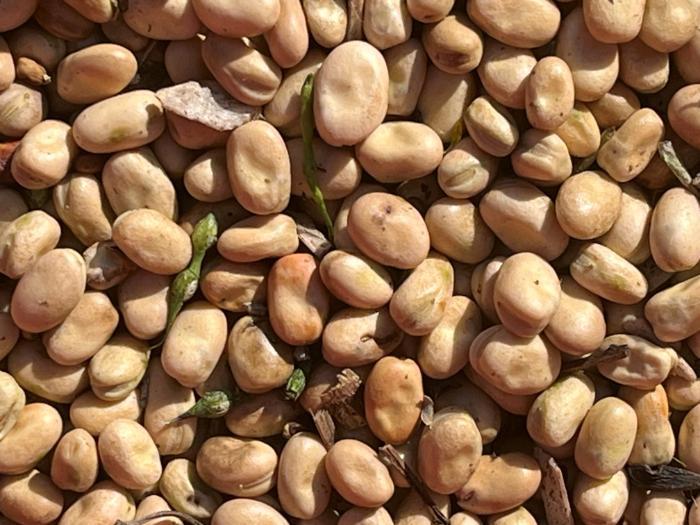
Crucially, the work extended beyond protein isolation. Under a biorefinery approach, researchers also investigated how leftover starch and fibre fractions, typically discarded as low-value by-products, could be converted into bio-based industrial materials. The principle is one of full-crop utilisation: extracting commercial value from as much of the raw plant material as possible, rather than treating residual fractions as waste.
From research to commercial reality
A keynote address from Zvonimir Sedlić, CEO and founder of Croatian faba bean protein producer Nutris, brought an industry perspective to the symposium. Nutris, which was founded in 2019 and operates what it describes as Europe’s first commercial faba bean protein isolate facility in Novi Senkovac, Croatia, works with a network of around 500 farmers in its supply chain. Sedlić’s presentation offered a practical account of what scaling plant protein production from field to factory actually requires.
Professor Mark Fenelon, head of the Teagasc food research programme and U-Protein project coordinator, framed the symposium’s conclusions in terms of readiness for commercial deployment. He stated, “By aligning our research on developing processes for plant protein production and valorisation of the starch and fibre side streams, we are demonstrating that sustainable bioprocessing is ready for the global stage.”