
Californian label Tower 28 Beauty has debuted a lip jelly featuring C16 Biosciences’s Palmless Torula Oil, a yeast-derived substitute for palm oil.
Yeast in your lip care? That is now a reality thanks to a new collaboration between a Californian vegan beauty brand and a New York-based biotech firm.
Tower 28 Beauty has introduced a ShineOn Plumping Lip Jelly containing a yeast-based palm oil alternative created by C16 Biosciences.
It’s the first colour cosmetic product made with the latter’s Palmless Torula Oil, which is designed as a deforestation-free solution to the harmful lipids used widely across the beauty and cosmetics industries.
“Together with Tower 28, we’re bringing next-generation biotech ingredients into modern beauty formulations, combining high-performance shine and hydration with bio-designed innovation,” C16 noted in a LinkedIn post.
C16 Biosciences uses fermentation to decarbonise fats
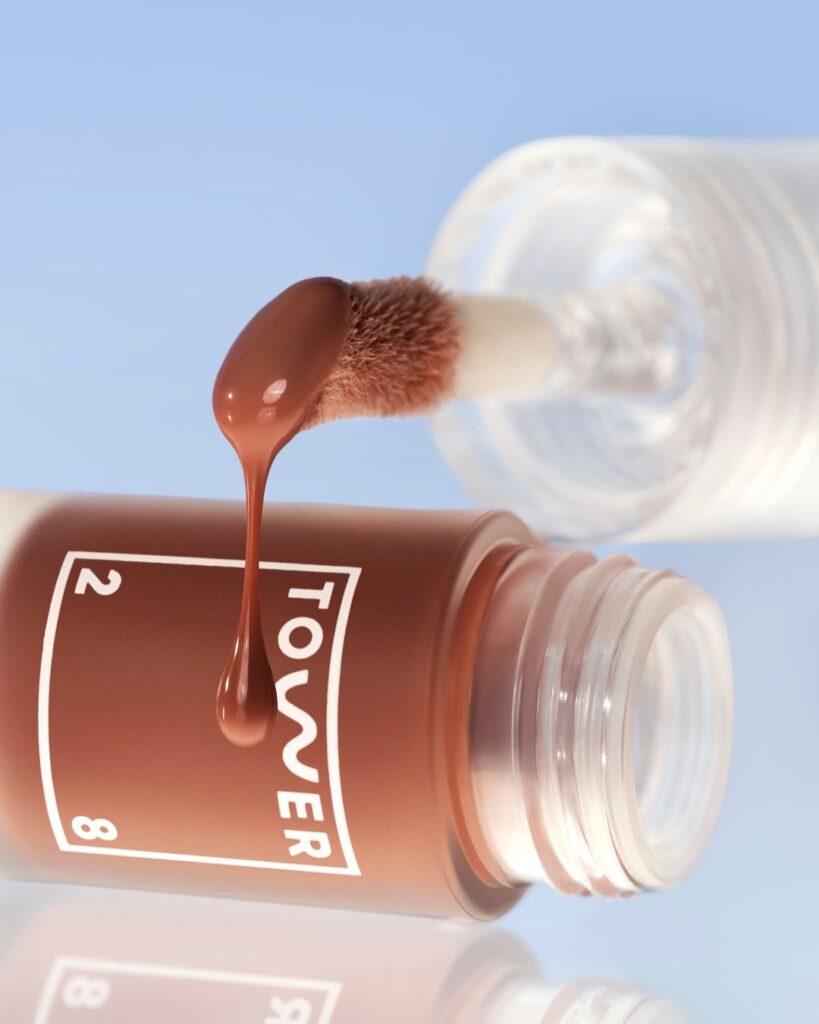
The vegan lip jelly is described as a “high-shine, non-stick formula” made with plant-based extract VibePlump and peptide Volulip, which stimulate circulation and naturally boost hyaluronic acid production, respectively.
It uses vibration technology to vibrate circulation into the lips without swelling, burning or irritation. The vanilla-scented plumper is available in five shades, including a clear-hued Chill Heat and a beige-tinted Warm Flow.
The Torula oil is another replacement ingredient, which combines with arnica to keep lips hydrated and free from irritation. It’s said to be nearly chemically and functionally identical to palm oil.
To make its lipids, C16 employs precision fermentation, which involves inserting DNA into microbes to teach them to produce desired molecules when fermented.
The proprietary biomanufacturing platform leverages naturally occurring microorganisms to unlock novel actives with high purity, which can be used across personal care, home care, and food and nutrition applications.
Two-fifths of all oil produced is palm oil, which is present in around half of all supermarket items, across every category. But the fat is the main driver of tropical deforestation and has been directly linked to wildfires in Indonesia and Malaysia. One estimate suggests that tropical deforestation is responsible for nearly 20% of all GHG emissions annually.
C16’s fermentation-derived lipids are said to deliver 250 times more efficient land use and a 100% traceable and reliable supply. It’s producing the ingredients at an industrial scale, with an output of several tonnes per week.
Personal care sector ramps up adoption of palm oil substitutes
Currently, 34% of palm oil imports potentially come from deforested land. It’s why the EU’s Deforestation Regulation, set to take effect this December after several delays, will ban the import of products like palm oil linked to deforestation. Violators face fines of up to 4% of their global turnover. The UK has a similar law, and lawmakers in the US have also introduced a bill in the same spirit this year.
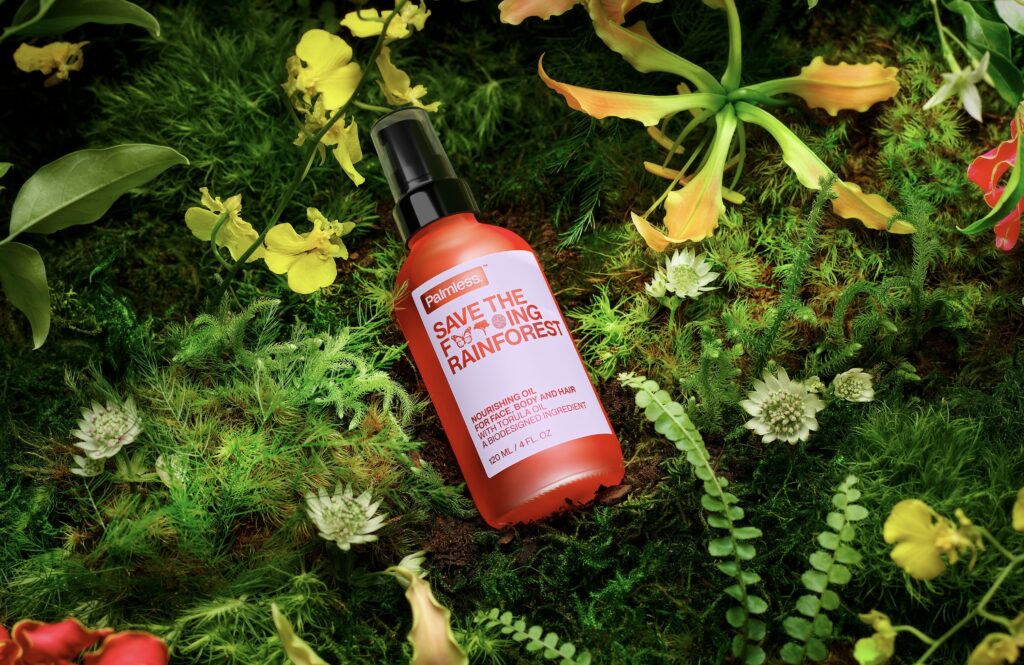
C16 has secured $34M in funding to date, with investors including Bill Gates’s Breakthrough Energy Ventures and the Gates Foundation. Its Torula oil has previously also appeared in Palmless’s F#$%ing Rainforest Nourishing Oil, as well as the Rewild Body Block, a soap bar jointly developed by Pangaia and Haeckels. Both these products sold out within 24 hours.
The launch with Tower 28 comes as more and more biotech startups come up with sustainable alternatives to palm oil for the personal care sector.
This year alone, Savor launched four carbon-derived ingredients that reduce emissions by 90% compared to tropical oils and address applications across skincare, haircare, over-the-counter formulations, and therapeutic care.
Meanwhile, UK startup Clean Food Group raised $7M and unveiled CleanOil for the beauty industry, leveraging food waste, yeast, and fermentation to present an alternative to palm oil. Estonia’s Äio has debuted its upcycled, sustainable fat alternative, RedOil, in a skin-boosting serum created with personal care brand Tilk.
Swedish player Melt&Marble’s precision-fermented fat, Marble7, received an International Nomenclature Cosmetic Ingredient (INCI) name from the Personal Care Products Council, enabling sales of the ingredient in the global personal care market.
And French cosmetics specialist La Fabrique Végétale teamed up with US startup Checkerspot to bring the latter’s fermentation-derived algal oils to the European personal care market.