
According to a recent survey by Swissveg, plant-based milk alternatives in Swiss shops have largely caught up with their animal-based counterparts in terms of price. However, there are still significant price differences when it comes to yoghurt and cheese alternatives.
For the 2026 price comparison, the cheapest products in the categories of milk, yoghurt, sliced cheese and cream cheese were surveyed at Coop, Migros, Lidl and Aldi Suisse. Short-term promotions and discounts were not taken into account in order to ensure a comparable snapshot.
Milk prices are falling, but cheese remains expensive
In the milk category, the cheapest plant-based alternatives are only slightly more expensive than their animal-based counterparts, according to the price check. “This convergence suggests that plant-based milk alternatives have become mainstream and can therefore be produced and sold more competitively.
“In many households, they have long been part of everyday life, which underlines their role as trailblazers for other plant-based product segments. According to the Plant-Based Food Report 2026 by Coop and YouGov Switzerland, vegan milk substitutes now account for almost a fifth of the retailer’s total milk sales – and the trend is rising,” explains Swissveg.
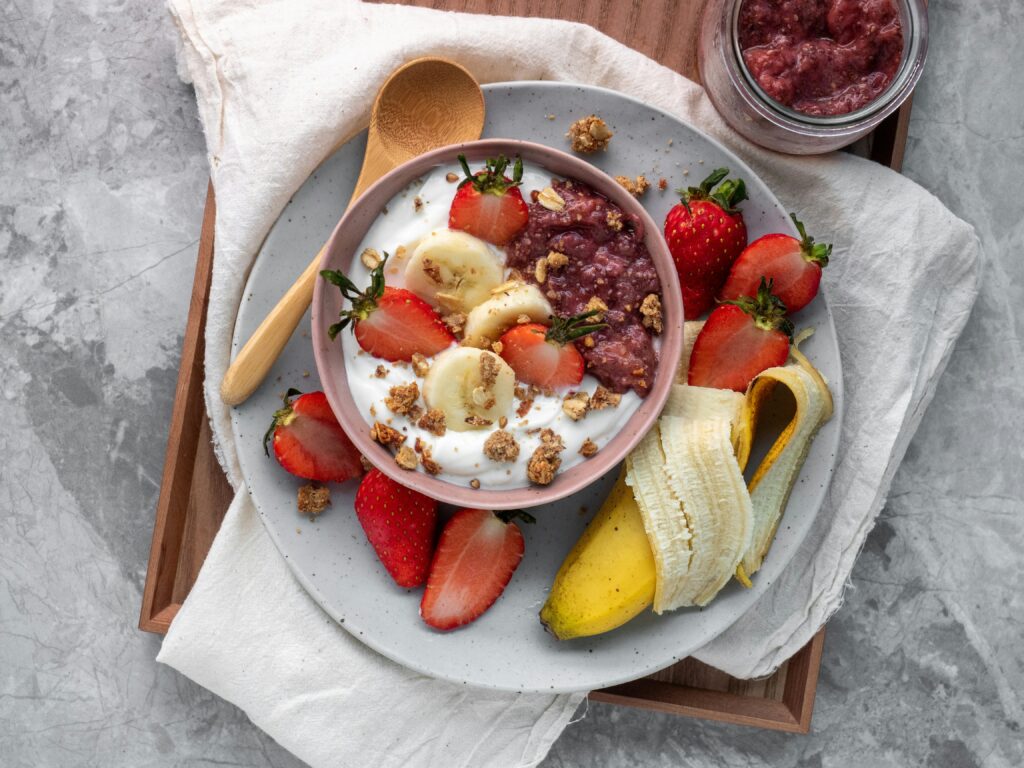
In the case of yoghurt, and particularly sliced cheese, however, the survey continues to show significant price premiums for plant-based alternatives. Cheese alternatives, therefore, have a significant impact on the total price of a complete plant-based shopping basket.
Lidl and Aldi offer the cheapest overall shopping basket
The analysis reveals clear differences between retailers: Lidl and Aldi offer the cheapest plant-based shopping baskets, whilst Coop and Migros have higher prices. Swissveg attributes this primarily to differences in private-label strategies and the range of cheese alternatives on offer.
Swissveg stresses that a purely financial comparison does not tell the whole story: plant-based products also contribute to environmental protection and animal welfare. At the same time, the organisation points to falling production costs driven by rising demand, technological advances and growing production volumes as key factors in further narrowing the price gap.