
Estonian state-owned national metrology institute Metrosert and its Applied Research Centre are constructing a €2M ($2.3M) pilot plant to help biotech companies validate alternative protein and material production.
The Estonian government is building a synthetic biology facility to help companies test and develop their processes and bring their climate-friendly solutions to market faster.
Metrosert, the metrology authority owned by the government, and its Applied Research Centre have signed a nearly €2M ($2.3M) contract with construction company Savekate to build the pilot plant.
The effort is aimed at helping producers of novel proteins, enzymes, yeasts, vegetable fats and other substances navigate the “valley of death”, the critical transition from lab success to large-scale manufacturing.
“For most companies, building their own pilot plant is neither economically feasible nor practical. The shared pilot infrastructure offered by Metrosert helps reduce development risks and accelerate the transition of technologies to industrial production,” said Kaupo Reede, head of Metrosert’s Applied Research Centre biorefining unit.
New facility will help close ‘serious bottleneck’ for Estonia
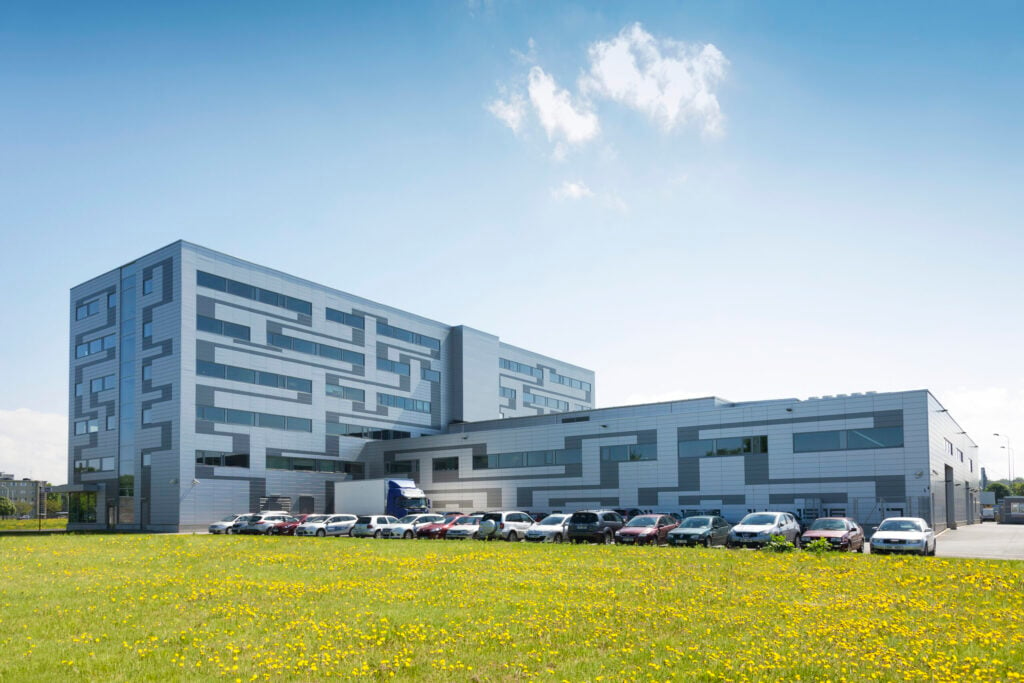
According to Metrosert, the new facility will create a “previously missing opportunity” for biotech companies focused on food, chemicals, materials and pharmaceuticals to test their processes before making large industrial investments.
“Estonia has companies and researchers with strong competence and solutions developed at the laboratory level, but to make the next leap in development, a place is needed where these technologies can be tested on an industrial scale,” said Reede.
“Until now, such a capability has been lacking in Estonia, and companies have had to look for opportunities abroad. The new pilot industry will help fill this gap,” he added.
Reede believes the lack of such pilot infrastructure has been a ‘serious bottleneck’ for the country’s biotech industry, preventing many startups from successfully launching innovative ingredients and materials.
“Biotechnology is a capital-intensive and highly regulated field. Before starting mass production, the process must be proven to work, its reliability must be assessed, and the first batches must be produced for customers and partners,” he explained.
Metrosert to build facility in line with international food safety requirements

Construction of this biotech plant is set to begin soon, with Metrosert expecting the project to be completed by the end of the year. “The pilot plant will serve as a bridge between science and commercial application,” said Reede.
“The contract signed with Savekate is an important step towards ensuring that the ideas of Estonian entrepreneurs and researchers do not remain within laboratory walls but can reach production readiness in an environment that complies with international requirements.
The synbio facility will enable companies to gradually scale up their production volumes and manufacture their first larger product batches. In addition, Metrosert will help them plan development pathways, find international partners, and prepare cooperation projects with prospective customers.
As the plant will also develop solutions for the novel food industry, it will be built to meet strict international food safety requirements. This will help producers develop processes and manufacturing prototypes in an environment that supports their progression towards industrial production and international markets.
“Synthetic biology is no longer a technology of the distant future, but a practical tool for building a new-generation economy. Estonia has a considerable number of entrepreneurs and researchers with strong ideas and promising initial laboratory results. To advance to the next stage, however, they need an environment in which technologies can be tested at a larger scale,” said Reede.