
Italian cocoa-free chocolate maker Foreverland has expanded its portfolio with a no-added-sugar, fibre-rich lineup to align with current consumer nutrition trends.
Four months after investors pumped $7M into its cocoa-free solutions, Italian startup Foreverland has launched a new functional range of chocolate alternatives with high fibre and no free sugars.
The firm is looking to tap into the “wellness boom” in Europe with the no-added-sugar versions of its carob-based Choruba chocolate, which is being rolled out in milk and vegan milk options.
Foreverland has used a “proprietary sweetening blend” free from artificial sweeteners that delivers the same flavour and allows companies to maintain a clean-label ingredient list, keying into consumer demand for nutrition-first products that don’t compromise on flavour.
“With our functional line, we address these evolving needs directly by delivering an ingredient that unlocks different health claims simultaneously,” said Foreverland co-founder and CEO Massimo Sabatini. “Formulated to perform across categories and applications, it offers a massive competitive edge for food brands.”
Foreverland bets on GLP-1-fuelled sugar and fibre trends
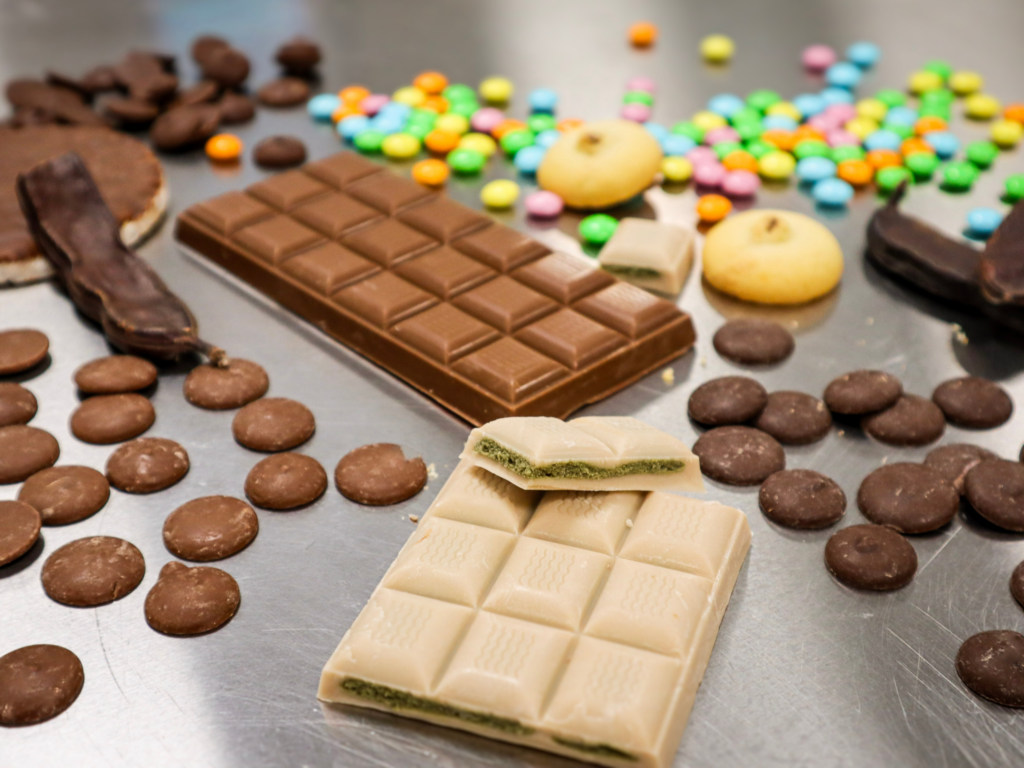
Foreverland uses a heavily wasted food ingredient to substitute a heavily polluting one. Globally, 90% of the carob fruit is discarded, with only the seeds used for locust bean gum.
The startup upcycles the byproduct and blends it with pumpkin seeds and chickpeas to make its Choruba range of chocolate alternatives that aim to mitigate the cocoa supply chain risks induced by the climate crisis.
This includes milk, semi-dark, white and vegan chocolates, a cocoa-free powder, bake-stable chocolate drops, and a spreadable cream. Now, the high-fibre, no-added-sugar offerings have joined the list.
They act as a drop-in solution that can deliver the same results as its other cocoa-free products in a variety of applications, from moulding, coating and enrobing to inclusions and decorations.
Foreverland is targeting a fast-changing landscape where consumers are ditching sugar and can’t get enough of fibre. “We are witnessing a concrete shift in expectations when it comes to better-for-you products,” said Sabatini.
“Consumers want it all and aren’t willing to compromise. A snack can’t just be a snack anymore. It has to stack functional claims, while also delivering exceptional taste.”
A seven-country survey by Tate & Lyle last year found that over 50% of respondents planned to cut back on sugar over the next 12 months. This aligns with 2025 research by its would-be parent company, Ingredion, which found that 64% of global respondents said they were actively consuming less sugar, citing health reasons.
Meanwhile, most Europeans are deficient in fibre, and 38% want to increase their intake of the macronutrient. Awareness about its gut health benefits has risen through documentaries like Netflix’s Hack Your Health, the 30-plants-a-week movement, and online trends such as fibremaxxing and fibrelayering.
Both these trends are also being fuelled by the rise of weight-loss drugs like Ozempic, Wegovy and Mounjaro. Research has shown that 45% of GLP-1 users consume less sugar than before. At the same time, dietary fibre can trigger the body’s natural GLP-1 response, regulating appetite and keeping you feeling full.
Cocoa-free alternatives drawing Big Chocolate’s attention
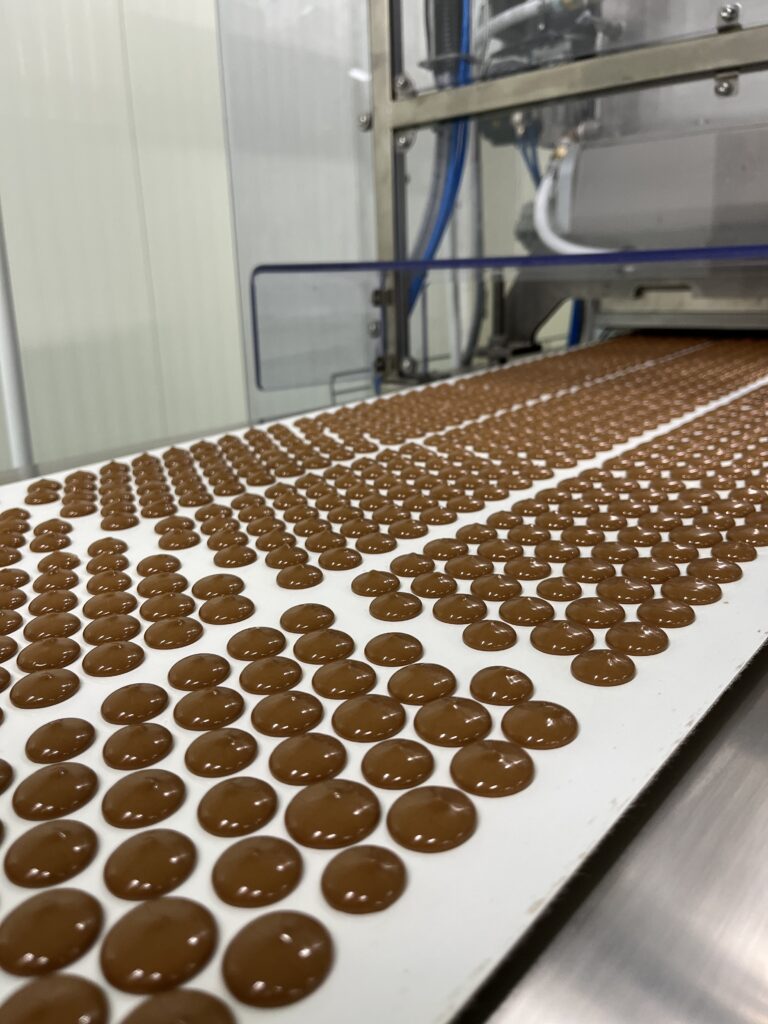
Foreverland says the multifunctional benefits of its new range provide manufacturers with a significant formulation and marketing edge, enabling them to meet shifting market demands and regulatory pressures and reduce their exposure to the volatility of the cocoa market.
Thanks to climate change, cocoa stocks fell to their lowest levels in a decade and prices rose to all-time highs in 2024. Extreme weather and crop diseases have hit plantations hardest in the Ivory Coast and Ghana, the two largest producers of the crop.
Scientists warn that a third of the world’s cocoa trees could die out by 2050. Plus, producing chocolate emits more greenhouse gases than any other food except beef, and the industry is linked to widespread tropical deforestation. Foreverland’s alternatives lower water consumption by 90% and emissions by 82-91% compared to conventional chocolate.
Last October, the startup opened a full-scale manufacturing plant in Puglia, which can churn out 500 tonnes of its cocoa-free chocolate every year. It features a dedicated pilot fermentation room, enabling its team to test and refine processing steps flexibly as well as protecting know-how and validating unit economics.
The facility allows Foreverland to run industrial trials with larger clients, secure small and medium-sized customers, and deliver a steady, scalable supply of chocolate alternatives.
This is handy, since Big Chocolate is betting big on chocolate alternatives. Barry Callebaut, Cargill, Puratos, Mondelēz International, Döhler, Lindt, Nestlé, and Mars have all invested in or collaborated with cocoa-free or cell-based chocolate players.
It’s a space that includes, among others, Voyage Foods, Nukoko, Prefer, Win-Win, California Cultured, Kokomodo, Celleste Bio, and Planet A Foods. The latter even came up with a no-added-sugar version of its cocoa-free ChoViva chocolate last month, signalling that functional ranges are now a core part of this sector’s growth.