
减损就是增产:长安多措并举扎实推进2026年小麦机收减损工作
2026年“三夏”小麦收割期间,陕西省西安市长安区紧紧围绕“减损就是增产、降耗就是增收”的目标,采取分区施策、以赛促练、定点监测等措施,全区小麦机收减损工作取得实效,有力保障了夏粮颗粒归仓…
专利壁垒、登记雷区与合规生存法则,以氟唑菌酰胺/砜吡草唑等热点产品为例解析农药出海″隐形雷区″

中国是全球最大的农药生产国和出口国,超过九成的农药产量依赖出口市场。然而,随着国际农化巨头专利维权力度的持续升级,以及各国监管法规的日趋严苛,中国农药企业出海的道路正变得越来越崎岖。2025年-2026年,巴斯夫就氟唑菌酰胺专利侵权发出维权…
引进新型折腰式拖拉机——补齐陵川山地适配农机设备短板
近日,山西省陵川县引进2台折腰式拖拉机。该拖拉机动力强劲,整机轴距仅1.5米,配合折腰转向、双向驾驶等先进技术,整机转弯半径仅3米,转向激动灵活,非常适合丘陵山区小地块作业。 折腰式拖拉机的引进,补齐了陵川县山地适配农机…
利尔化学控股权转让征集期满,10家意向受让企业参与竞逐
大农化网报道:2026年6月22日,利尔化学股份有限公司(简称″利尔化学″,证券代码:002258)发布公告称,其控股股东久远集团及一致行动人化材科技合计转让23.50%股份的公开征集期已于6月17日届满,共有10家意向受让方提交申请材料并…
历时七年,欧盟新基因组技术(NGTs)法规尘埃落定!种业巨头集体″点赞″
大农化网报道:2026年6月17日,欧洲议会正式通过了关于植物"新基因组技术"(NGTs)的最终法规草案。继欧盟理事会于2026年4月21日通过一读立场、并于5月正式将法案移交议会后,欧盟立法程序至此全部完成。欧洲由此正…
江山股份再融资获证监会批准,11.85亿元投向苯嘧草唑与精异丙甲草胺产能提升
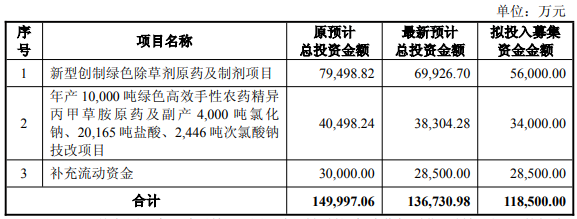
大农化网报道:6月18日,南通江山农药化工股份有限公司(简称″江山股份″)发布公告称,收到中国证监会出具的《关于同意南通江山农药化工股份有限公司向不特定对象发行可转换公司债券注册的批复》,同意公司向不特定对象发行可转换公司债券的注册申请。 …
Animal rights groups cautiously optimistic on EU roadmap to end “cruel toxicity tests”
The cosmetics industry’s push away from animal testing has reached a pivotal moment after the European Commission (EC) launched a roadmap to phase out animal tests in chemical safety assessments earlier this month. The plan marks the EC’s first official commitment to replacing these testing methods with non-animal science.
EU Lawmakers Press Commission for Cage Ban Timeline as Activists Stage Four-Day Brussels Protest
More than 170 Animal Equality activists gathered outside the European Commission’s Directorate-General for Health and Food Safety (DG SANTE) and the Berlaymont building in Brussels today, opening four days of demonstrations timed to the AGRIFISH Council meeting in Luxembourg and the EU Livestock Strategy, due from Commissioner for Agriculture and Food Christophe Hansen on 7 July.
HPPD除草剂苯唑草酮的晶型专利在全球多数主要市场仍然有效

2021年1月5日,中国国家知识产权局作出无效宣告请求审查决定,宣告巴斯夫欧洲公司拥有的苯唑草酮晶型专利公开号 CN 101687862A号专利全部无效。 然而,比″专利被无效″本身更值得关注的,是一个容易被忽视却至关重要的事实:这件专利在…
EU Agency Models a 5% Emissions Cut From Diversifying Europe’s Protein Supply
The average adult in the EU consumes between 80g and 85g of protein per day, more than most population groups require, and animal-based products account for roughly 60% of that intake, according to a new report from the European Environment Agency (EEA). The report, “Protein diversification: strategic risks and opportunities for sustainable food systems,” argues there may be scope to rebalance Europe’s protein mix while still meeting nutritional needs.