
A global survey has revealed that nine out of 10 people are affected by skin quality concerns. In its research, dermatology company Galderma found that skin quality concerns are highly common, can pose mental health effects, and are often comparable among people in similar demographics by age, lifestyle, and environment.
In what it calls “the world’s most extensive skin quality profiling survey,” the company took a sample size of over 11,000 people in 11 countries across Europe, Asia, and the Americas.
The findings show 85% of people’s quality of life is impacted by their skin, and that smooth texture, hydration, and glowiness are the primary desired attributes. Over a third of those surveyed reported feeling self-conscious, insecure, or anxious due to poor skin quality.
Galderma also supported and sponsored the development of the Skin Quality Assessment Scale to create a universal assessment tool for skin evaluation. By creating a standardized scale, it aims to provide a holistic, science-based tool to evaluate skin quality comprehensively and guide personalized, long-term treatment planning.
“People are increasingly focused on the quality of their skin, driven by constant close-up exposure through video calls and social media. Until now, however, we’ve lacked a clear understanding of the scale and emotional impact of these concerns,” says Dr. Kuldeep Minocha, global brand ambassador and key opinion leader at Galderma.
“These insights deepen our understanding of patients’ feelings and expectations across their skin quality treatment journey, offering valuable perspectives that go beyond what we can uncover in consultations alone.”
Universal concerns, regional differences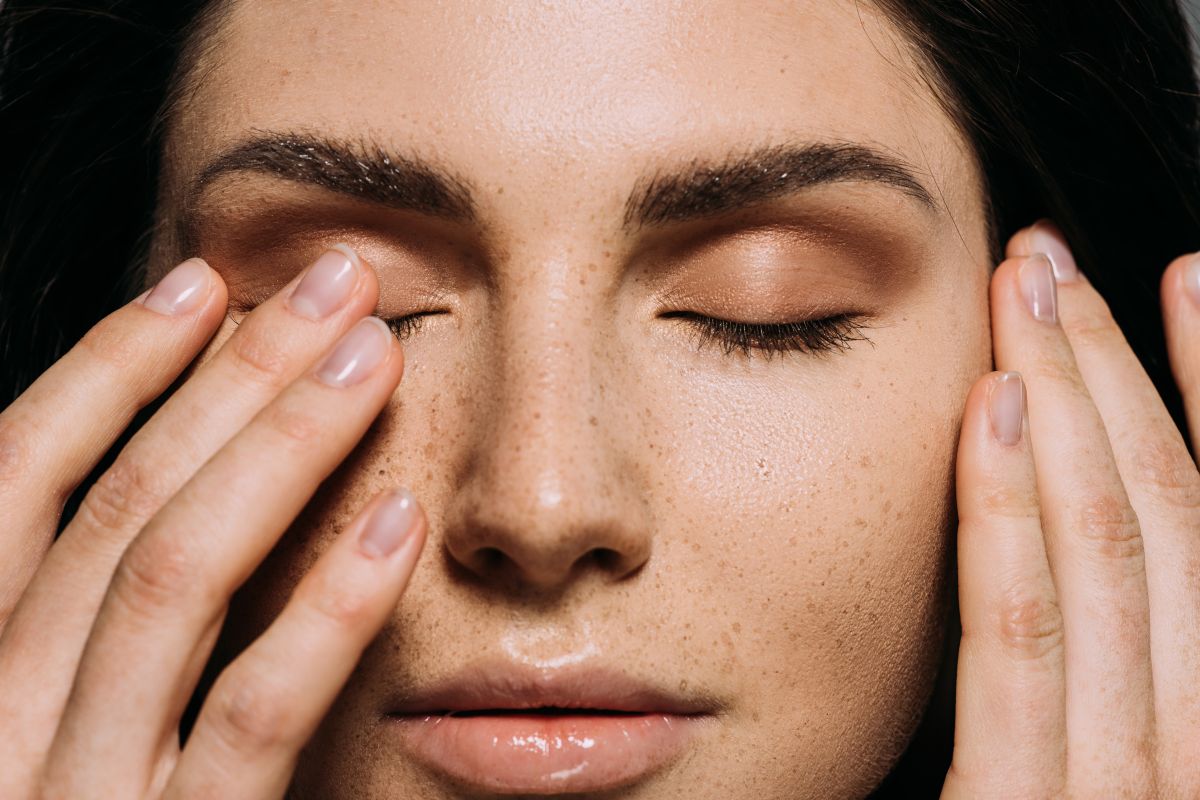 Regional differences show how skin concerns vary by age, lifestyle, and environment.
Galderma defines skin quality as the visual, sensorial, and functional daily characteristics of the skin. This includes attributes such as hydration, elasticity, smoothness, radiance, firmness, and tone.
Of the 90% of respondents who reported being affected by skin quality concerns, each individual had an average of two concerns within one month. The most common concerns are fine lines and wrinkles (41%), dry skin (40%), and dull skin (37%), most frequently affecting the face.
Additionally, age spots, oily skin, decreased firmness, and enlarged pores stood out as significant concerns. These were found to primarily affect the face, followed by the neck, legs, and upper arms.
Furthermore, regional data demonstrated notable variation in dominant skin care concerns. For European and North American consumers, dry skin was the primary concern at 38% and 44%, respectively. Whereas Latin America and Asian consumers reported worrying about lines and wrinkles the most at 42% and 45%, respectively.
“What stood out from these survey insights was not just how common skin quality concerns are, but how they can differ based on age, lifestyle, and environment,” says Dr. Christoph Martschin, dermatologist and clinical trial investigator at Galderma.
The company identifies aging, hormonal fluctuations, and external factors such as stress, diet, sun exposure, pollution, or medication-driven weight loss as the primary culprits for the detrimental effects on the skin’s hyaluronic acid, elastin, and collagen reserves. According to Galderma, the loss of volume and quality in these three components leads to the degradation of skin quality.
The toll of skin quality
Skin quality concerns are linked to emotional well-being and quality of life.
The survey report underlines the interlinked nature of self-perception and emotional well-being. A vast majority (85%) of respondents reported feeling that their skin has an impact on their lives.
All skin concerns were described as bothersome, with the most bothersome being scarring, including due to acne, followed by fine lines and wrinkles.
The discomfort felt as a result of poor skin quality acts as a motivator for consumers to seek ways of improvement. Gen Z and millennials are especially tuned into skin concerns, as approximately 70% of 18–34-year-olds rated skin quality as eight out of 10 in importance. Twenty-six was found to be the most common age for people to take the first dermatological steps to improve their facial skin quality.
Respondents were most satisfied with hyaluronic acid injectables as treatments for the most common skin quality concerns of lines and wrinkles (86% very satisfied), dry skin (85%), and dull skin (82%).
Efficiency of standardized assessment
The Skin Quality Assessment Scale is a holistic and comprehensive skin quality and treatment evaluation tool that helps identify treatment priorities, align expectations, support personalized long-term treatment planning, and track progress over time.
Galderma explains that the scale was created to address a gap identified by health care professionals. A global clinician study revealed that nearly two-thirds of clinicians were not using any formal tool to assess skin quality, while 81% believed a simple, holistic assessment approach was missing in clinical practice.
Following the development of the scale, 98% of clinicians who use the tool confirmed that it helps guide treatment planning.
Regional differences show how skin concerns vary by age, lifestyle, and environment.Regional differences show how skin concerns vary by age, lifestyle, and environment.Regional differences show how skin concerns vary by age, lifestyle, and environment.
Skin quality concerns are linked to emotional well-being and quality of life.
Skin quality concerns are linked to emotional well-being and quality of life.
Skin quality concerns are linked to emotional well-being and quality of life.