South Korean food giant Pulmuone’s US subsidiary has recorded 17% year-on-year growth in tofu sales, outpacing the overall category to meet Americans’ appetite for minimally processed proteins.
With high-protein, high-fibre and minimally processed foods firmly in focus in the US, one company is witnessing a surge in sales of a product that combines all three.
Pulmuone USA, the American subsidiary of the South Korean giant, recorded cumulative tofu sales of ₩107.8B ($70.2M) in May, a 16.8% increase from the same period a year ago. It comes amid a 1% increase in US retail sales of tofu, tempeh and seitan in 2025.
The company attributed this to lower entry barriers, driven by “tofu products that meet the tastes and needs of mainstream consumers,” and a wider footprint through continuous expansion of production infrastructure.
It also said the growth reflected a broader shift in Americans’ dietary habits, as shoppers pivot towards healthier, plant-based proteins to reduce meat consumption.
That said, meat sales hit a record high in 2025 in the US, as a much higher share of consumers view meat as part of a healthy diet compared to the start of the pandemic in 2020. In fact, 45% of shoppers were actively looking to prepare more meat-based meals, as demand for protein continues to dominate food discourse in the country.
So Pulmuone’s tofu success likely has more to do with rising concerns about ultra-processed foods (UPFs) than a wish to cut back on meat, combined with the GLP-1-fuelled craze for protein and fibre.
Pulmuone’s tofu sales up across all lines
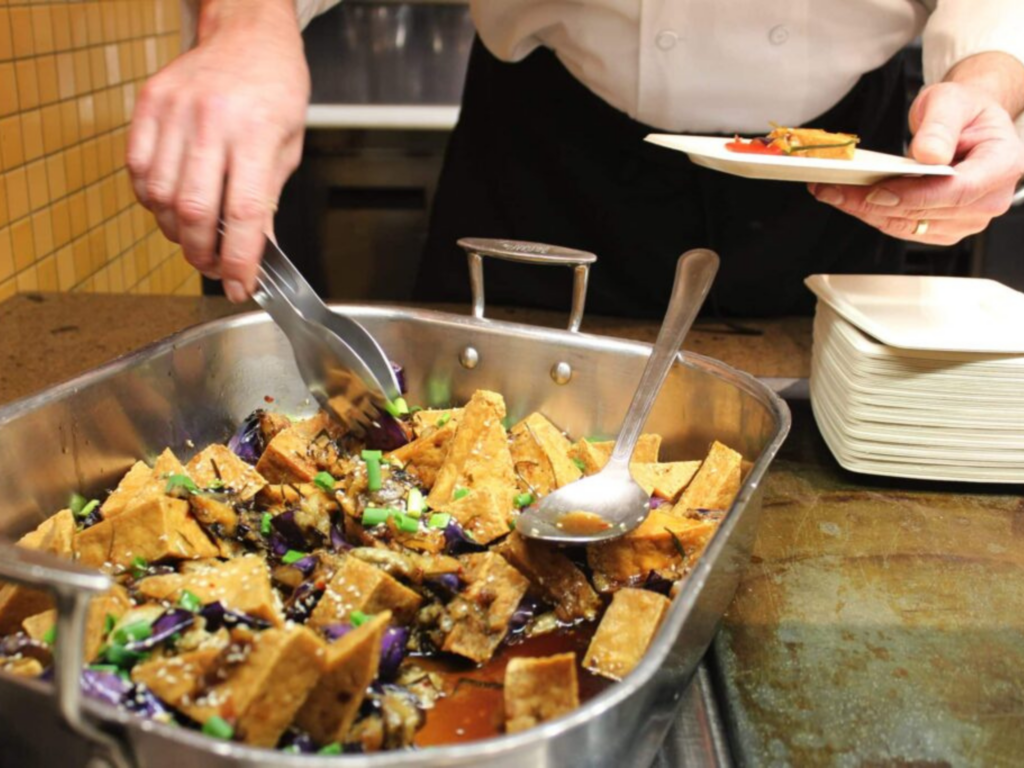
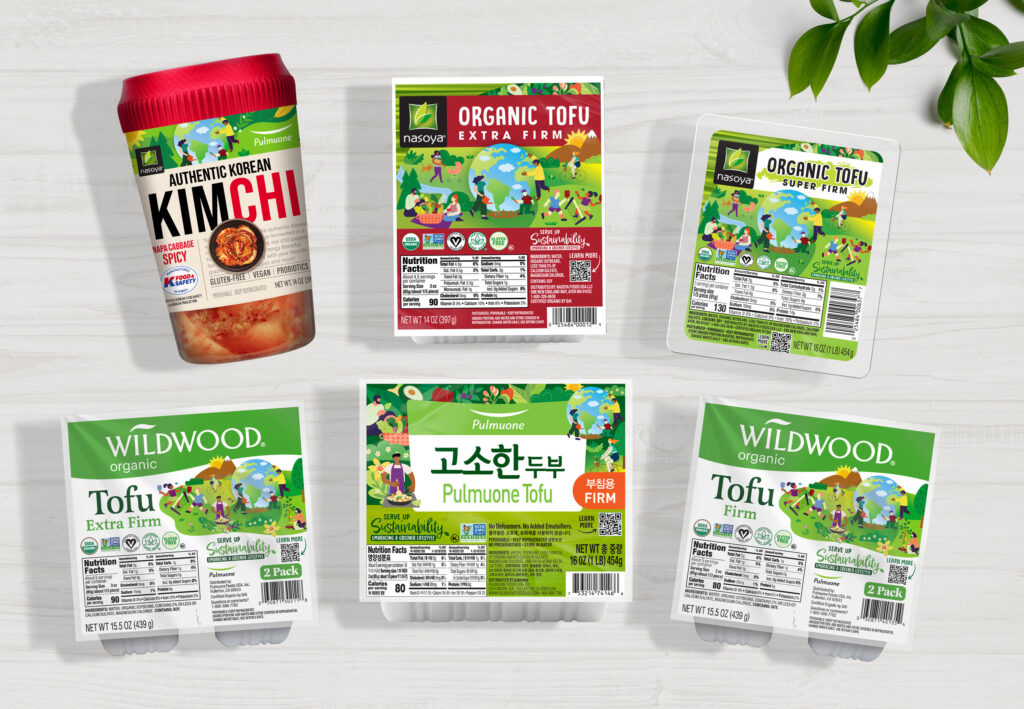
Pulmuone sells a variety of tofu products in the US, including water-packed, high-protein, pre-seasoned blocks, and silken tofu. They’re available at around 15,000 retail doors nationwide, including Walmart, Whole Foods Market, Kroger, Target, and Publix.
The water-packed tofu is its flagship product, accounting for around 70% of its tofu sales. Sales of this line totalled ₩79.9B ($52M) in May, a 24% improvement from 12 months ago, primarily due to a significant expansion via a large-scale retailer in September 2025.
The high-protein tofu, meanwhile, witnessed a 13% surge in year-on-year sales, totalling ₩19.2B ($12.5M), and pre-seasoned options tailored to American palates grew by over 9% to reach ₩8.8B ($5.7M).
The entry of Pulmuone’s silken tofu into major distributors’ private-label lines, along with strong sales in existing discounters, led to significant volume growth across the distribution network.
All this has meant that the Korean food conglomerate has maintained the number-one market share in the US tofu market for 11 consecutive years. Tofu accounts for nearly half of its US revenue, and the company has broken its own tofu sales record each year since 2021.
“As local consumer trends seeking to reduce meat consumption and consume healthier proteins spread, tofu is rapidly establishing itself as a popular food culture among American consumers,” said Cho Gil-soo, CEO of Pulmuone USA.
Pulmuone ramping up tofu production amid protein and fibre craze
The success of Pulmuone’s tofu sales comes as 79% of Americans find UPFs a “significant threat” to public health and health secretary Robert F Kennedy Jr promises to act on a petition to revoke the GRAS status of certain ultra-processed additives, despite nutritionists warning against conflating processing with nutrition.
At the same time, nearly three in five (57%) Americans plan to prioritise protein this year. Most of them are also fibre-deficient, a dietary gap that online trends like fibermaxxing are looking to fill. The rise of GLP-1 users from 10% in 2024 to 18% in 2025 has contributed to this boom.
These drugs cause a 5-40% decrease in muscle mass over 8-16 months (much more than non-medicated weight-loss approaches and age-related muscle loss). According to Innova Market Insights, 40% of GLP-1 consumers are eating more protein, and 30% more fibre.
Tofu, a minimally processed source of complete protein and high fibre, fits neatly into these trends. Pulmuone noted that it has been consistently releasing new tofu products to meet the taste and needs of Americans since acquiring the country’s top tofu brand, Nasoya, a decade ago.
Now, to keep up with demand, it is scaling up its tofu manufacturing capacity. This March, it completed the expansion of its tofu plant in Ayer, Massachusetts, establishing a hyper-line that doubled its production output to 9,000 blocks of tofu per hour.
Later this year, it plans to expand its silken tofu production facility in Fullerton, California, which will help boost its ability to supply foodservice operators, restaurant chains, and B2B customers.
“Based on our overwhelming product supply capabilities achieved through successful channel diversification centred on large discount stores and the expansion of our production infrastructure, we will further solidify our position as the number one tofu brand in the US market,” Gil-soo noted.