
In a project backed by the Novo Nordisk Foundation, scientists at the University of Copenhagen have extracted protein from rapeseed oil press cake, which could be used to make meat and dairy alternatives.
Scientists are betting on an underutilised waste product from the oil industry to sustainably meet consumers’ never-ending appetite for protein.
A team at the University of Copenhagen’s Department of Food Science has found a way to make yoghurt-like gels from one of the major rapeseed proteins, napin, potentially charting a more useful path for a protein-rich byproduct that otherwise ends up as animal feed.
The effort is part of the ongoing €8.17M Seedfood project, funded by the Novo Nordisk Foundation, which owns the eponymous pharmaceutical giant, famous for diabetes and obesity medications such as NovoRapid, Ozempic, and Wegovy.
Protein from rapeseed press cakes could fuel plant-based meat and dairy
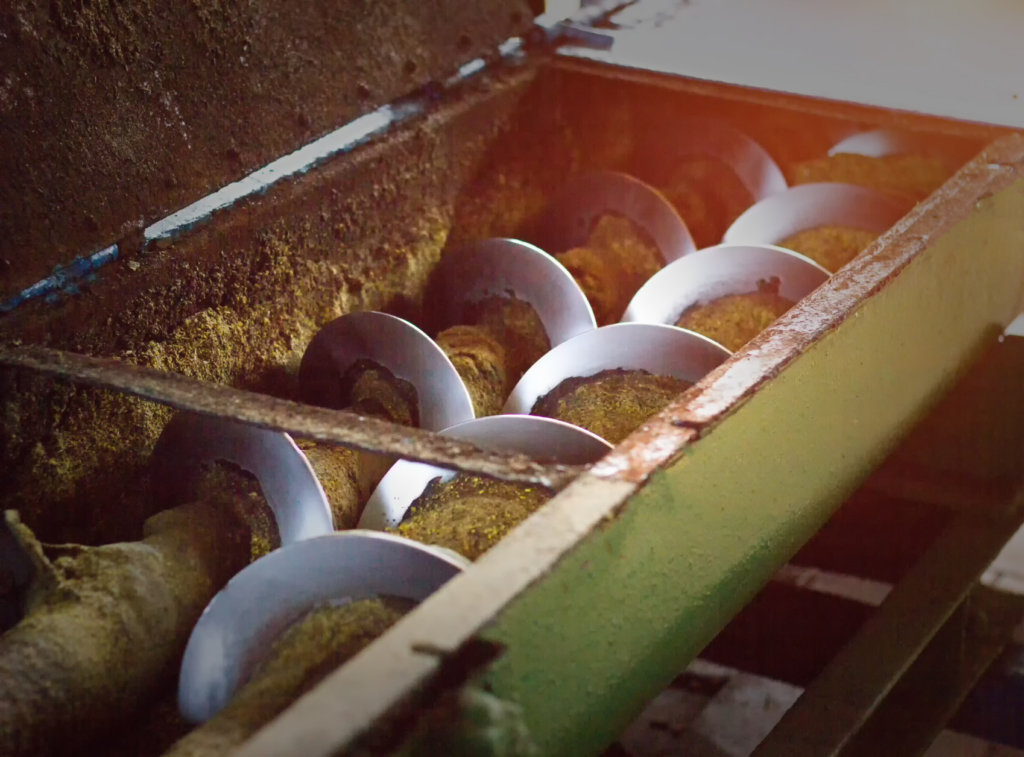
According to the study, published in Food Chemistry, rapeseed is the second-most important oil crop globally (behind soybeans), being cultivated in most parts of the world. The EU is its largest producer, harvesting around 17 megatonnes of the plant annually.
Nearly 80% of all rapeseed grown is processed into oil, leaving behind a press cake that is mostly used for animal feed. This byproduct is highly nutritious, with a favourable essential amino acid profile. Rapeseed contains two storage proteins, napin and cruciferin, which account for 20% and 60% of its mature protein content, respectively.
The University of Copenhagen’s research was focused on napin. The researchers developed a method to replace one amino acid in a protein with another using an enzyme, which altered the protein’s charge and enabled it to gel under acidic conditions.
“Napin is really an interesting protein with good nutritional value, but its use for food is often challenged by its properties. This protein is highly rich in the amino acid, glutamine, so we converted the glutamines to glutamates,” said Shivani Karalia, lead author of the study.
“An impactful outcome was that napin, which is known for its poor gelation properties, can now form a gel at food-relevant pH values. For sure, this is incredibly fascinating to see how tailoring the proteins can help in developing the future of food.”
The process increases its potential as a food ingredient in products like plant-based meat or dairy-free yoghurt. By transforming rapeseed cake into human food rather than livestock feed, the project could help accelerate the protein transition.
Seedfood project digs deep into rapeseed’s protein potential
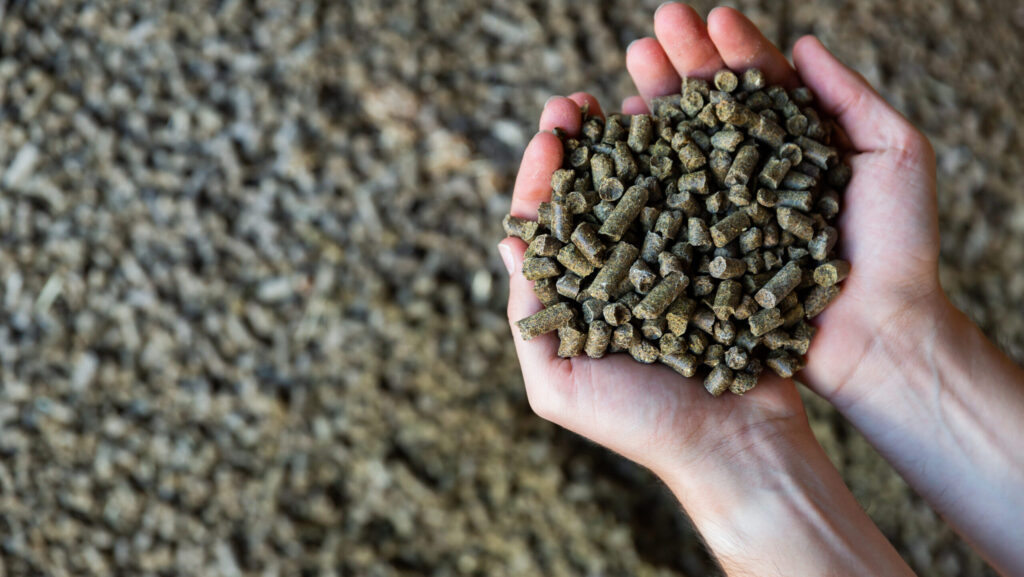
The five-year Seedfood project was kickstarted in 2022 with a grant from the Novo Nordisk Foundation’s Foundation’s Challenge Programme, based on the thesis that the conversion of global rapeseed cake production into protein isolates could cover the protein requirements of 700 million people.
The initiative seeks to remove antinutrients from rapeseed protein, develop food-grade protein modifications with improved functionality and palatability, and explore interactions between plant proteins and other molecules in food matrices to tailor the required functionalities.
Seedfood runs on four broad themes. The first two are led by the University of Denmark, and involve using gentle technologies to generate native napi and cruciferin isolates with reduced levels of unpalatable and antinutritional compounds, and leveraging enzymes and UV light to modify rapeseed protein structures and physical properties (like solubility) to enhance functionality.
Another stream, spearheaded by the Technical University of Denmark (DTU), focuses on studying the structure, stability, solubility and molecular interactions of the two native proteins to design functionalities and enhance their desirability for food applications.
The final theme covers the development of functional protein blocks, the exploration of how native and modified rapeseed protein isolates create food structures – such as gels, emulsions, and protein-rich solutions with high colloidal stability – and the enhancement of palatability by understanding how these proteins contribute to bitterness. This effort is being led by the University of Le Mans.
Protein diversification key for climate goals
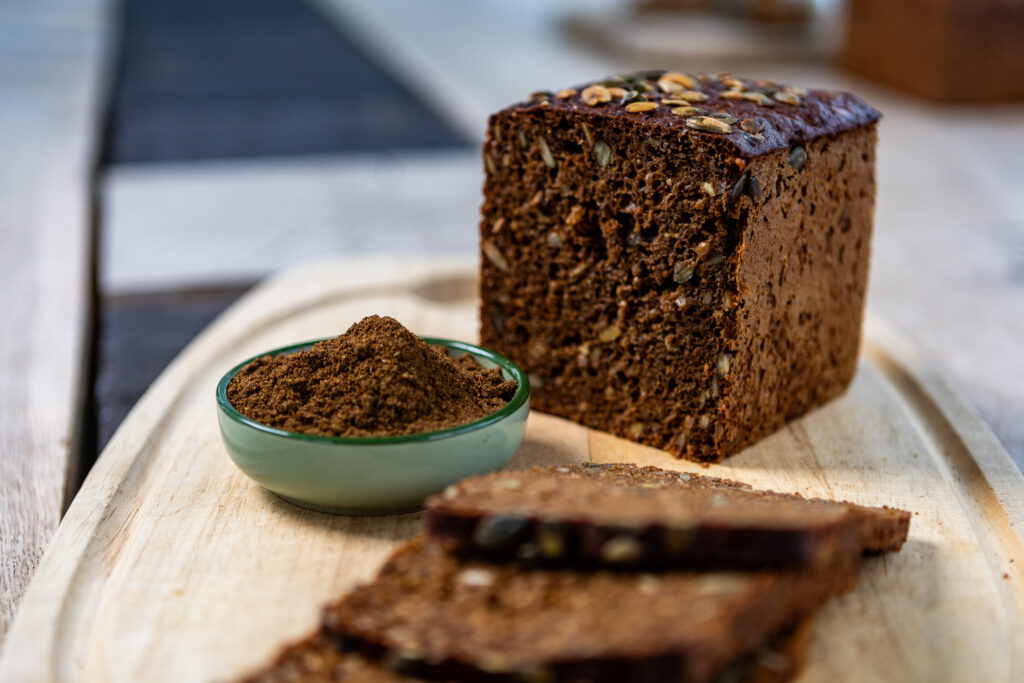
Rapeseed cake is already being commercialised as an ingredient in the EU by Danish startup Ferm Food, which received novel food approval last year to sell the innovation for use in bread, cakes, pâté, sausages, and other plant-based products.
“We’re not bringing a product to the market tomorrow. This is fundamental research. But it’s an important step towards making plant-based proteins that are sustainable, functional and appealing, and in different products,” said Marianne Nissen Lund, senior author of the new study.
The University of Denmark’s latest breakthrough comes amid growing calls for protein diversification in the EU, where animal agriculture accounts for 81-86% of food-related greenhouse gas emissions, even though it supplies only 32% of calories and 64% of protein intake.
The bloc’s scientific advisory board has asked policymakers to promote a shift from meat-heavy diets to plant-rich eating to achieve the EU’s climate ambitions, alongside a tax on farm pollution and the elimination of subsidies that promote planet-harming livestock agriculture. Last year, the European Commission committed to creating a protein diversification strategy.
Denmark has been leading the way. It promoted meat reduction in favour of plants in its updated dietary guidelines, established a $96M fund to advance the plant-based sector, became the first country to create a national plan for plant-based foods, and passed a Green Deal that imposed the world’s first carbon tax on meat and dairy farming and added at least another $60M to the plant-based fund.
Novo Nordisk Foundation has been investing heavily in the future of food. It has co-funded the Acetate Consortium with the Gates Foundation, totaling nearly $55M. It has also set up the Novo Nordisk Foundation Biotechnology Research Institute for the Green Transition at DTU, which is working with Novonesis and LanzaTech on separate projects to convert waste carbon into high-value products.