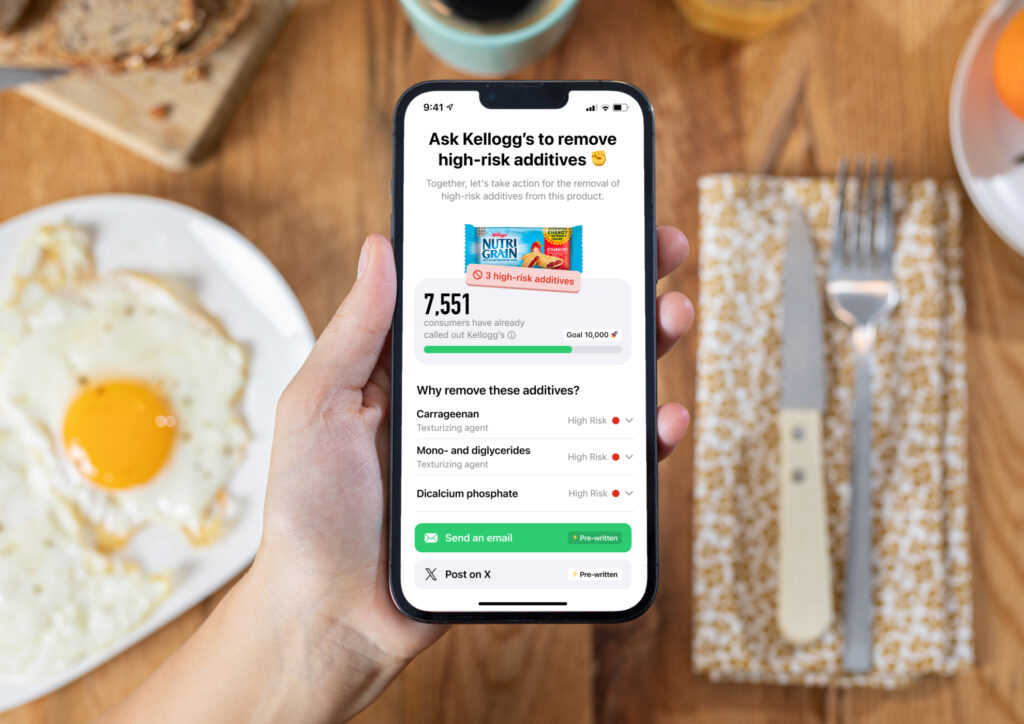
Product-scanning app Yuka and watchdog group Consumer Reports have petitioned the US FDA to better regulate food additives and scrap the self-affirmed GRAS pathway.
As the war against food additives heats up, two consumer advocacy platforms have joined calls to end a rule that enables companies to self-determine their ingredients as safe in the US.
The Food and Drug Administration’s (FDA) Generally Recognized as Safe (GRAS) regulation contains a provision under which new food ingredients don’t legally require FDA review – instead, manufacturers only need to conduct a safety assessment by a scientific panel, which can include both internal and external experts.
This rule has been criticised by some health experts, including the FDA’s own former commissioner, as well as state and federal policymakers alike, amid growing concerns around ultra-processed food.
Now, product-scanning app Yuka and watchdog group Consumer Reports are urging the FDA to tighten regulation of food additives and close the GRAS “loophole”, after their investigation found that 25 out of 40 popular food and drink products contain at least one additive at levels identified as concerning by peer-reviewed research.
“Americans shouldn’t need a chemistry degree to eat safely – but today, no one, not even the FDA, can say exactly what’s in our food,” reads the organisations’ petition, which has already surpassed its goal of 35,000 signatures.
“It’s time to close the loopholes, set strong limits on high-risk additives already in our food supply, and then regularly re-evaluate their safety based on the latest scientific evidence.”
Why food additives and UPFs have become a bone of contention
Since producers choosing the self-affirmation pathway don’t need to notify the FDA or disclose the information publicly, they can maintain confidentiality around proprietary information and trade secrets.
It’s also a cheaper, easier, and faster way to get to market – the FDA only evaluates around 75 GRAS notices a year, and the mean time for each approval is over 160 days.
However, critics argue the rule allows companies to make their own safety assessments independently of the FDA. David Kessler, who headed the agency from 1990 to 1997, introduced a citizen petition asking it to revoke the food safety status of certain additives that fall under the ultra-processed food (UPF) category.
The petition targets “processed refined carbohydrates”, which include refined sweeteners, flours, starches and additives like corn syrups, tapioca starch, and methylcellulose. One study last year showed that additives in UPFs could increase the risk of early death, although academics questioned the research’s methodology.
UPFs, in general, are a bone of contention among health experts, with many pointing out that the level of processing should not be conflated with a product’s nutritional value. For instance, whole-grain bread and fortified soy milk are both classed as UPFs, but so are a bottle of Coke and a pack of Oreos.
In Consumer Reports and Yuka’s investigation, which ran over a year, a quarter of products contained additive amounts in a single serving that exceeded daily safety levels identified by US or European health agencies.
For example, five products featured excessive concentrations of Red 40, a petroleum-based food dye linked to hyperactivity in children and requiring warning labels in the EU. And one product has “extremely high levels” of titanium dioxide, which is prohibited as a food additive in the EU due to genotoxicity concerns.
And while none of the 21 products with artificial sweeteners exceeded safety levels set by health departments, 19 contained enough to exceed broader levels of concern in recent epidemiological studies that linked them to adverse health outcomes, including cancer, cardiovascular disease, and type 2 diabetes.
“Families deserve clear protections – not hidden risks in everyday snacks. Until regulators catch up with the science, Americans will continue to be exposed to potentially harmful substances without their knowledge or consent,” the petition states.
Yuka and Consumer Reports ask FDA to improve additive regulation
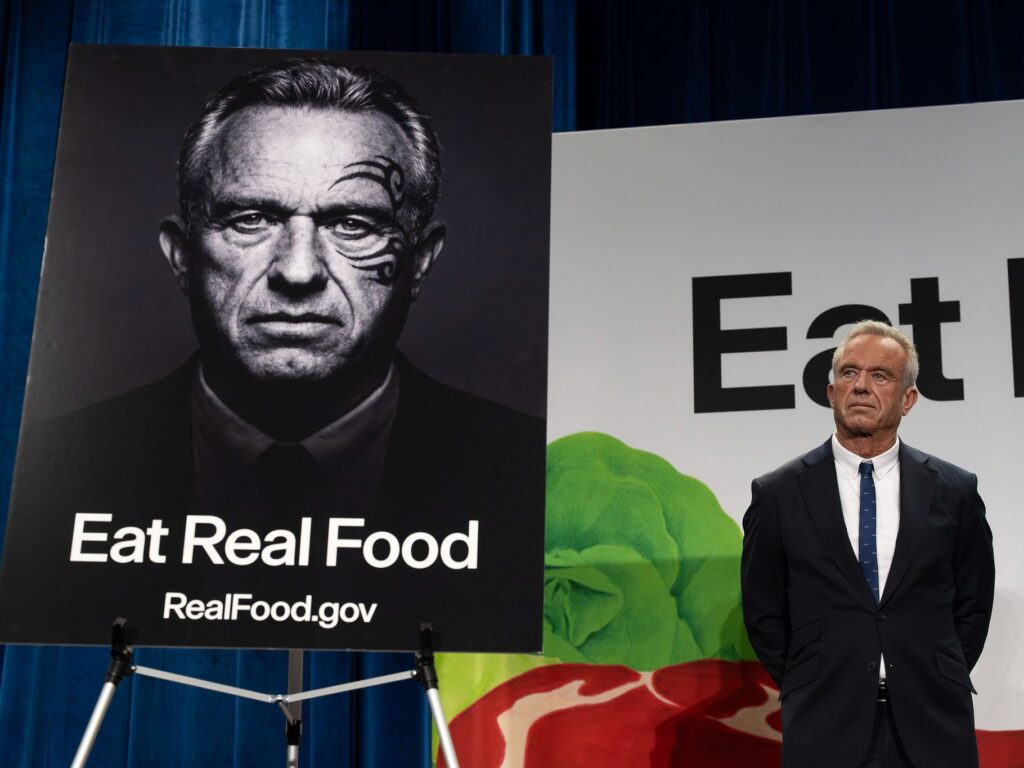
RFK Jr has promised to act on Kessler’s calls to take away the GRAS status of certain ultra-processed additives, since 79% of Americans find UPFs a “significant threat” to public health. In fact, 69% check labels to avoid highly processed ingredients, and 80% prefer familiar ingredients over artificial additives.
“The FDA’s current approach falls short, and consumers deserve better: stronger oversight, regular safety reassessments, greater transparency, and a food system that truly puts health first,” Yuka founder and CEO Julie Chapon said in a LinkedIn post.
“That’s why we’re taking a stand. This petition outlines five key demands that we believe would mark an important step toward a safer food system, for ourselves, our children, and future generations.”
For starters, Yuka and Consumer Reports say the FDA should establish a clear, transparent and public risk assessment methodology for food additives, including safe daily intake levels. It must also regularly and proactively reassess the food safety of these ingredients in light of scientific advances.
In addition, the agency must better regulate the use of additives in specific categories by strengthening oversight of how they’re incorporated into different products. “An additive in decorative frosting consumed on special occasions does not raise the same level of concern as the same additive found in breakfast cereals consumed daily,” the petition notes.
Moreover, risk assessments should better account for children’s specific vulnerabilities, including their dietary habits, lower body weight, and increased susceptibility to certain health effects.
Finally, the two platforms are asking the FDA to eliminate the self-affirmed GRAS rule. “New food additives should not be permitted on the market unless a comprehensive and independent quantitative risk assessment has been conducted by experts appointed by the agency,” they write.
RFK Jr has spearheaded the government’s push to scrap the self-determination pathway, and the FDA has drafted a proposal to do away with this provision, which is currently under review.
Meanwhile, New York’s Senate and Assembly have both passed a bill mandating that companies report to their regulators any ingredients they have self-determined as GRAS. And lawmakers in California, New Jersey and Pennsylvania are considering legislation that would give state officials the authority to conduct safety assessments for GRAS substances independent of the FDA.