
Jennifer Oliver is the Director of Operations at Switch4Good, focused on building the operational infrastructure that enables plant-based advocacy to move from strategy into execution at scale. She led the operational implementation of The Justice Tour, a multi-city initiative delivering plant-based education directly into schools and communities across the United States.
In this piece, Jennifer argues that ethical movements and plant-based advocacy cannot succeed on passion alone, and draws on her experience leading the operational rollout of The Justice Tour to make the case that disciplined execution, logistics, and community engagement are just as essential as vision and messaging.
When most people think about advocacy campaigns, social justice movements, or the historic passage of a bill into law, they picture the public-facing moments: the speeches, rallies, legislation, viral headlines, and social media campaigns. What they rarely see is the operational machinery required to turn a mission into a measurable impact.
As Director of Operations for Switch4Good, I have seen firsthand that ethical movements and plant-based advocacy succeed not only because of passion, but because of disciplined execution, infrastructure, and operational leadership rooted in community engagement; in our case, that work was carried out through the implementation of The Justice Tour.
The passage of federal bill S-222 was only the first step in a much larger mission: giving children greater freedom of choice on the school lunch tray. Once the legislation was passed, the real work began.
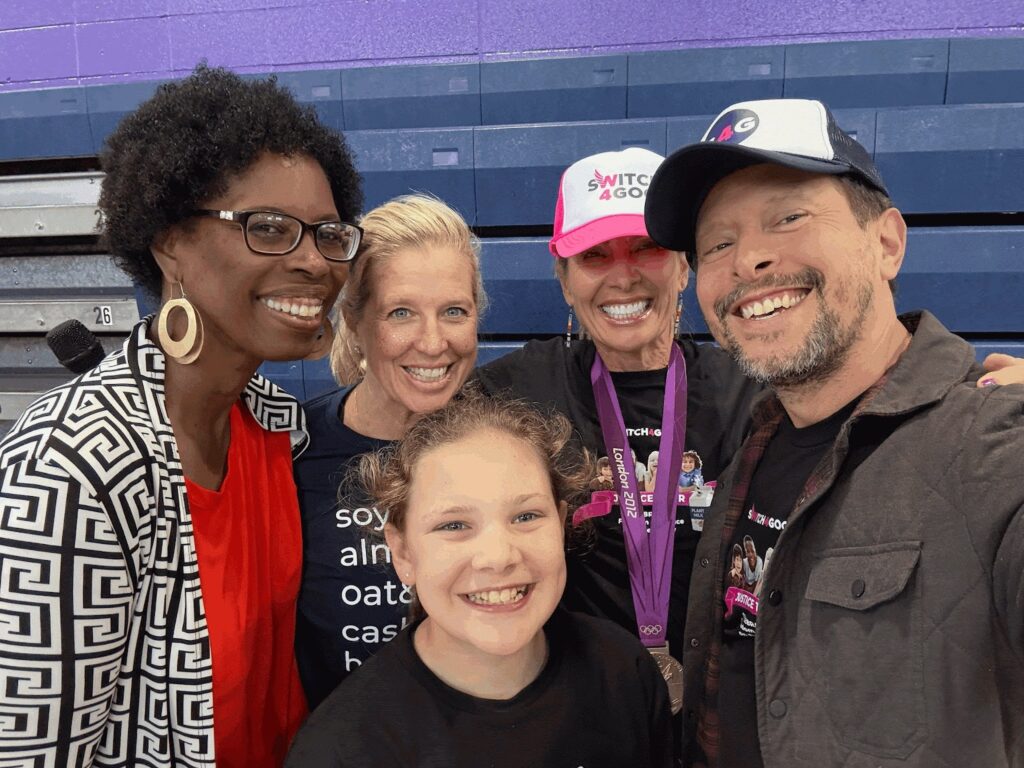
Before we ever stepped foot on a campus or contacted a school district, the operational foundation for the Tour was already underway. Donor pitch decks were being developed, presentations drafted, staffing coordinated, and lodging and transportation logistics secured. At the same time, outreach to school districts began through countless calls, emails, and scheduling conversations to build a workable tour calendar across multiple communities.
Much of this work happens behind the scenes and often goes unseen by donors and supporters, even though it is essential to the success of the mission. Every successful event depended on operational precision: airport pickups, transportation routing to ensure on-time arrivals, venue setup, presentation implementation, rapid breakdowns, and immediate departures to the next location. Equally important was ensuring staff remained rested, supported, and prepared through consecutive days on tour.
In mission-driven work, operational excellence is not secondary to advocacy—it is what makes meaningful community engagement possible. Without the infrastructure, staffing, and donor support required to sustain these efforts, even the strongest message struggles to create lasting impact.
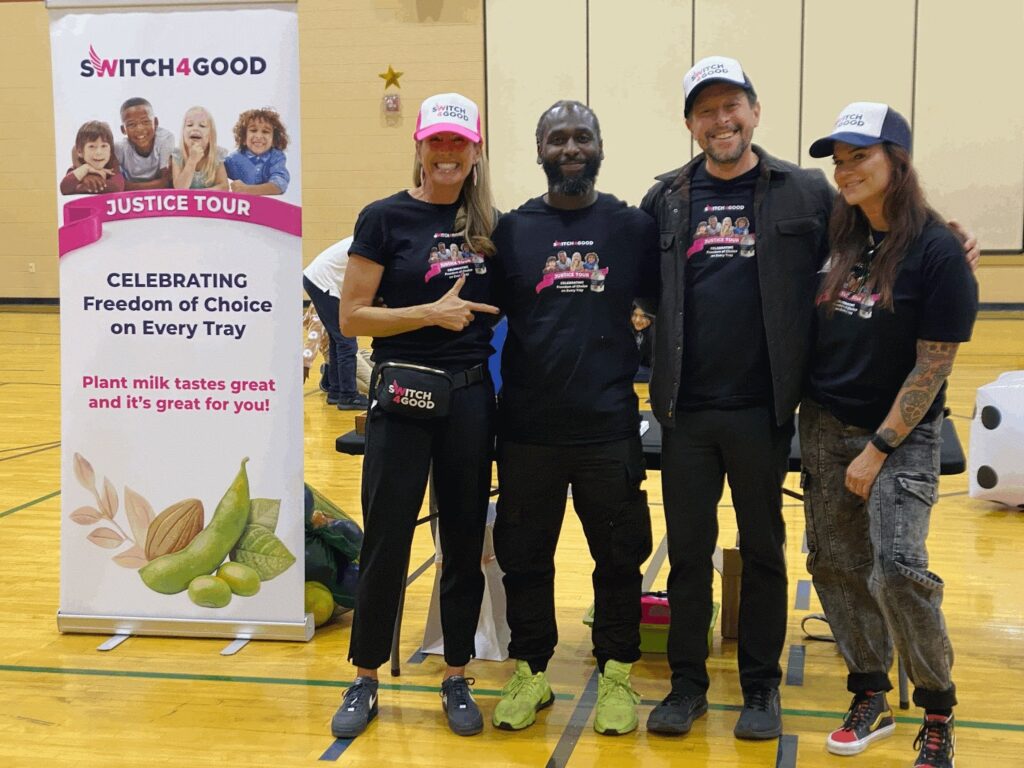
Passing legislation or achieving a policy victory is only the beginning. Real impact happens afterward—in communities, schools, restaurants, grocery stores, and households where habits are formed, and decisions are repeated daily. Changing laws can open doors, but changing behavior requires ongoing engagement, education, accessibility, and trust-building over time.
That is why community engagement is no longer simply a communications strategy; it is a competitive advantage. Organizations that genuinely connect with people where they are through authentic experiences, local partnerships, and ongoing dialogue build resilience and trust that no marketing campaign alone can replicate.
The future of ethical advocacy will belong to organizations capable of combining vision with execution. That means investing not only in messaging, but also in logistics, staffing, training, technology, partnerships, and operational systems that can support growth without compromising mission integrity.
Movements need operators just as much as they need visionaries. Execution is what determines whether values become a lasting impact.