Canada’s Phytokana Ingredients has secured C$450M ($330M) in offtake agreements for its fava bean products, supporting its planned commercial-scale facility in Alberta.
In a major vote of confidence for its fava bean products, Canadian firm Phytokana Ingredients has obtained definitive long-term offtake agreements cumulatively representing revenues of C$450M ($330M).
The deals involve both domestic and overseas companies, with contracts spanning three to 10 years. When combined with additional MoUs, the fava bean specialist’s total potential sales exceed $500M (around $365M).
These commitments provide “strong forward demand visibility” and underpin Phytokana’s planned dry fractionation facility in Strathmore, Alberta, which will process 30,000 tonnes of fava beans annually into protein concentrates and high-protein flours.
“Securing long-term offtake agreements at this stage is a strong validation of both product performance and our commercial strategy,” said Phytokana founder and CEO Chris Theal.
“Our customers span the globe, and the diversity of their food and beverage applications reflects the versatility of our plant-based ingredients,” he added.
Fava bean proteins and flours fit into wide range of applications
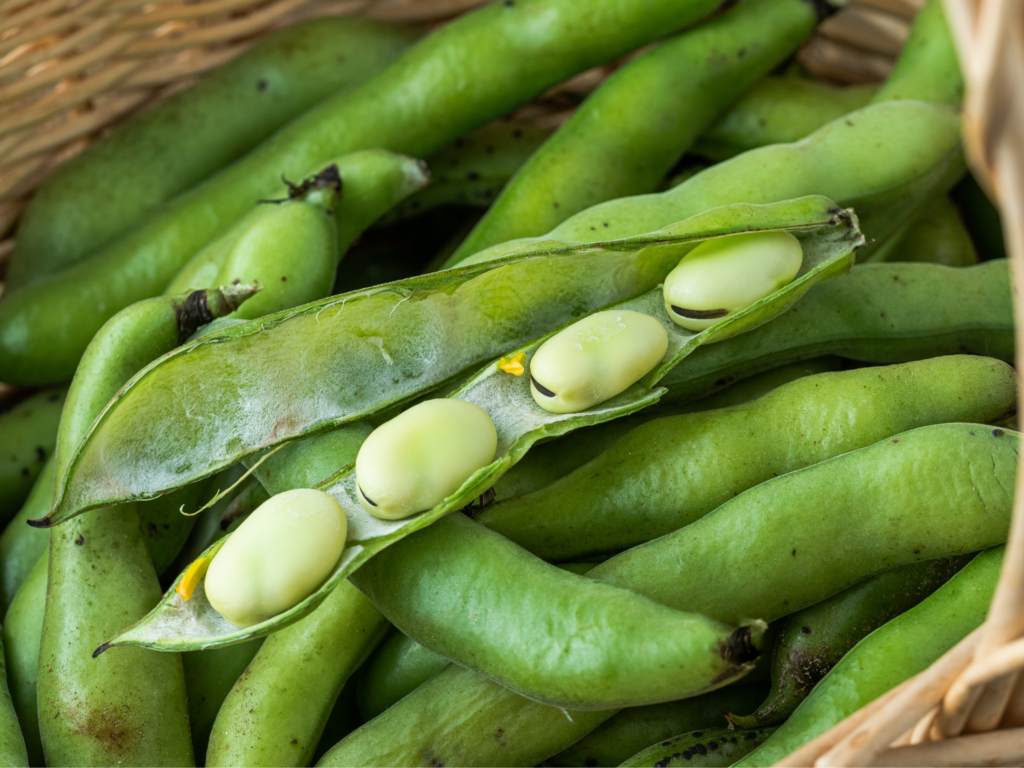
Founded in 2021 in Alberta, Phytokana uses heat- and chemical-free technology to process novel fava bean varieties into a protein concentrate, starch flour, and fava flour with enhanced taste, texture and nutrition. These are said to retain their natural functionality for use in a range of better-for-you applications.
“From plant-based meats and alternative dairy to fortified baked goods and snack foods, our ingredients are enabling innovation across the food industry,” said Theal.
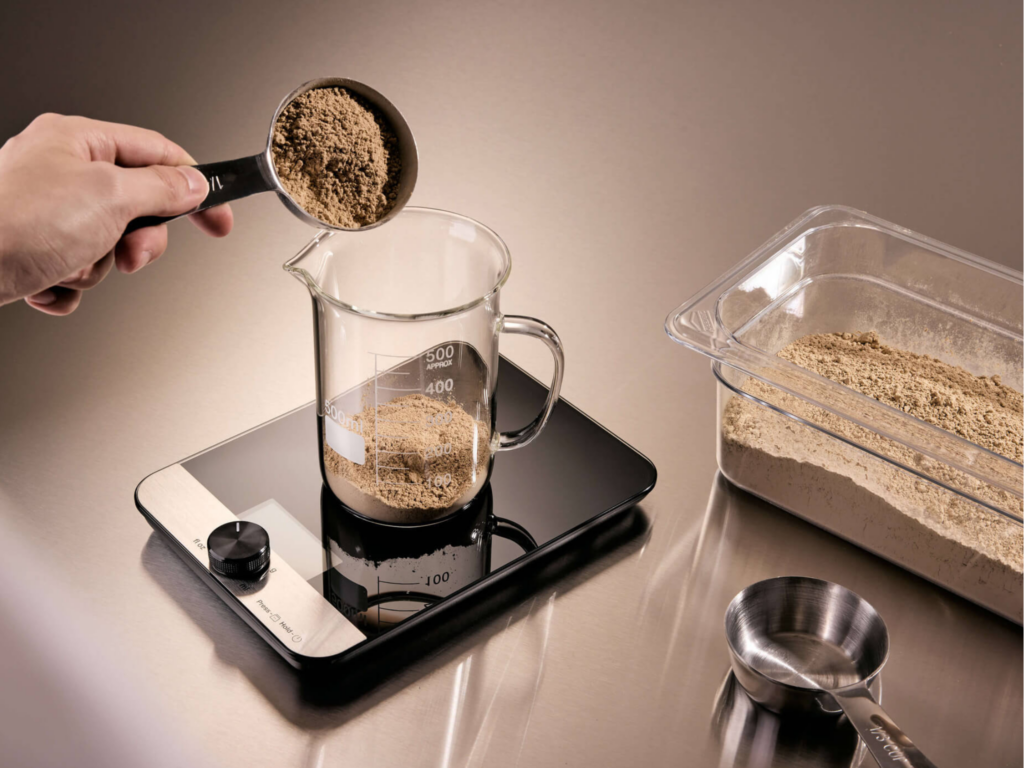
The fava protein concentrate has 70% protein and 12% dietary fibre, a mild taste profile, and good emulsifying and gelation capacities, making it suitable for use in meat and dairy alternatives, breads and bakery products.
Phytokana’s fava bean flour contains 32-36% protein and 21% fibre, and is meant for the bakery industry. The starch-rich flour, meanwhile, boasts 18-20% protein content and oil- and water-binding properties, so it’s ideal for gluten-free and extruded products.
Among the regions Phytokana sources its fava beans from are Alberta’s brown, dark brown, and black chernozemic soils, where environmental conditions are ideally suited for irrigated and dry-land pulse production. It selects varieties with superior agronomics, yield, and ingredient functionality.
The startup is working with several universities in Canada to analyse new fava bean varieties and develop processes that can ensure superior sensory, functional and nutritional properties.
It’s conducting a study with the University of Alberto to explore the protein composition, functionality, and taste profile of faba bean across different genotypes, and is also exploring extrusion recipes with the University of Manitoba. The company has also sponsored a student project to develop functional plant-based milk at the University of Guelph.
Phytokana and Maia Farms creating next-gen proteins in government-backed project
Last year, the startup kicked off a product development project with Canadian food tech startup Maia Farms, which will create myelium proteins by upcycling Phytokana’s fava bean byproducts as fermentation media components.
The initiative is backed by C$32.5M ($24M) in funding from Protein Industries Canada, an innovation cluster of the government, and industry partners.
“Together, we have demonstrated that our fermentation process can become more cost-effective and produce a superior end product. As part of the funding, we will increase our capacity to test agricultural residuals at commercial scale,” Maia Farms co-founder and CEO Gavin Schneider told Green Queen in January.
Phytokana said the new offtake agreements highlight a “differentiated approach to commercial execution” within the plant-based ingredient sector, and position the company to supply high-quality concentrates and flours to global markets.
“As we advance Alberta’s first commercial-scale dry fractionation facility, we are proud to contribute to more resilient, sustainable, and secure food supply chains worldwide,” said Theal.
“These definitive offtake agreements are a cornerstone achievement for the company and a clear demonstration of disciplined execution by our team. In a complex geopolitical and capital environment, we have built credibility through innovation, strong customer collaboration, and a focused vision for better-for-you ingredients,” noted Phytokana chairman Vincent Chahley.
He added: “The level of contracted demand we have secured significantly de-risks the path to commercialisation and reinforces the strength of our partnerships and long-term strategy.”