Better Juice, a startup that uses microbial enzymes to turn fruit sugars into dietary fibre and non-digestible molecules, has been acquired by Dutch juice giant Prodalim.
The number-one ingredient Americans want to avoid this year is, by far, sugar.
A 3,000-person survey by tech publication The New Consumer and VC firm Coefficient Capital this year revealed that 45% of consumers want to lower their sugar intake – for context, that’s more than the number of participants who said they were looking to boost their protein intake (29%).
So while proteinmaxxing is in full swing, sugar-cutting is just as big a trend in the food and beverage world, especially in an industry inundated with GLP-1 drugs.
It’s why a host of startups are making novel alternative sweeteners or using technology to naturally reduce the sugar content in consumables. Better Juice is one of them – it has developed a device that lowers sugar in fruit products by 80% by converting it into dietary fibre and non-digestible molecules.
The Israeli firm has now been snapped up by Dutch juice leader Prodalim, which will accelerate the technology’s launch in the US market and implement a new production line at Prodalim’s Florida facility. Better Juice co-founder Gali Yarom is now heading the sugar reduction business unit at Prodalim.
“By combining [Better Juice’s] capability with Prodalim’s global juice solutions, specialty ingredients, and beverage innovation platform, we are expanding the way we support customers across beverages and adjacent food categories such as dairy, frozen desserts, and confectionery,” Prodalim said in a LinkedIn post.
Better Juice can lower sugar by 80% and calories by 60%
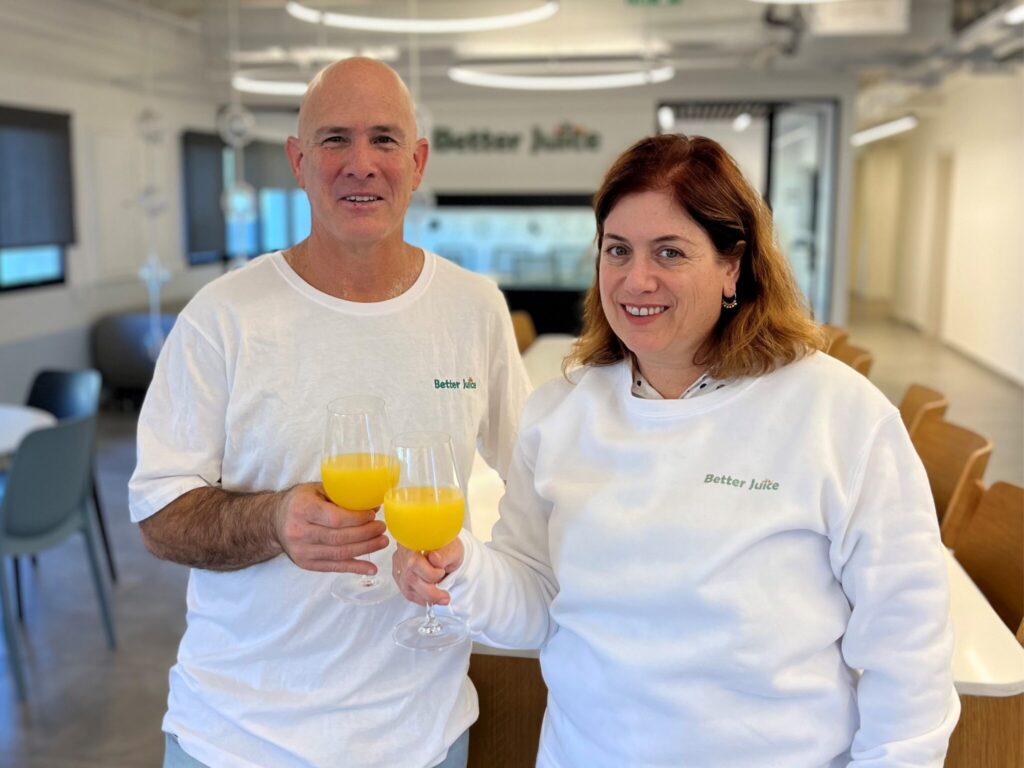
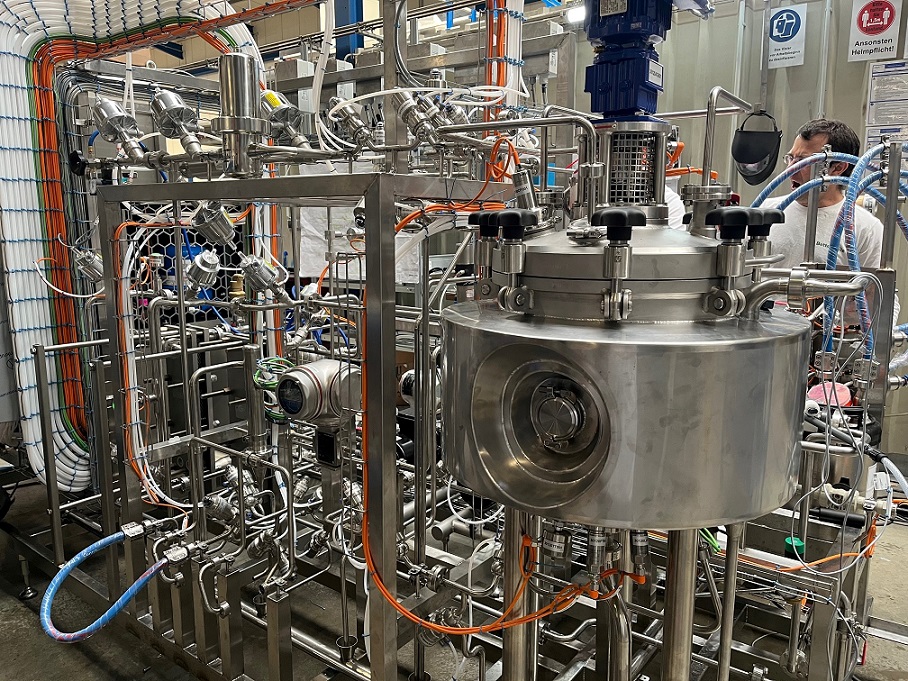
An alumnus of The Kitchen Foodtech Hub, Better Juice uses microbial enzymes to convert fruit sugars into non-digestible components. It employs specialised equipment – including fermenters and immobilisation processors – to grow and harvest the beaded microorganisms that produce the sugar-reducing enzymes.
The device is inserted as a simple pass-through step, making it accessible and adaptable for a range of manufacturers. To cut the sugar content, products flow through the immobilised microbes, which contain active enzymes that bioconvert sugar molecules to non-digestible molecules.
Sucrose turns into dietary fibre, glucose becomes gluconic acid, and fructose is converted into sorbitol. Each fruit has a different ratio of these sugars, so the amount reduced depends on its composition.
Oranges, mangoes, and pineapples have high sucrose content, so 50% of their sugars end up as dietary fibre. In apples and berries, which have low sucrose levels, only 10-20% turns into fibre.
The tech enables calorie reduction by up to 60%, while retaining the flavour and body of fruit juice and only lowering the perceived sweetness factor slightly. It also maintains the natural micronutrient profile, and allows companies to customise which molecules to convert, providing them with a solution that doesn’t rely on artificial sweeteners or sugar substitutes.
“As regulatory and consumer pressure around sugar continues to rise, brands are looking for solutions that reduce sugar without compromising taste, texture, or authenticity,” said Prodalim.
Sugar reduction gains momentum amid GLP-1 buzz
Better Juice’s technology has been granted patents in at least eight regions, including the US, where it obtained self-affirmed Generally Recognized as Safe (GRAS) status in 2024. But this regulatory rule is under threat, and the firm has previously said it would notify the Food and Drug Administration in pursuit of full approval via a ‘no questions’ letter.
Beyond juices and beverages, Better Juice’s enzymatic sugar-reduction approach can support the development of better-for-you products in confectionery, dairy and other categories where cutting sugar has been difficult to achieve without impacting sensory quality.
The acquisition reflects Prodalim’s focus on vertically integrated ingredient solutions, and expands its capabilities across taste, functionality, processing innovation, natural sugar reduction, and high-value, better-for-you ingredients.
The Dutch company has reorganised its operations into three divisions: juice solutions (covering sourcing, logistics, formulation and blending for juice producers), specialty ingredients and solutions (delivering functional ingredients supported by in-house R&D), and Solos (a patent-based de-alcoholisation platform serving the low- and no-ABV segment).
Prodalim will begin operating a new manufacturing line in the second half of this year, and broaden the application range and commercial impact of Better Juice’s technology. The latter’s Tel Aviv facility can already process over 250 million litres of juice annually.
It comes amid the boom in GLP-1 use in the US. According to Innova Market Insights, the share of Americans using Ozempic, Mounjaro and other weight-loss drugs rose from 10% in 2024 to 18% in 2025. Previous research shows that two-thirds of these consumers have reduced or quit their intake of sugary sodas, and 45% are consuming less sugar than before.
Nearly three-quarters (72%) of US adults are overweight or obese, and 12% have diabetes (mainly type 2). It’s why sugar reduction and sweet protein startups are gaining ground, with the FDA approving sweet proteins by Oobli, Amai Proteins, and MycoTechnology in recent months. Elsewhere, Lithuania’s Pentasweet is building a $76M precision fermentation facility to produce sweet proteins.