
A pooled analysis of 12 prospective cohort studies published in BMJ Nutrition Prevention & Health has found that higher consumption of legumes and soy foods is associated with a substantially reduced risk of developing high blood pressure, with specific daily intake thresholds identified for each food group.
The analysis, which drew on data from over 309,000 participants across studies in the United States, Asia, and Europe, found that people with high legume intake were 16% less likely to develop hypertension compared to those with low intake. For soy, the risk reduction was 19%.
Dose-response findings
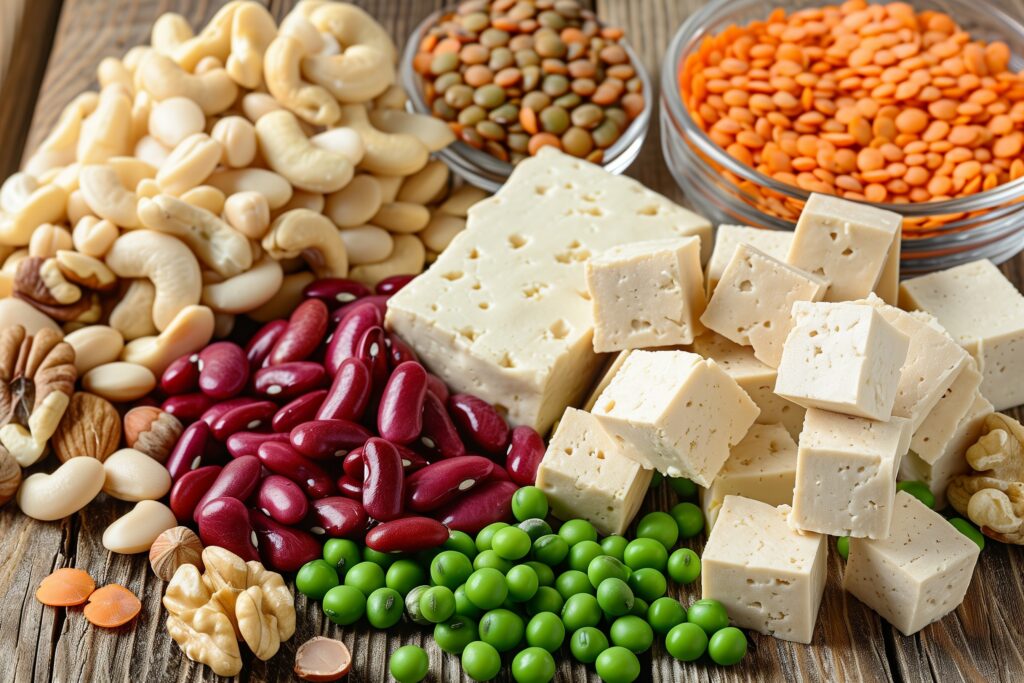
The research also mapped out a dose-response relationship. For legumes including beans, lentils, chickpeas, and peas, risk decreased in a roughly linear pattern up to approximately 170 g per day, with a 30% reduction in risk at that level. For soy foods such as tofu, edamame, tempeh, and miso, the benefit plateaued at an intake of 60 to 80 g per day, delivering a 28 to 29% reduction in risk, with no additional benefit observed at higher amounts.
One hundred grams of either food group corresponds to roughly one cup or five to six tablespoons of cooked product, or a palm-sized serving of tofu.
Using World Cancer Research Fund grading criteria, the researchers rated the likelihood of a causal relationship as “probable” for both legumes and soy.
Gap between current intakes and targets
The findings carry particular weight given how far actual consumption falls below the thresholds identified. Average legume intake across Europe and the UK currently sits at just 8 to 15 g per day, a fraction of the 65 to 100 g per day recommended for cardiovascular health under existing European dietary guidelines, and well below the 75 g per day target set by the 2025 EAT-Lancet Commission.
Mechanisms under investigation
The researchers point to several plausible biological pathways. Both legumes and soy are rich in potassium, magnesium, and dietary fibre, each associated with lower blood pressure. Fermentation of soluble fibre from legumes and soy appears to generate short-chain fatty acids that influence blood vessel dilation through nitric oxide signalling. Soy’s isoflavone content has also shown blood pressure-lowering effects in separate randomised trials.
The study is the first meta-analysis to specifically examine soy food intake, as distinct from soy protein isolates or isoflavone supplements, and its association with hypertension incidence.
Commenting on the findings, Professor Sumantra Ray, chief scientist and executive director of the NNEdPro Global Institute for Food, Nutrition and Health, which co-owns the journal, said: “The strengths of the study lie in its rigorous dose-response analyses, which offer practical dietary targets for use in public health guidelines and clinical practice.”