
A new study detecting mycotoxins in plant-based products made headlines this week, but the coverage omitted context that significantly changes the picture.
The study, published in the journal Food Control by researchers at the University of Parma, the University of Valencia, and Cranfield University, tested 212 plant-based meat alternatives and plant-based beverages purchased from UK supermarkets. All tested products contained at least one of 19 mycotoxins screened, and many contained more than one. The finding generated widespread coverage, with headlines describing the results as alarming. What those headlines generally left out is equally important.
All detected levels were below EU safety thresholds
The study’s own authors are clear on this point: every mycotoxin level detected remained below the maximum levels set under EU regulations. The researchers described this as evidence of the UK food industry’s high-quality standards.
Andrea Patriarca, Senior Lecturer in Mycology at Cranfield University and a co-author of the paper, stated: “Mycotoxins occur naturally in foods and cannot be completely avoided. As consumers, we should not be frightened or deterred from enjoying a variety of products.”
Detecting a contaminant and detecting a dangerous level of it are different findings. Much of the coverage conflated the two.

Mycotoxins are not a plant-based food issue
The framing across much of the coverage suggested that mycotoxin exposure is a specific risk of vegan or plant-based diets. But broader scientific literature does not support that framing.
Mycotoxins are produced by fungi that colonize agricultural crops, particularly grains, legumes, cereals, and seeds, during cultivation, harvesting, and storage. This affects agriculture across the board. According to a review published in Food and Chemical Toxicology, human exposure to mycotoxins can occur not only through plant-derived foods directly, but also through “the carry-over of mycotoxins and their metabolites in animal products such as milk, meat and fish” when animals consume contaminated feed. The same review, which examined a decade of evidence, concluded that aflatoxin M1 predominates in milk and dairy products, while ochratoxin A predominates in meat by-products.
The European Food Safety Authority (EFSA) explicitly monitors mycotoxin carry-over from animal feed to foods of animal origin as part of its standard risk assessment work, recognizing that the issue extends well beyond plant-based categories.
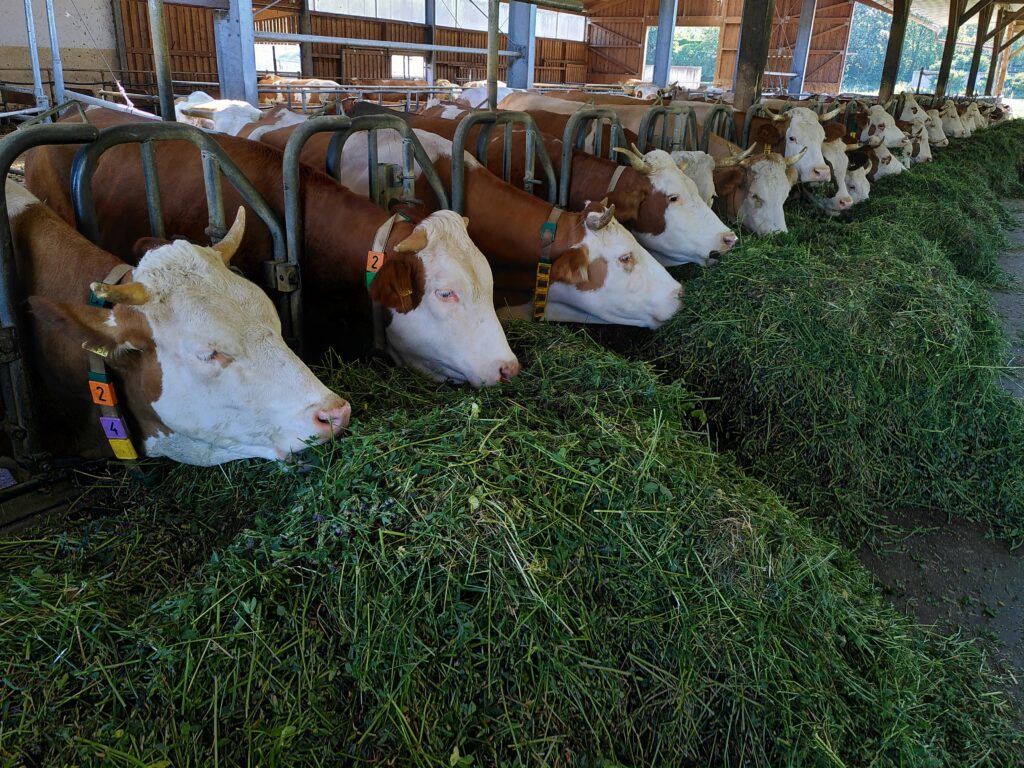
A 2021 review in Processes documented that meat and meat products can be contaminated with mycotoxins through multiple routes, including via contaminated spices and other raw materials, molds present on the surface of cured products, and carry-over from animals fed contaminated grain. Research published in PMC in 2025 found mycotoxin residues in chicken breast muscle and liver tissue in animals exposed to contaminated feed, with some compounds accumulating in the liver at measurable concentrations.
The Vegan Society noted the same omission in a statement, written by registered dietitian Amber Woodhouse: “There is no mention in the study about the transfer of mycotoxins in crops used for animal feed being passed on to farmed animals and then via their meat on to humans, but this seems to be outside the scope of the research.”
None of this was referenced in the wave of coverage that has followed the paper.
The regulatory gap is real, but it is not unique
The study makes a legitimate point: there are currently no specific EU or UK regulations requiring mycotoxin monitoring in plant-based meat alternatives or plant-based beverages as finished products. This is a gap worth addressing, particularly given how fast the category has grown.
But it is worth noting that this type of regulatory lag is not unique to plant-based foods. EFSA’s own mycotoxin monitoring framework has continued to evolve across many food and feed categories, and monitoring requirements across the food system remain uneven. The rapid growth of plant-based products means they are a legitimate new focus for regulators, not that they are inherently more problematic than other food categories that have faced similar scrutiny over time.

What the study’s authors actually recommend
Patriarca’s own statement calls for collaboration with farmers, food companies, and policymakers to integrate mycotoxin management into existing food safety standards, and for monitoring frameworks to keep pace with new food categories as they scale.
The researchers are not recommending that consumers avoid plant-based products. They are recommending better data, better monitoring, and regulatory frameworks that reflect the current market. The plant-based industry has a clear interest in supporting both.
The Vegan Society’s statement also placed the findings in a wider dietary context, noting that processed meat has been classified as a Group 1 carcinogen by the World Health Organization, and that some animal products have been linked to antimicrobial resistance and environmental contamination. Woodhouse added that dietary patterns prioritizing plant-based foods “are consistently associated with improved health outcomes,” and that emerging evidence links plant-based meat alternatives to favorable cardiometabolic outcomes compared with equivalent meat products.