
2
As agritech has grown across Africa and the global stage, so has the number of ambitious startups trying to solve critical problems across the food value chain.
Unfortunately, not all have survived. Many successfully raised millions in funding, expanded into new regional markets, and built cutting-edge products for farmers and buyers before suddenly shutting down.
Their stories are worth examining because their struggles reveal realities that funding figures alone cannot capture.
The Agritech Boom & Burst
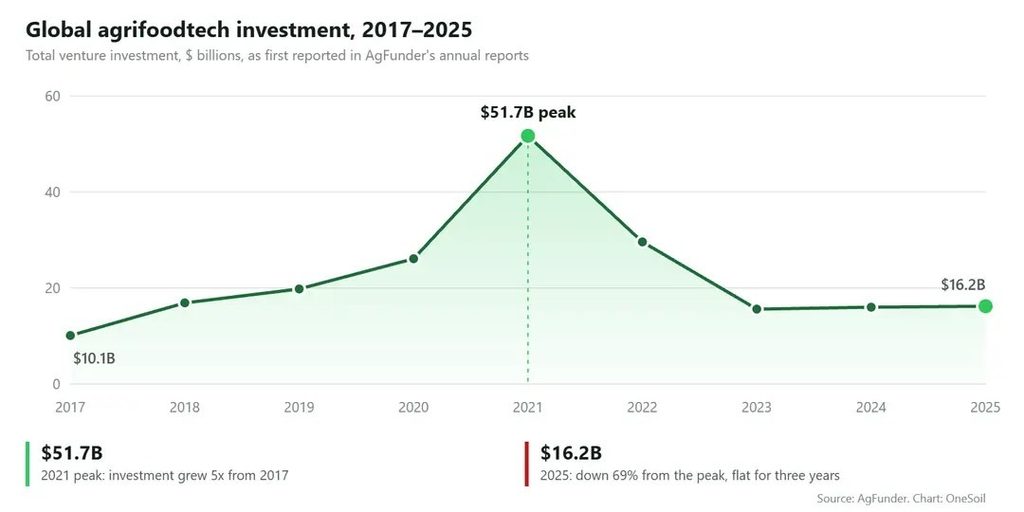
For nearly a decade, agritech was heralded as the final frontier for venture capital. As the tech ecosystem boomed across Africa and global markets, investors poured millions into platforms promising to drag traditional supply chains into the digital age. Agritech equity funding globally hit record highs during the 2017-2022 boom, with African startups alone securing tens of millions of dollars annually.
Glossy pitch decks promised that simple mobile applications and B2B marketplaces could solve systemic food security issues, connect isolated rural smallholders directly to buyers, and streamline highly fragmented logistics networks.
Agritech became the darling of high-profile impact investors, global development banks, and institutional venture funds eager to capture the massive farm-to-retail value chain.

We are excited to share with you
This FREE E-Book of 50 Agritech Pioneers & Their Game Changing Innovations.
Download the Ebook now
However, by 2023, the bubble began to burst as harsh unit economics collided with tightening global capital.
The Startups That Did Not Make It
These highly publicised ventures show that a large injection of capital does not protect a startup from failure. Many raised millions in their early phases and still collapsed because the complex physical operations couldn’t translate into self-sustaining businesses before the funding ran out.
1. $1.9 million later, Morocco’s YoLa Fresh shuts down
Founded in 2023 by tech executives from Jumia and Careem, YoLa Fresh set out to modernise Morocco’s fragmented fruit and vegetable supply chain by using artificial intelligence to connect smallholder farmers directly with retailers.
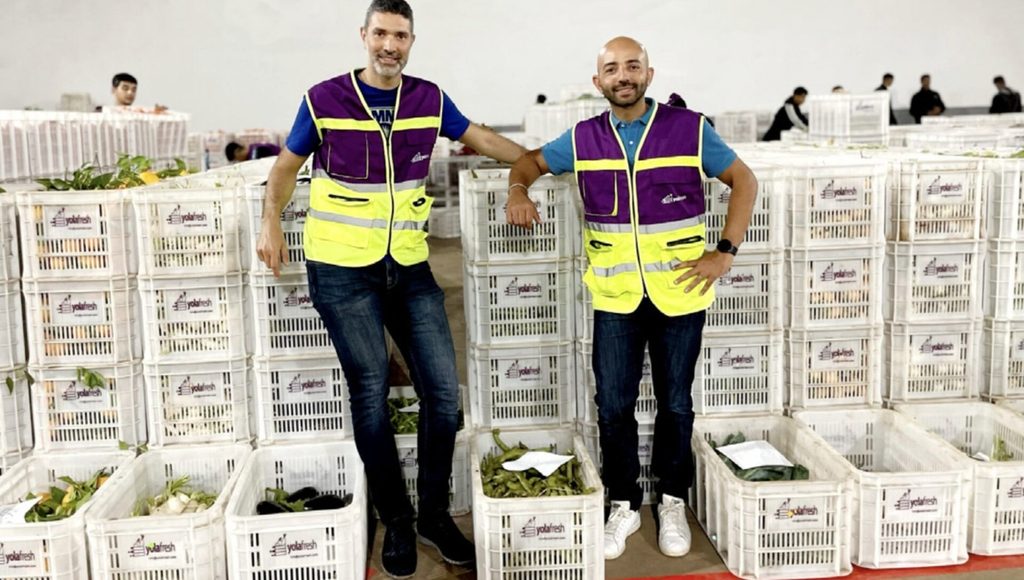
Reports by Techpoint Africa and Launchbase Africa indicated the startup initially captured impressive market validation:
- It attracted over 1,000 local retailers and maintained a strong customer retention rate of 85%.
- It generated an estimated $1 million in monthly gross merchandise volume.
- The team secured $9 million in total public funding, culminating in a $7 million pre-Series A round in mid-2024 backed by Al Mada Ventures.
In October 2026, the co-founders officially announced that YoLa Fresh had ceased operations. Without fresh international capital to absorb the high operational costs of hauling, storing, and handling highly perishable goods, the startup ran out of cash and collapsed.
2. The fallout of eFishery (Indonesia / Malaysia)
The collapse of the Indonesian aquaculture unicorn eFishery was a combination of an aggressively flawed pursuit of “vanity metrics,” rather than the physical business model failing outright. The product itself worked, but the economics could not support the hyper-growth narrative demanded by venture capital.
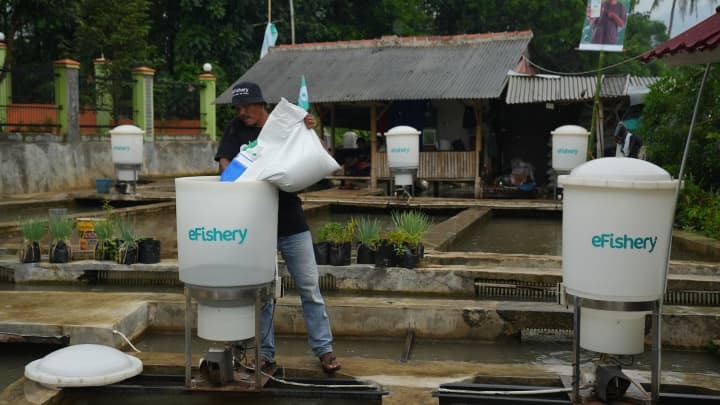
- The Core Business vs. VC Growth Demands: eFishery had a viable and widely praised hardware model. Its automated smart feeders helped small-scale fish and shrimp farmers optimise feed, save money and improve yields. A hardware business grows at a steady and linear pace. To justify a valuation of US$1.4 billion as a tech unicorn, the startup needed explosive, software-like growth. The pressure to keep securing larger funding rounds pushed its leaders to favour artificial growth over organic revenue.
- Lack of True Profitability (The Subsidy Trap): eFishery relied heavily on investor cash to subsidise operations, acquire users and expand into fish selling and B2B marketplace distribution. When these expansions failed to generate organic profits, cash flow dried up. Instead of scaling back or pivoting, its leadership chose to falsify the numbers and hide the company’s growing losses.
Ultimately, the physical technology worked, but actual market demand couldn’t match the inflated, multi-million-dollar expectations the founders created. The business was swallowed by the fraud invented to keep the unicorn illusion alive.
3. The liquidation of South Africa’s Livestock Wealth
Founded in 2015 by Ntuthuko Shezi, Livestock Wealth allowed everyday retail investors to buy fractional shares of physical assets, such as pregnant cows and macadamia nut trees, to earn returns upon harvest or sale. The business earned high-profile media coverage and initially positioned itself as a secure alternative asset class for South Africans looking to invest directly in the agricultural economy.
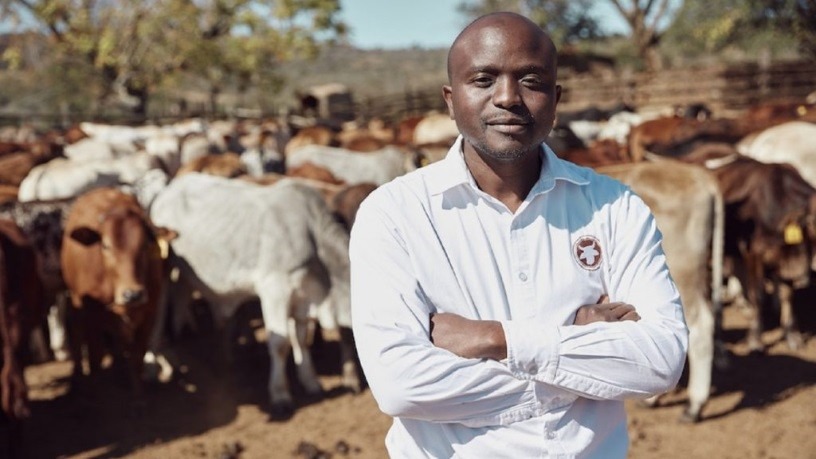
However, behind the innovative branding, the company slid into deep financial distress. A report by Launch Base Africa showed that the platform collapsed after failing to manage a ZAR3 million convertible loan from MIC Khulisani Ventures, a minority shareholder.
The structural failures that triggered the final shutdown include:
- The company sought an additional ZAR6.8 million loan to pay overdue returns to investors, which the court viewed as evidence of insolvency.
- Management failed to provide required monthly accounts, bank statements and audited financial reports.
- A two-year FSCA investigation resulted in a fine for displaying a dormant subsidiary’s licence number. Investor complaints about frozen withdrawals added to the pressure.
In May 2026, the court dismissed the founder’s business rescue application and placed Livestock Wealth into final liquidation. The judge ruled that the rescue plan relied on nothing more than broad optimism. The court rejected the company’s final bid to appeal the order in August 2026. This legal decision permanently shut down operations and forced retail investors to queue up with liquidators to prove their financial claims.
4. The sudden collapse of Gro Intelligence
Unlike platforms that focused on physical farm logistics, Gro Intelligence positioned itself as the definitive brain of global agriculture by using artificial intelligence to predict global food supply chain shifts, crop yields, and weather impacts.
Founded in 2012 by former energy commodities trader Sara Menker, the New York- and Nairobi-based platform gained immense global prestige. AgFunder reported in 2021 that it raised $85 million in a Series B round from major backers such as Intel Capital and Africa Internet Ventures. That same year, it earned a spot on TIME’s list of the 100 most influential companies.

Behind its high-tech data platform were serious business flaws. Its expensive, complex product struggled to match market demand, which contributed to the company’s eventual collapse.
The primary factors behind the rapid downfall include:
- Unstable revenue: The company relied heavily on one major corporate client and struggled to secure long-term government contracts. This left it dependent on expensive consultancy projects instead of predictable software subscription fees.
- Financial mismanagement: The company operated for years without a Chief Financial Officer and struggled to produce reliable quarterly financial statements for its institutional backers.
- Regulatory scrutiny: The US Securities and Exchange Commission (SEC) reportedly examined whether investor fraud or misrepresentation had occurred during fundraising.
Furthermore, a turbulent cash crunch left the startup unable to meet payroll obligations. This prompted a massive 60% staff layoff. The emergency funding failed to sustain operations, and the remaining staff received notice in late May 2024 that the company would permanently close down. That marked a sudden demise of one of agritech’s most celebrated data giants.
Lessons for Africa’s Agritech Sector
The wave of high-profile closure in Africa and the global markets offers a sobering roadmap for the next generation of agricultural founders and investors.
To build durable businesses that outlast venture capital cycles, the sector must embrace several hard-earned realities:
- Agritech businesses must account for farming seasons and harvest cycles.
- Funding plans should match agricultural timelines.
- Avoid relying on one major customer. Gro Intelligence depended heavily on Unilever, while smaller deals could not make up the shortfall.
- Keep proper financial records. Livestock Wealth’s failure to provide required reports weakened its position in court.
Also, awards and big rounds do not replace paying customers. The startups that last are the ones that prove demand before they scale.
Read also: Lessons from Failed Agritech Startups.
Funding Is Not Traction
The drive to modernise agriculture is far from over, and while building, founders should focus on sustainable unit economics over hype. Besides, failure is not the end of innovation. It can serve as a vital guide to what does not work and a clear blueprint for those who come next, as more resilient startups emerge to transform the sector for good.