German food tech startup Senara, which is developing cell-based dairy, has established a hub in the Netherlands with financial backing from LIOF, the regional development agency of Limburg.
Senara, a German firm developing cell-cultured dairy products, has expanded with a new hub in Maastricht, Netherlands.
The four-year-old startup has established its second location through an investment by LIOF, the regional development agency of Dutch province Limburg.
“We don’t want to change milk, but improve the production method,” said Svenja Dannewitz, co-founder and CEO of Senara, which is targeting both the food and personal care sectors.
The new Dutch hub will help the company further scale up its cell-culture technology, with an eye towards kicking off production and eventually entering the market.
Cell-based milk geared towards food and cosmetics applications
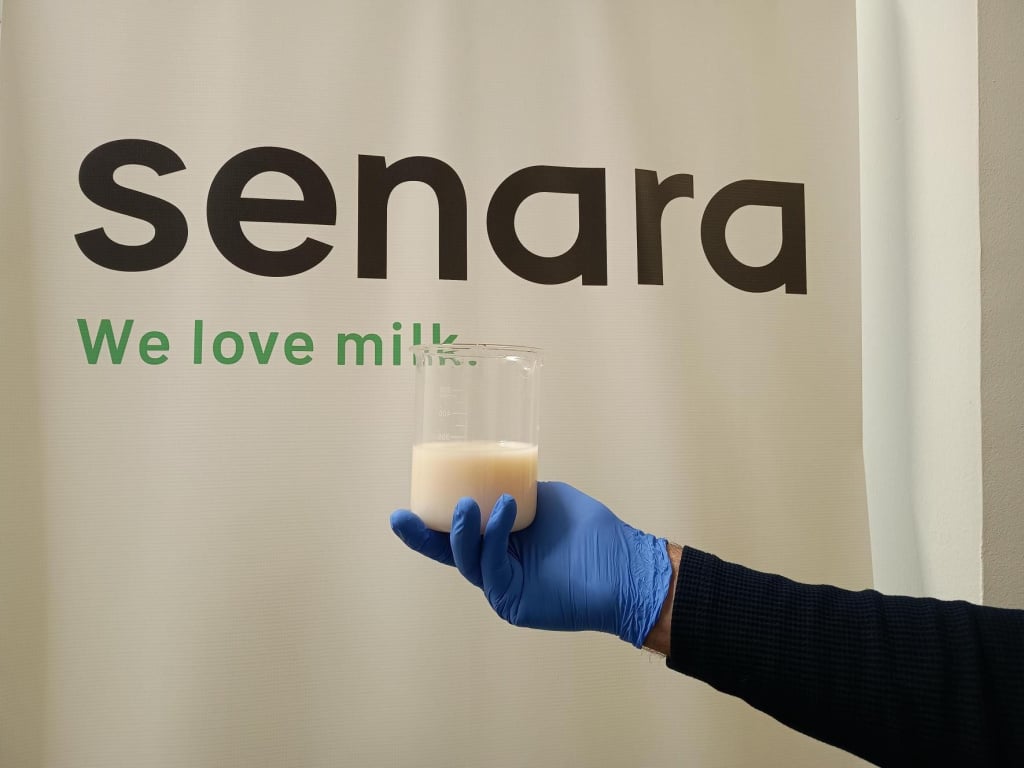
Founded in 2022 by Dannewitz and her husband Philipp Prosseda, Senara takes cells not from the cows or other dairy-producing animals themselves, but from the milk they produce instead. This enables minimal intervention with the animals and makes for a more efficient production cycle.
They select the most suitable cells through a continuous, high-throughput process that significantly lowers costs. The company’s custom bioreactor cultivates and facilitates cell growth, making it easier to scale up.
The resulting product is free from GMOs or the bacteria and yeasts that normally cause milk to spoil while containing all the essential elements of dairy: lactose, casein, whey and micronutrients.
Senara is currently exploring applications for ice cream, cheese and panna cotta, and is working with global food manufacturers to expand into other products. The firm has suggested that it can cater to specific nutritional needs and allergies, such as milk rich in A2 protein or a lactose-free version. Eventually, it wants to create a whole suite of milks from cells of goats, buffaloes, sheep, donkeys and bison.
It also sees opportunities for ingredients in non-food categories, like cosmetics and skincare, which offer a faster route-to-market than the more strictly regulated food sector. That said, the company does aim to bring its first food products to grocery stores within a few years.
Senara has been working at pilot scale with a 100-litre bioreactor, which produces milk that has the same nutritional profile as conventional varieties, but in a much more climate-friendly manner. And it has previously indicated plans to set up an industrial-scale bioreactor by 2028.
Senara kickstarts new funding round for Maastricht facility
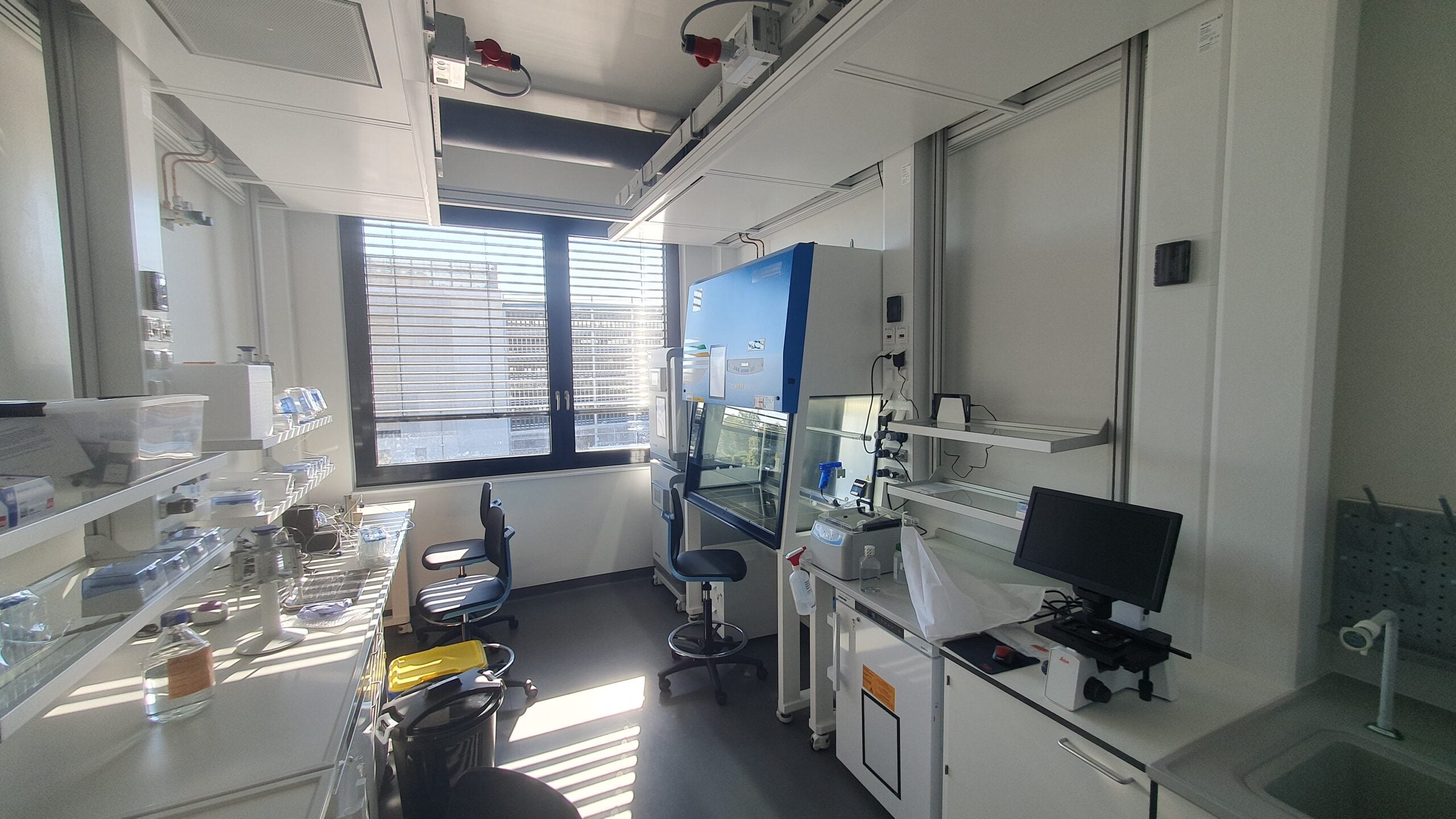
“We are developing an innovative production method that is more efficient and sustainable. In the long term, farmers can apply this technology with bioreactors on their own farms. This allows them to remain part of the food system, while new ways of producing emerge,” said Dannewitz.
With its expansion into the Netherlands, Senara gains access to the specialised knowledge, talent, infrastructure, and partners in Maastricht’s food tech ecosystem. The startup is eyeing a future pilot manufacturing site in the city, for which it has launched a new funding round now.
Maastricht has a well-established pedigree in the cellular agriculture sector. It’s home to Mosa Meat, the startup that unveiled the world’s first public cultivated meat prototype in 2013, as well as Cultivate at Scale, an open-access facility providing companies with infrastructure to scale up cell culture processes without having to first build costly manufacturing facilities.
Senara, which was shortlisted for the 2025 Earthshot Prize by the World Wide Fund for Nature (WWF), is one of only a handful of players in the cell-cultured dairy space. Others include American-Indian firm Brown Foods‘s UnReal Milk, Israeli startups Wilk and Accellta, and Canada’s Opalia.
The latter raised C$3.2M ($2.3M) earlier this year to expand production of its cell-based whole milk, and will deliver the first batch of its product to Dutch dairy giant Hoogwegt next month (a first for this nascent industry too). Elsewhere, France’s Nūmi and US-based 108Labs are developing cultivated breast milk.