
Italian startup Dreamfarm, known for its artisanal vegan cheese, witnessed 45% year-on-year revenue growth in the first eight months of this year, flipping the script on the most-derided plant-based category.
One of the longest-standing criticisms of plant-based food is that vegan cheese, for the most part, just doesn’t cut it.
Early iterations were deemed too sticky, too plasticky, and simply too different from the products they were trying to replicate. Dairy-free cheese failed to melt or brown in the same way, and many mass-market alternatives are still viewed as off-putting.
“Honestly, the category deserves part of that reputation,” says Giovanni Menozzi. “For years, a lot of products simply weren’t good enough, and consumers remember a bad experience.”
He is the co-founder and CEO of Dreamfarm, part of the new wave of vegan cheese startups that are taking an artisanal approach to this category.
“The answer has to come from the product: taste first, then texture, then a short ingredient list,” he tells Green Queen. “For us, that meant investing in fermentation and food science instead of taking shortcuts in the formulation.”
That approach has served Dreamfarm well. The company’s sales doubled last year, helping make cheese the fastest-growing plant-based category in Italy (up by 26%). That success has continued in 2026, with the startup recording a 45% bump in revenue in the first eight months, compared to the same period a year ago.
In fact, July was the best month in the company’s five-year history. And at the end of August, the brand occupied an 11% share in Italy’s plant-based cheese market, up from 7.4% 12 months earlier.
“We went from €130,000 in revenue in 2023 to around €1.8M in 2025, and 2026 is going well,” says Menozzi. “Our aim is to keep growing at a similar pace as we enter new markets and add new retailers.”
Expanded distribution boosts profits as Dreamfarm eyes flexitarians
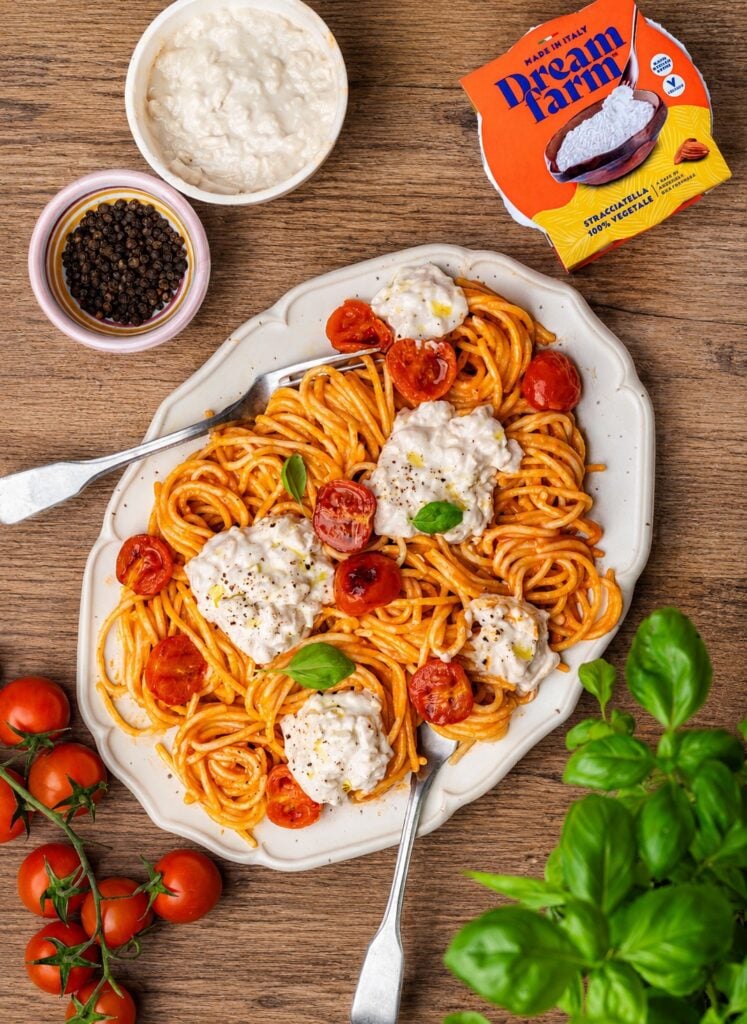
Dreamfarm’s positive performance this year was driven in large part by its expanded footprint. Its flagship fresh mozzarella – which is sold in balls and packed in water – reached 43% weighted distribution in August, increasing from 35% a year ago. Likewise, its vegan ricotta’s distribution rose from 25% 12 months ago to 30%.
Its commercial base is also diversifying, with the company working with 50 active customers and generating around a quarter of its revenue from international markets.
“Today we are in more than 2,000 points of sale across Italy, France, Belgium, the Netherlands and Germany. Our retail partners include Esselunga, Coop, Conad, Monoprix, Delhaize, Albert Heijn and EDEKA, and online we work with Picnic,” says Menozzi. “Switzerland is our next market.”
The company is now focused on building demand and expanding the category, aiming to engage a wider set of consumers, starting with flexitarians. These consumers “aren’t looking for a cause”, but instead want better-tasting food that “fits into how they already eat”, according to the Dreamfarm CEO.
“So we don’t ask them to give anything up. We want our products to be good on their own, in formats people use every day, like stracciatella on pizza or mozzarella in a salad. Tastings work really well for us, in-store and at events, because once people try the product, they tend to buy it,” he notes.
It’s why Dreamfarm is doubling down on taste, quality of experience, and simple ingredients, which are key elements to turn those trials into repeat purchases. “Retailers and consumers keep telling us the same thing: people come back because they like the taste,” says Menozzi. “Once someone tries our stracciatella or our mozzarella, it usually ends up in their fridge every week.”
Dreamfarm targets profitability for 2028
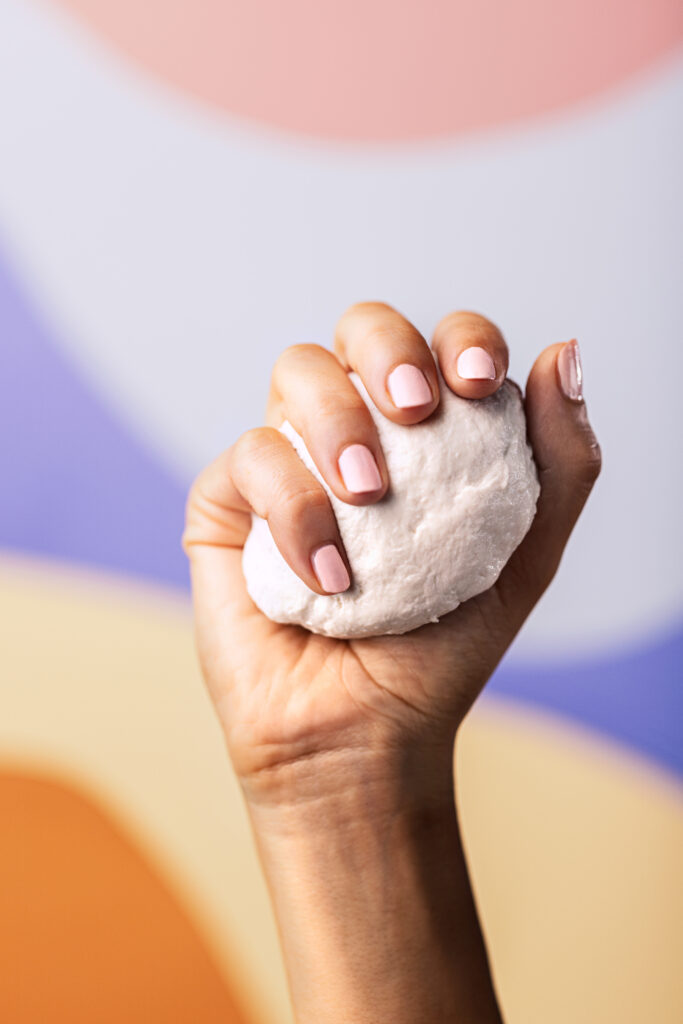
Dreamfarm uses almonds and cashews to make its clean-label dairy-free cheeses to staple Italian cheeses like mozzarella, ricotta, and stracciatella, each with a Nutri-Score A rating. The firm also makes cream-cheese-like spreads and mini mozzarella balls.
“A lot of plant-based cheese relies on starches and flavourings to imitate dairy. We took a different route and went back to how cheese has always been made, with fermentation,” explains Menozzi. “We developed our own platform based on five strains, which is now protected by a European patent, and it gives our almond and cashew products a flavour and texture that people don’t expect.”
The company is now investing in innovation and diversifying its range, aiming to enter more segments and create new consumption occasions to help expand the vegan cheese market.
What is Menozzi’s advice for others in this space? “It helps to pick the battles you can win. Fresh Italian cheeses work very well in plant-based form; a 24-month aged cheese is a different story,” he says. “And brands need to be careful with promotions, because if volume only moves with deep discounts, growth won’t last.”
Dreamfarm’s 2027 strategy will centre around building brand awareness, product trial and repeat purchases via communication, in-store activities and partnerships with retailers.
“This year we invested heavily in our plant in Parma, in building the brand and in the team. From 2027, we expect those investments to start paying off, and we’re targeting profitability by the end of 2028,” says Menozzi.
“Growing volumes will help us cover the fixed costs of the plant, the new equipment will make production more efficient, and we’re working towards a healthier channel mix that relies less on promotions.”