
The EU restriction on the “forever chemical” undecafluorohexanoic acid (PFHxA) in cosmetics applies tomorrow.
Starting October 10, cosmetic products may no longer be placed on the market or used in the EU if they contain 25 parts per billion (ppb) or more of PFHxA and its salts combined. The restrictions also apply to 1,000 ppb or more of PFHxA-related substances combined.
PFHxA-related substances are those that can degrade or transform into PFHxA. On an ingredient list, these often carry “perfluorohexyl” in the name.
PFHxA is not intentionally added as a primary ingredient in cosmetics, but appears in products as a chemical impurity or a breakdown (degradation) product of other intentionally added PFAS (per- and polyfluoroalkyl substances).
The limits stem from Regulation (EU) 2024/2462, which added a new entry to Annex XVII of REACH (Registration, Evaluation, Authorization and Restriction of Chemicals). The European Commission (EC) adopted the measure in September 2024.
Cosmetics companies were given a two-year transition period to reformulate. That window closes tomorrow.
The EC said the regulation seeks to reduce “unacceptable risks” to the environment and public health due to the persistence and mobility of PFHxA’s in water. Various studies suggest it is challenging to remove the material from drinking water, contaminated sites, and wastewater, and the exposure to humans is long-term.
What changes for cosmetics
For the cosmetics industry, the regulation means that manufacturers will no longer be able to use PFHxA-related substances in their formulations.
 EU limits on PFHxA in cosmetics apply from October 10. The regulation sets PFHxA thresholds at trace levels, meaning companies may need to check raw materials for impurities as well as intentionally added ingredients. The concentration limits apply to the formula itself, such as the cream or mascara, not to the total weight of the product with its packaging.
The restriction does not apply to products placed on the EU market before October 10, 2026. Under REACH, that means products already supplied to a distributor or retailer, or already imported into the EU, can continue to be sold. Products still held by the manufacturer, or not yet imported, must meet the new limits
Why PFHxA
When announcing the restriction, the EC said PFHxA is very persistent and mobile in water, and that its use in certain products poses an “unacceptable risk” to human health and the environment. The executive branch of the EU stated that alternatives to PFHxA are available, and “socio-economic costs will be limited in comparison to the human health and environmental benefits.”
The EC noted that PFHxA has often been used as a substitute for PFOA, another PFAS that is already banned. It said the restriction targets uses where alternatives are available.
European Chemicals Agency’s (ECHA) Committee for Risk Assessment (RAC) previously concluded that “it is likely that PFHxA is dermally absorbed. Therefore, the RAC said it has to be considered that cosmetic products may pose an additional relevant source for human exposure.
Meanwhile, environmental groups have accused the EU of insufficient REACH enforcement, pointing to PFAS pollution.
PFAS ban debate
The set PFHxA limits are separate from the proposed “universal” restriction on the entire PFAS group, which ECHA is assessing. PFAS’s persistence and potential toxicity have raised health and environmental concerns, prompting increasing regulatory scrutiny at the state, federal, and global levels.
In March, ECHA’s scientific committees backed an EU-wide PFAS restriction — with exemptions for certain uses where alternatives are not yet available.
For cosmetics, the Committee for Socio-Economic Analysis (SEAC) concluded in its draft opinion that no carve-outs are justified. SEAC is expected to adopt its final opinion by the end of 2026. The EC will then propose a restriction for member states to vote on.
However, some countries and US states have moved faster and already enacted broad bans on PFAS in cosmetics.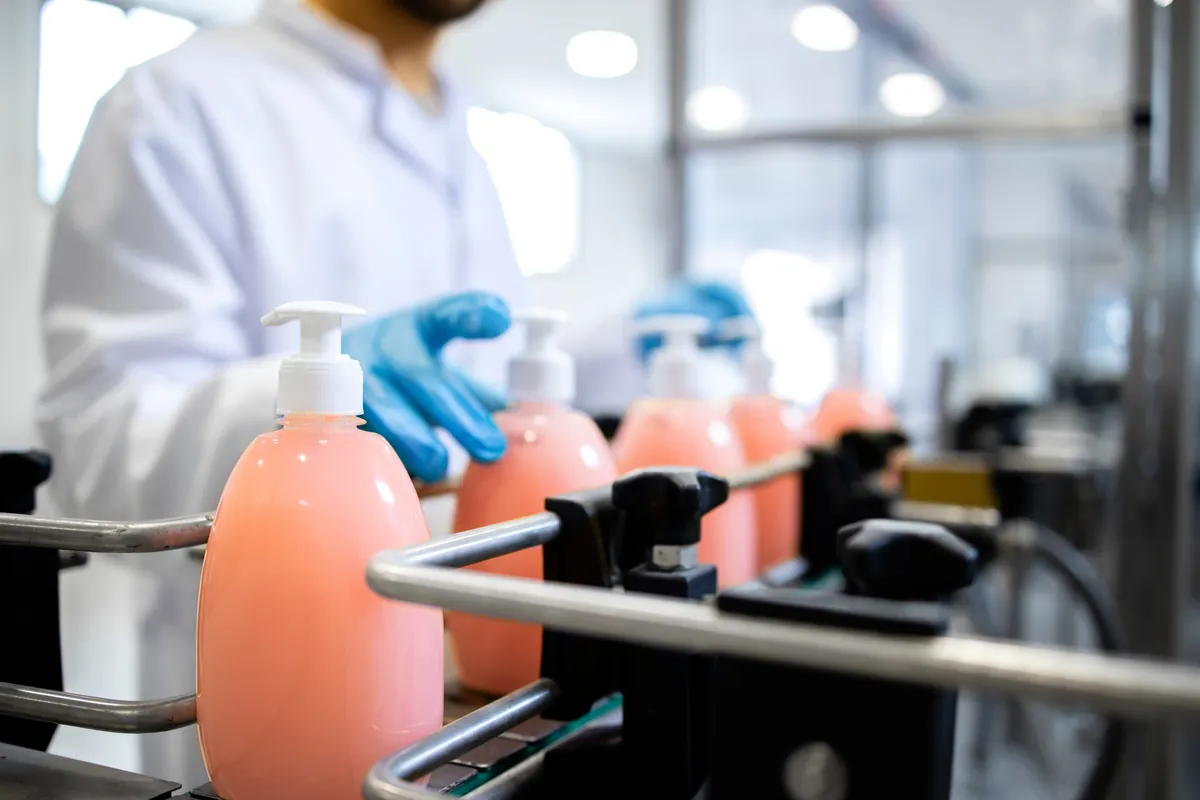 Existing stock can stay on shelves after the deadline.
France’s ban on PFAS in cosmetics took effect on January 1, making it the second European country, after Denmark, to adopt comprehensive national PFAS rules.
In the US, around 14 states have enacted bans on intentionally added PFAS in cosmetics.
However, despite state-powered restrictions on PFAS, at the end of last year, the US Food and Drug Administration announced it was unable to determine the safety of PFAS in cosmetics due to data gaps.
The long-awaited congressionally mandated report, under the Modernization of Cosmetics Regulation Act of 2022, resulted in no federal measures to regulate PFAS in cosmetics, which many safety and environmental watchdogs were hoping for.
“Our scientists found that toxicological data for most PFAS are incomplete or unavailable, leaving significant uncertainty about consumer safety,” said FDA Commissioner Marty Makary.
Makary stated that the lack of reliable data demands further research. He emphasized that, in alignment with the Make America Health Again Strategy Report, the FDA will continue to work with the Centers for Disease Control and Prevention and the Environmental Protection Agency to update and strengthen recommendations on PFAS.
EU limits on PFHxA in cosmetics apply from October 10. EU limits on PFHxA in cosmetics apply from October 10. EU limits on PFHxA in cosmetics apply from October 10. Existing stock can stay on shelves after the deadline.Existing stock can stay on shelves after the deadline.Existing stock can stay on shelves after the deadline.