
Personal care is becoming increasingly tailored to younger consumers as children and pre-teens navigate puberty and different hygiene demands. The gap between basic children’s products and adult beauty routines is creating demand for specific and age-appropriate solutions. Siiiba, a US brand, aims to fill this gap with a deodorant lineup designed to support confidence without rushing tweens into products intended for adults.
As kids enter puberty, they experience changes to their bodies. Siiiba is anchored by the rule, “Don’t Make it Weird,” which states that growing up can be challenging but also fun and simple, as long as it is not turned into “an awkward moment” by peers or parents.
The tween wellness brand has rolled out a natural deodorant lineup that is designed to turn the onset of body odor into a simple self-care routine for kids and tweens.
Personal Care Insights speaks with Yris Palmer, co-founder of Siiiba, about designing personal care for children and pre-teens who are using deodorants for the first time. She says that “growing up today is louder, faster, and more public than we’ve ever experienced,” affecting how young people navigate bodily changes and develop their first personal care habits.
The “in-between years” — ages 8–13 — are a period of time when teens and preteens are beginning to experience puberty and changes to their bodies, but are not quite ready for adult personal care products, says Palmer.
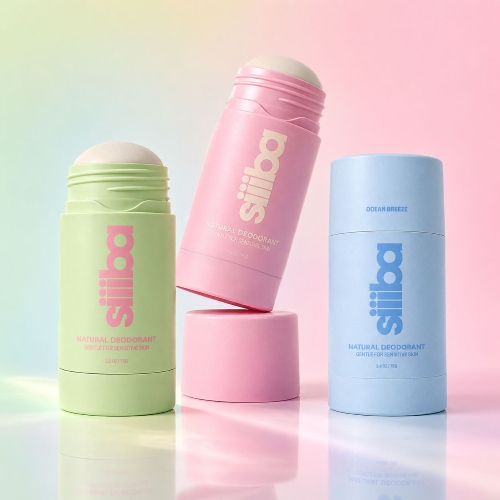 Siiiba is targeting age-appropriate hygiene for growing bodies.“We saw an opportunity to meet young people where they are: not as little kids and not as adults, but somewhere in between,” Palmer explains.
“As tweens enter this stage, they’re watching, learning, and picking up cues from each other long before adults may realize it, yet personal care for this demographic isn’t always talked about or catered to,” she says.
Puberty and periods of change
Siiiba says its products are born from the idea of making new personal care routines feel easy, empowering, and fun for tweens and their parents.
“We wanted to give families a trusted approach to everyday routines without compromising on what pre-teens and teens want,” says Palmer.
“Siiiba helps build a foundation of hygiene for the future without treating growing bodies as simply an extension of childhood or rushing kids into adult routines.”
Much of the conversation around younger consumers has centered on the concern that they are adopting adult-style skin care or makeup routines from a young age.
Siiiba says it is taking a different approach, “instead focusing on the broader hygiene and wellness needs that come with growing up.”
“Our natural deodorant products were designed with this in mind, and developed specifically for younger, more delicate skin,” says Palmer.
Ingredients that support sensitive skin
Siiiba’s product range is formulated for “growing bodies with ingredients parents can feel good about,” says Palmer.
“The formula doesn’t contain baking soda, and it is aluminum-free. The reason Siiiba doesn’t use aluminum-based compounds is that they work by physically blocking sweat glands. “That’s effective, but it’s also a lot to put on young, sensitive skin,” she flags.
“Siiiba relies on odor neutralizers that combine odor-fighting and skin-supportive ingredients, including magnesium hydroxide and zinc oxide, and arrowroot powder to help absorb moisture. Cocoa butter and coconut oil help care for and moisturize delicate skin,” says Palmer.
Palmer tells us Siiiba’s products have undergone third-party testing to support their safety and gentleness claims.
The formula is dermatologist-tested, clinically tested, and has completed Human Repeat Insult Patch Testing, a standard method used to evaluate the potential for irritation and sensitization following repeated skin exposure.
The testing revealed no product-related irritation, sensitization, or adverse events, further supporting the brand’s positioning as a gentle option for tweens and teens.
The age of self-discovery
The category of children’s and pre-teens’ personal care is growing. Kids are increasingly interested in skin care, and the beauty market is responding with a plethora of products for targeting this demographic.
This summer, Frida launched Frida Kids Personal Care, a collection of 32 body, hair, and oral care products designed for children aged 6–11. The US personal care brand said the release taps into th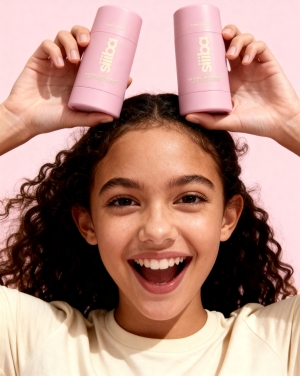 Siiiba’s launch positions itself around a practical developmental need: “basic hygiene during puberty.”e “overlooked demographic of children of this age, who are learning to take care of themselves for the first time.”
Meanwhile, the Gen Alpha demographic is becoming increasingly ingredient-oriented as AI-powered discovery tools are making it easier for younger consumers to scrutinize ingredients, claims, and formulations.
Symrise recently identified pentylene glycol as an emerging “invisible” ingredient of interest, arguing that Gen Alpha is moving beyond hero actives to examine complete INCI lists, formulation intent, safety, and irritation potential.
Meanwhile, wider concerns are proliferating from parents, doctors, and dermatologists.
Personal Care Insights previously spoke with Dr. Masoud Saman, a US-based plastic surgeon, about the ethics of marketing skin care to children. He said his biggest concern with the rise of the market is that “the industry is taking a basic health need and turning it into an identity project for children.”
Recent regulatory action further demonstrates the scrutiny surrounding products aimed at young beauty shoppers. Earlier this year, Sephora agreed to introduce prominent online warnings and mandatory employee training following an investigation by the Connecticut attorney general into the marketing of anti-aging skin care to children.
Previously, the British Association for Dermatologists warned that kids’ repeated exposure to anti-aging ingredients or other potent actives can leave them with irreversible skin damage, emphasizing the urgency for children to use only age-appropriate products.
Building for the future
Siiiba believes that personal care can be “an important tool for confidence, independence, and self-discovery, while still being age-appropriate, playful, and simple.” Palmer says, “Our goal is to create thoughtfully designed products and approachable routines that help young people build a foundation of hygiene for the future, without making growing up feel intimidating or overly complicated.”
Although Siiiba’s launch comes amid growing scrutiny of how beauty brands engage younger consumers, the brand says it is positioning itself around a practical developmental need: “basic hygiene during puberty.”
Palmer explains that Siiiba also brought in her nine-year-old daughter, Ayla, to get her opinion on the packaging, colors, and scents so that Siiiba is “cool enough for teens and pre-teens to want to use, while still being made with ingredients parents can trust.”
“While we see opportunities to expand Siiiba into retail and explore partnerships, our immediate focus is on growing organically and building a strong, authentic connection with our consumers.”
“We’ve already received interest from potential retail and strategic partners, and as we continue to grow, we will be thoughtful about expanding into channels that increase our reach while staying true to Siiiba’s strategy and community,” Palmer concludes.
Siiiba is targeting age-appropriate hygiene for growing bodies.Siiiba is targeting age-appropriate hygiene for growing bodies.Siiiba is targeting age-appropriate hygiene for growing bodies.Siiiba’s launch positions itself around a practical developmental need: “basic hygiene during puberty.”Siiiba’s launch positions itself around a practical developmental need: “basic hygiene during puberty.”Siiiba’s launch positions itself around a practical developmental need: “basic hygiene during puberty.”