
The European Commission has asked the Scientific Committee on Consumer Safety (SCCS) to assess the safety of cuminaldehyde and p-cymene for cosmetics. The two molecules occur naturally in essential oils and are used across fragrance and skin care.
The commission reports that the industry has accepted that cuminaldehyde and p-cymene should not be added to cosmetics as standalone ingredients. What it seeks is permission for the traces that occur naturally inside cumin, thyme, and other essential oils. A formulator cannot take out the chemicals without removing the oil.
Neither substance is currently regulated under the EU Cosmetics Regulation. The outcome could determine what happens to an essential oil when one substance inside it is ruled unsafe.
The SCCS has approved both mandates and was given nine months to deliver each opinion, putting both due around April 2027.
Cuminaldehyde is an aromatic aldehyde present at relatively high concentrations in cumin seed oil and at lower levels in caraway, eucalyptus, myrrh, and cassia oils. P-cymene is a monoterpene hydrocarbon found at significant concentrations in thyme, oregano, and cumin oils. Both are listed in the CosIng database with perfuming and skin conditioning functions.
The commission notes that exposure is not confined to cosmetics. Both substances are also present in household products and occur naturally in food.
Chemistry and cosmetics
The trigger for both reviews is the European Chemicals Agency’s Risk Assessment Committee, which recommended classifying cuminaldehyde and p-cymene as Reprotoxic Category 1B. That categorization signals that an ingredient is presumed to harm human reproduction, based on animal evidence.
Article 15(2) of the Cosmetics Regulation prohibits the use of substances classified as CMR (Carcinogenic, Mutagenic, or toxic to Reproduction) category 1A or 1B under Part 3 of Annex VI to the CLP Regulation in cosmetics.
The unusual feature is where the decision to ban is taken. The classification is made in chemical law, not cosmetics law. Once it applies, the cosmetics prohibition follows on its own — there is no separate vote on cosmetics, and no requirement to write the substance into the Cosmetics Regulation first.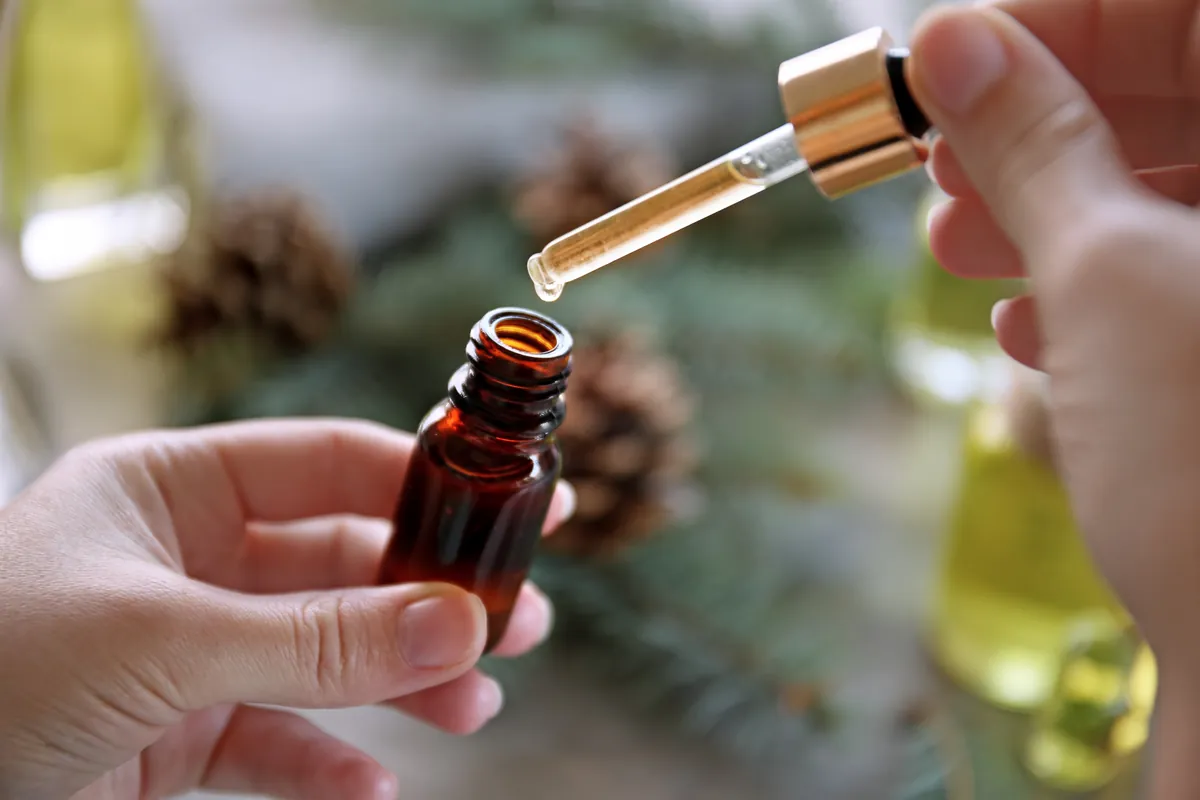 Cuminaldehyde occurs at high concentrations in cumin seed oil.
The commission does eventually add prohibited substances to Annex II of the Cosmetics Regulation, but that step records a ban that already exists rather than creating one.
For formulators, the practical consequence is that an ingredient can be removed by a decision taken in a rulebook they were not watching.
In a similar move targeting reproductive and developmental risks, the commission restricted 12 cosmetic ingredients due to concerns related to potential endocrine disruption or genotoxicity. The regulation added zinc citrate, zinc sulfate, zinc sulfate monohydrate, and zinc sulfate heptahydrate (as zinc) to the list allowed up to a concentration of 1%.
What the industry is asking
According to the European Commission, the EU cosmetics industry said it did not wish to defend either substance as an ingredient used in cosmetic products. Instead, the beauty players submitted dossiers to defend the safe use of each as a constituent in natural complex substances, up to specified maximum concentrations.
The commission documents do not name which body or bodies filed the dossiers, referring only to “the EU cosmetics industry.”
Rather than argue that cuminaldehyde and p-cymene are safe as added materials, the industry is fighting to keep the essential oils that contain them on the market.
For p-cymene, the highest proposed level is 0.3% w/w in fragrance products, followed by 0.08% in both leave-on body products and rinse-off products, 0.057% in deodorants, 0.051% in leave-on face products, 0.04% in leave-on hair products, 0.024% in lip products, and 0.022% in oral care.
Cuminaldehyde is proposed at 0.04% in leave-on hair products, 0.035% in fragrance products, 0.014% in both rinse-off products and make-up products and remover, 0.005% in leave-on skin products, 0.00314% in deodorants, 0.0017% in oral care, and 0.001% in lip products.
For suppliers, the pattern is that CMR classification is no longer arriving one synthetic at a time. It is reaching molecules that sit inside botanical raw materials by default, which means the problem cannot always be reformulated away without changing the oil.
Cosmetic conditions
Under the second subparagraph of Article 15(2), a CMR 1A or 1B substance may still be used in cosmetics where all four of the following conditions are met:
- It complies with EU food safety requirements as defined in Regulation (EC) No 178/2002
- No suitable alternative substances are available, documented in an analysis of alternatives
- The application is made for a particular use of the product category with a known exposure
- The SCCS has evaluated it and found it safe for use in cosmetic products, taking into account overall exposure from other sources
The first and fourth conditions give naturally occurring substances a better chance of qualifying for the exemption than synthetic ones. Both molecules occur naturally in foods, herbs, and spices, and the SCCS is weighing exposure from non-cosmetic sources.
Annex II, the Cosmetics Regulation’s list of banned substances, already contains entries that prohibit a molecule as an added ingredient while permitting the quantity naturally present in an essential oil. The commission points to those entries in a footnote in both mandates. 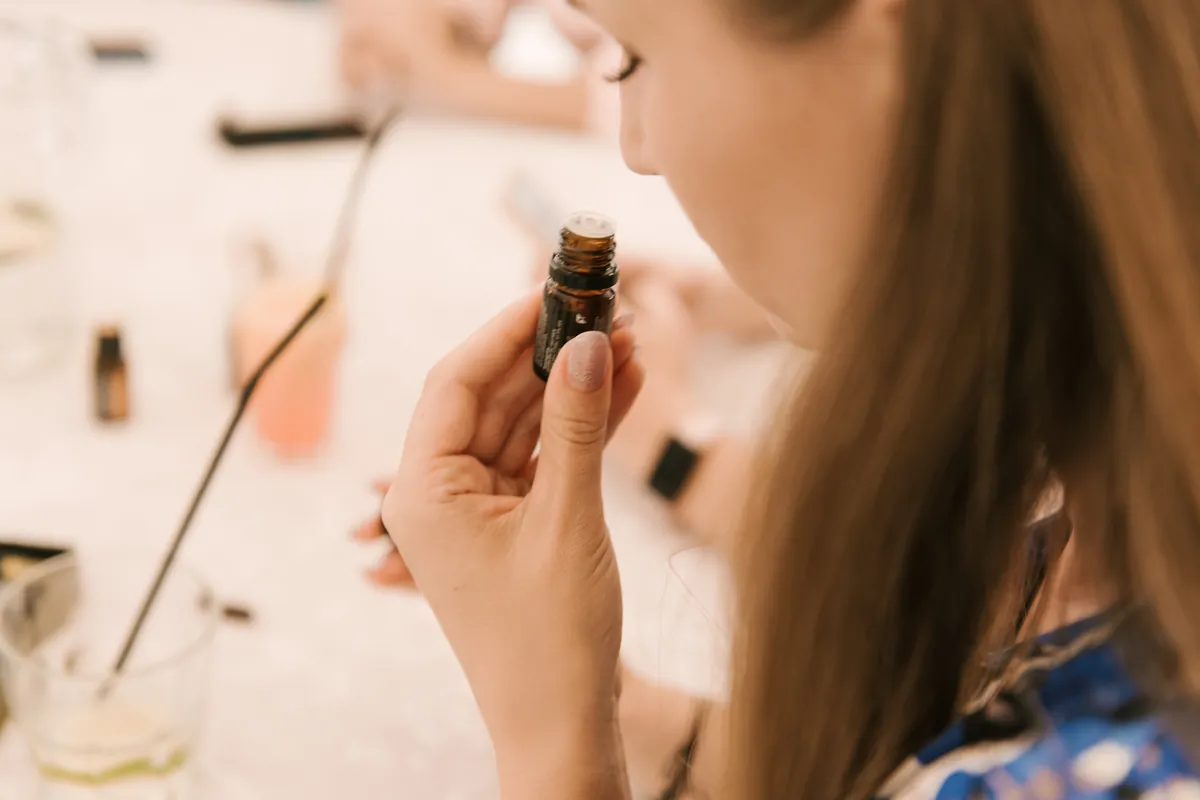 P-cymene is found in thyme and oregano oils.
Children’s category tightens
Both dossiers propose a separate and stricter set of levels for products intended for children under 10.
For cuminaldehyde, those run to 0.00005% in fragrance products, 0.0002% in rinse-off products, 0.0001% in other leave-on products, and 0.000002% in oral care. The p-cymene figures are 0.00005% in fragrance products, 0.005% in rinse-off, 0.0008% in oral care, and 0.0003% in other leave-on products.
The children’s fragrance ceiling is identical for both substances at 0.00005%. The cuminaldehyde children’s oral care figure of 0.000002% is the lowest number in either table, 25 times below the next lowest.
These carve-outs come as the kids’ skin care market is picking up pace. Among the rapid sector development, there are regulations and industry members urging safeguards.
Earlier this year, the EU SCCS deemed salicylic acid unsafe for use as a preservative at a concentration of 0.5% in all cosmetic products for children ages three to ten. The decision was published following pushback and data from the personal care industry defending the use of the chemical in products used by children. Despite the data provided, SCCS still found salicylic acid unsafe for children’s cosmetics in many instances.
Personal Care Insights recently spoke to Dr. Masoud Saman, a US-based facial plastic surgeon and head and neck surgeon, about the ethics of marketing skin care to children and where the sector should draw the line. He said his biggest concern with the rise of the market is that the industry is taking a basic health need and turning it into an identity project for children.
Cuminaldehyde occurs at high concentrations in cumin seed oil. Cuminaldehyde occurs at high concentrations in cumin seed oil. Cuminaldehyde occurs at high concentrations in cumin seed oil. P-cymene is found in thyme and oregano oils. P-cymene is found in thyme and oregano oils. P-cymene is found in thyme and oregano oils.