
This month, tensions flared between the US and Canada, both moving to impact each other’s cosmetics industries with 50% tariffs.
Asian countries continued to bolster their cosmetics markets with new regulations. China adopted its first mandatory national safety standard for cosmetics. South Korea passed the first law written specifically to grow its beauty sector.
Meanwhile, industry players lined up major deals. Essity moved to buy Kenvue’s Brazilian feminine care business, and Regent set out to reunite Avon North America with Avon International. In rumored plans, Ashland was said to be drawing private equity interest as it explored a sale.
We break down the biggest stories from August.
Oral care blends aesthetics, sensoriality and tech in premiumization wave
Oral care was found to be evolving as brands and practices tap sensoriality, aesthetics, and technology to premiumize the category. Gen Z was identified as a major driver of new oral care solutions. Personal Care Insights unpacked some innovations transforming the sector. For example, Colgate-Palmolive targeted Gen Z with skinified toothpaste, and dental clinics tackled anti-aging demands from the mouth.
Ashland explores sale as private equity giants circle
Ashland was revealed to be exploring a potential sale. Private equity firms, such as Advent International, were reportedly among the interested buyers. The talks followed months of mounting pressure from activist investors, and came after the specialty ingredients maker posted solid Q3 growth and established a capital allocation committee. The discussions are seemingly still ongoing, and there is no guarantee that a deal will go through. Ashland is reported to have a market value of approximately US$3.5 billion.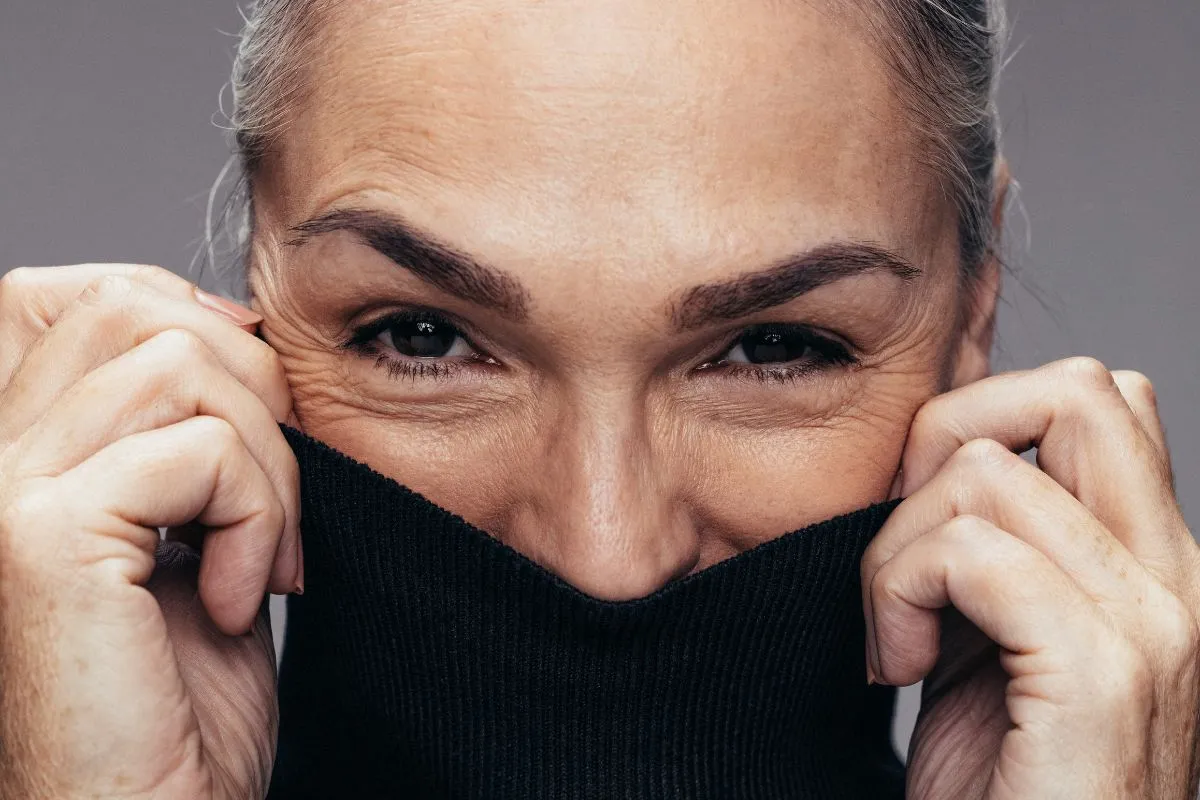 L’Oréal partners with NUS Medicine to test whether skin mirrors whole-body aging.
China adopts first mandatory national cosmetics safety standard
China introduced its first mandatory national safety standard for cosmetics, tightening limits on microbes, heavy metals, and harmful substances, with stricter rules for children’s products. The standard will consolidate previously fragmented requirements and move China’s framework closer to EU and ISO norms. The Cosmetics – General Safety Requirements will replace the Hygienic Standard for Cosmetics, published in 1987. It takes effect January 1, 2028.
L’Oréal and NUS partner to test skin’s role in whole-body aging
L’Oréal and NUS Medicine launched a multi-year partnership to test whether skin aging mirrors aging elsewhere in the body. Researchers will see if the skin can act as a reliable marker of systemic biological aging by comparing skin assessments with cardiovascular, metabolic, cognitive, and musculoskeletal health data. The findings could shape L’Oréal’s future innovation of personalized longevity products for skin, scalp, and hair care. In the personal care industry, longevity science has moved beyond addressing visible signs of aging toward understanding the biological mechanisms that drive aging at a cellular level.
Greece investigates invasive fish as cosmetic ingredient resource
Greek researchers announced they were exploring whether invasive, toxic fish disrupting Mediterranean ecosystems and fisheries could double as cosmetic ingredients. The research aims to offer a sustainable and circular approach to marine ecosystem management, and could open up new opportunities for cosmetic formulations. However, it arrives as the personal care industry is increasingly moving toward cruelty-free and vegan alternatives. From testing, the three fish species yielded collagen, omega-3s, and a toxin with potential beauty applications.
Essity buys Kenvue Brazilian feminine care business in US$284M deal
Essity moved to buy Kenvue’s Brazilian feminine care business — Carefree, Sempre Livre, and OB — for US$284 million. The asset purchase covered sanitary pads, liners, and tampons, along with related manufacturing equipment. Essity said the move strengthens its position as a feminine care leader in Latin America. The closing depends on Brazilian regulatory approval and completion of the Kimberly-Clark and Kenvue merger, expected in Q2 2027.  The EU’s microplastics ban pushes beauty toward bio-based alternatives, which can complicate manufacturing
South Korea passes landmark law to fuel K-beauty industry
South Korea passed the Act on the Fostering and Support of the Cosmetics Industry, the first law written specifically to grow the sector. It gives the Ministry of Health and Welfare the authority to support the entire K-beauty supply chain. The legislation also introduces an “innovative cosmetics company” certification. South Korea is moving to make beauty a primary engine of economic growth and become the global number one in cosmetic exports. The law takes effect one year after publication, with subordinate legislation still to be drafted.
Regent to acquire Avon North America, reuniting it with international arm
Regent revealed it is acquiring LG Household & Health Care’s (LG H&H) entire stake in The Avon Company, reuniting Avon North America with Avon International for the first time since the businesses separated in 2016. LG H&H said it looks forward to concentrating on its K-beauty growth and wellness brands. Meanwhile, Regent planned to add scale to its social selling model.
US–Canada tariff war escalates with reciprocal 50% cosmetics duties
Canada said it will match the US’s 50% cosmetics tariffs “dollar-for-dollar” from September 8. The United States-Mexico-Canada Agreement no longer shields cosmetics from duties at the North American border. Beauty goods that cross the border more than once will now get taxed each time, so brands have to consider the full cost. The Personal Care Products Council urged both countries back to the negotiating table, while cross-border logistics firm FlavorCloud told us how companies can plan around a shifting tariff landscape.
EU microplastics ban pushes beauty from ingredient swaps to manufacturing change
The EU’s microplastics ban has pushed synthetic polymer microparticles out of cosmetics. However, bio-based alternatives, such as cellulose and natural lipid matrices, can create new stability and scale-up challenges during manufacturing. Micropore Technologies discusses why low-shear emulsification could protect delicate naturals, and what beauty manufacturing may need a rethink.
L’Oréal partners with NUS Medicine to test whether skin mirrors whole-body aging. L’Oréal partners with NUS Medicine to test whether skin mirrors whole-body aging. L’Oréal partners with NUS Medicine to test whether skin mirrors whole-body aging. The EU’s microplastics ban pushes beauty toward bio-based alternatives, which can complicate manufacturing The EU’s microplastics ban pushes beauty toward bio-based alternatives, which can complicate manufacturing The EU’s microplastics ban pushes beauty toward bio-based alternatives, which can complicate manufacturing South Korea passed the Act on the Fostering and Support of the Cosmetics Industry, the first law written specifically to grow the sector. It gives the Ministry of Health and Welfare the authority to support the entire K-beauty supply chain. The legislation also introduces an “innovative cosmetics company” certification. South Korea is moving to make beauty a primary engine of economic growth and become the global number one in cosmetic exports. The law takes effect one year after publication, with subordinate legislation still to be drafted.Canada said it will match the US’s 50% cosmetics tariffs “dollar-for-dollar” from September 8. The United States-Mexico-Canada Agreement no longer shields cosmetics from duties at the North American border. Beauty goods that cross the border more than once will now get taxed each time, so brands have to consider the full cost. The Personal Care Products Council urged both countries back to the negotiating table, while cross-border logistics firm FlavorCloud told us how companies can plan around a shifting tariff landscape.