The Estonian government has pumped nearly €2M in funding for Äio and TFTAK to build a digital biomanufacturing platform that can turn food and wood industry waste into planet-friendly fats.
Estonian biotech company Äio and applied research organisation TFTAK have launched a new R&D project to develop a digitalised production platform for waste-derived microbial oils.
The three-year DigiFoundry 2.0 – Bioprocess Efficiency Increase via Digitalisation (DF2.0) initiative has received €1.94M ($2.6M) in funding from the Estonian Business and Innovation Agency’s Applied Research Programme, with a total project budget of €2.53M ($2.95M).
The Applied Research Programme is funded by the Estonian economy ministry, with Äio’s project ranked first among the applications in the scheme’s 10th financing round.
“Our goal is to make microbial oil production not only sustainable, but also highly efficient and economically competitive at an industrial scale,” said Äio co-founder and COO Petri-Jaan Lahtvee, who is a professor of food tech and bioengineering at the Tallinn University of Technology (TalTech).
“By combining improved fermentation with automation and data-driven process development, we can learn faster, optimise faster, and ultimately produce better ingredients with fewer resources,” he added.
New R&D effort builds on original DigiFoundry project
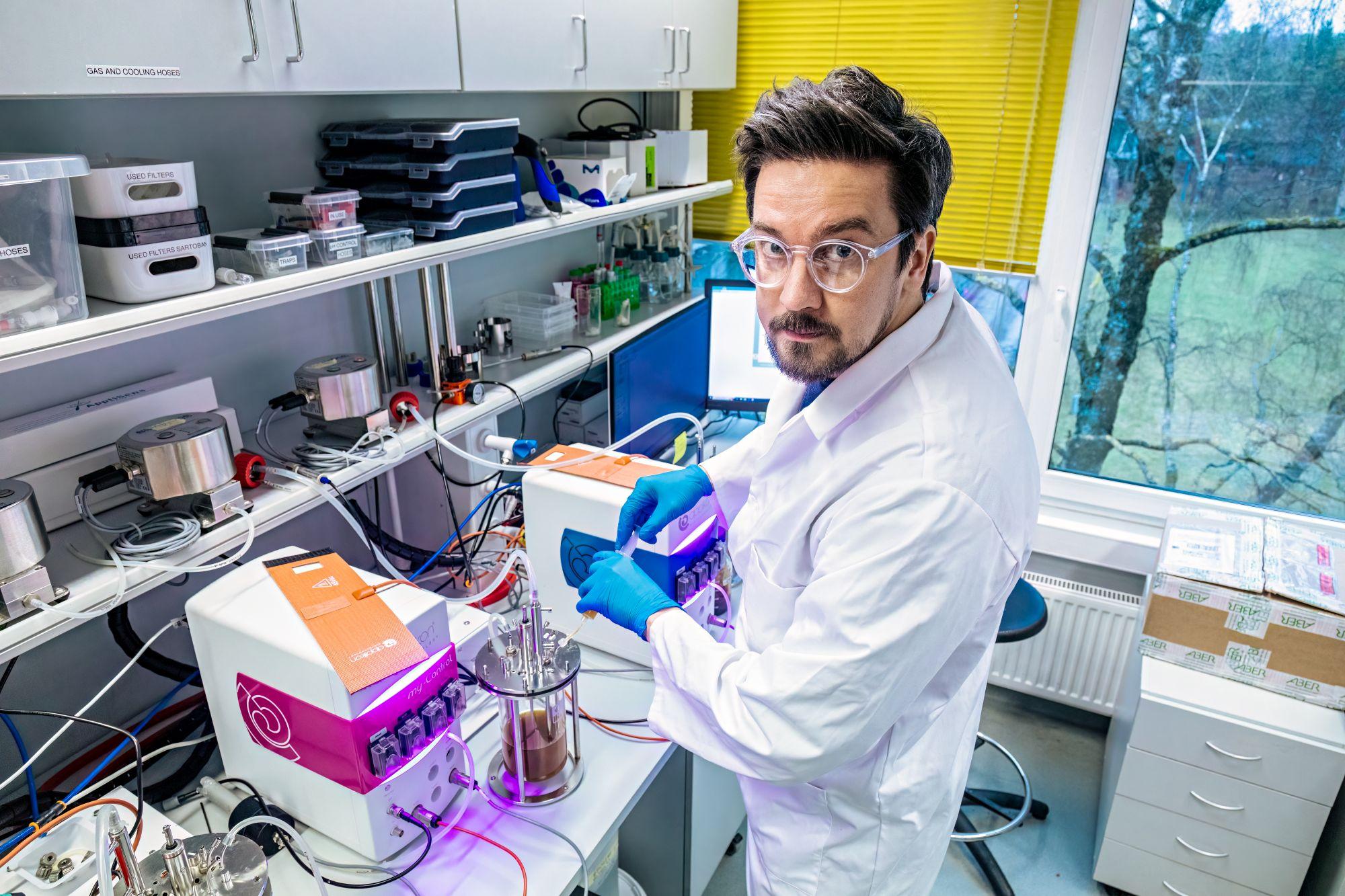
Äio is a TalTech spinout built on research conducted by Lahtvee and co-founder Nemailla Bonturi. It leverages biomass and precision fermentation to turn byproducts from the wood, dairy and wider food industry into nutrient-rich alternatives to animal and plant-based fats.
These sidestreams are fed to a proprietary ‘red yeast’ microbe to produce the fats, with the whole process requiring 97% less land and 90% less water than palm oil production, while being 10 times faster. These ingredients enable manufacturers to reduce dependence on land, climate conditions and volatile supply chains, and contribute to a circular economy by valorising waste.
It has been working with TFTAK since 2023 on the original DigiFoundry project, which focused on creating a prototype platform for automated microbial strain design and establishing a design-build-test-learn (DBTL) cycle to speed up the development of microbes that can produce the aforementioned fats.
That first project also included pilot-scale precision fermentation, sensory analysis, and techno-economic assessment of Äio’s production process.
Its successor, DF2.0, seeks to connect biological development with improved fermentation, automation, and digital process control, with the aim of establishing the technological foundation for the efficient and scalable production of Äio’s microbial oils, while reducing both development and manufacturing costs and accelerating the development of new ingredients.
“With DigiFoundry, we built the foundation. With DF2.0, we are connecting biology, fermentation and digitalisation into one integrated production system,” said Lahtvee.
TFTAK works across bioprocess optimisation, food research, analytics and product development to support projects from lab research and pilot-scale development through to testing in industrial production.
It helped develop the DBTL workflow, synthetic biology capabilities and microbial screening methods in the first DigiFoundry programme, including sensory analysis and identification of unwanted flavours and aromas. In DF2.0, the research organisation will help connect strain engineering with increasingly automated and data-driven production.
“DF2.0 brings together two areas that are essential for the next generation of industrial biotechnology: advanced biology and intelligent process development,” said Steven van der Hoek, scientific lead at TFTAK
“By integrating synthetic biology, fermentation and digital tools, we can generate much more information from every development cycle and use that knowledge to make the next cycle better. This collaboration allows us to build technologies that are scientifically ambitious but, importantly, designed from the beginning with industrial application in mind.”
Digitalisation and automation can unlock cheaper, scalable alternative fats
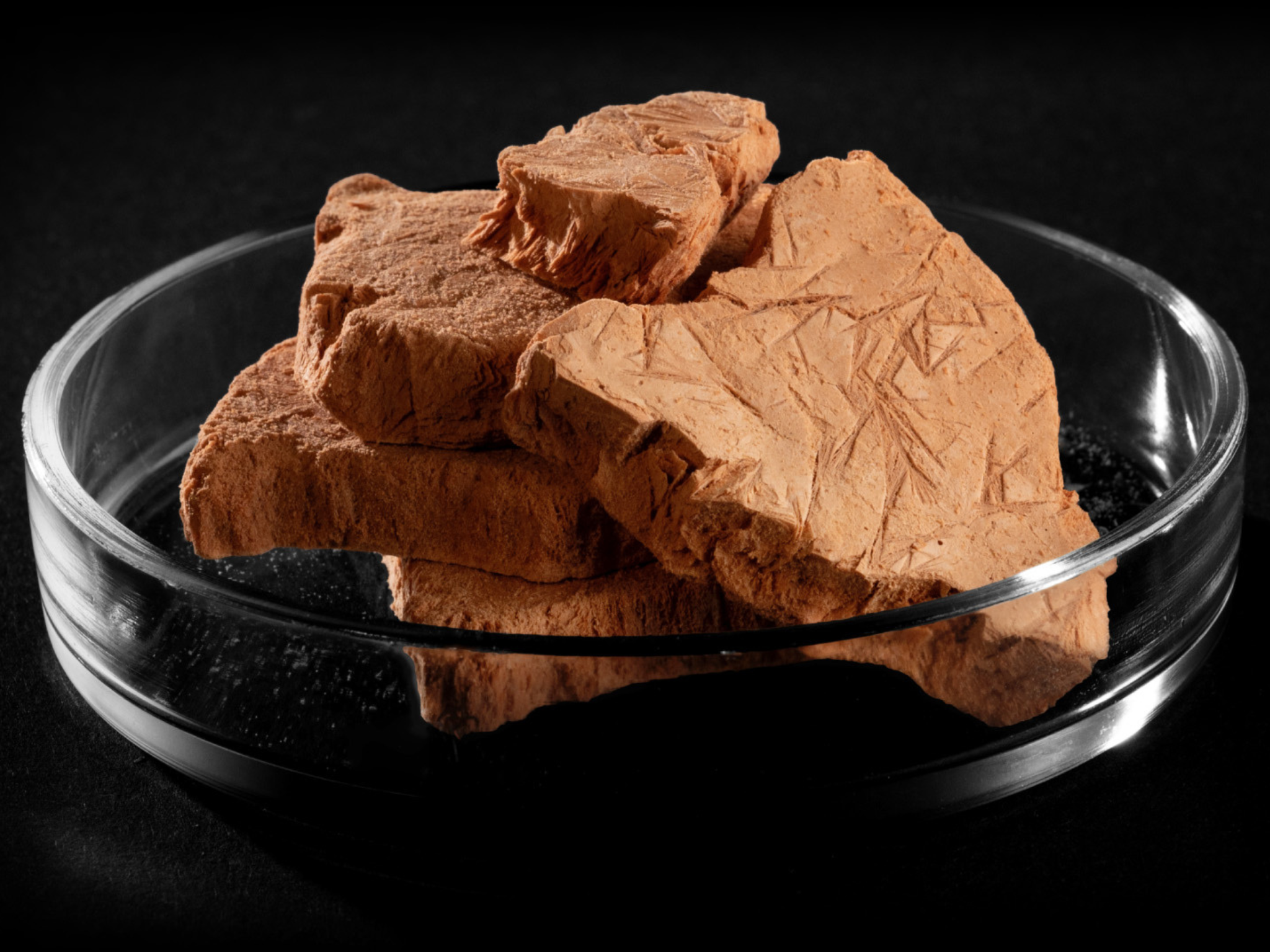
For Äio, digitalisation is an important part of making precision fermentation commercially viable. Biological processes generate information about everything from microbial performance and fermentation conditions to productivity and product characteristics. Connecting these data points via automated and digital systems can shorten development cycles, improve process control, and help translate lab research into industrial production.
“The future of biotechnology is not only about engineering better microorganisms. It is about creating smarter processes around them,” Lahtvee said.
“If we can understand and control fermentation in real time, we can use resources more efficiently, reduce production costs and adapt the process much faster to different raw materials and products. That is an important step towards making fermentation-derived fats and oils a real industrial alternative.”
The original DigiFoundry project reflected its aim to develop specialised microbial strains that can produce tailored fats, a critical part of its long-term business model. The platform was designed to make strain development faster and more efficient, with the resulting microbes intended for use by both Äio and others through tech licensing.
DF2.0 expands that concept from the microbes to the entire production process, bringing together strain development, improved fermentation and digitalisation to unlock a platform that can fast-track the creation of new ingredients and lower the cost of bringing them to industrial scale.
“DF2.0 is about turning sidestreams into the oils of tomorrow. Local industries already generate valuable carbon-rich sidestreams and biotechnology gives us tools to turn those resources into something new,” Lahtvee noted. “With digitalisation and automation, we can make that transformation faster, smarter, and more competitive and build a new generation of ingredients produced locally from resources we already have.”
The firm benefitted from two government-backed grants to scale up production in 2025, and is aligning its product development with EU regulations, ensuring full safety and compositional characterisation. It has been expected to kick off a Series A fundraise this quarter, which will help it notch large-scale tech licensing deals.
It’s already developing partnerships for larger-scale manufacturing, and is in talks with over 120 partners worldwide, including leading food manufacturers.
Äio entered the market with Fermira RedOil, a bright-red lipid that can be swapped for fish, seed and vegetable oils. This appeared in a skin-boosting serum co-created with personal care brand Tilk. Plus, it created Encapsulated Oil, a high-protein, high-fibre fat substitute for food and cosmetics; ZymaLipid Complex, a texture-enhancing and emulsifying alternative to palm, coconut and soybean oils.
Several other startups have developed fermentation-derived fat alternatives for the food and cosmetics industries, including Savor, C16 Biosciences, Clean Food Group, Melt&Marble, NoPalm Ingredients, and Terra Oleo.