US agriculture company Scoular is adding a second soybean dehuller at its Ohio facility amid growing demand for plant-based food and milk products.
Scoular, an ingredient processor for the grain, food and feed markets, is expanding its capacity to produce dehulled soybeans to meet customers’ demand for plant-based foods and milks in the US.
The company is installing a new dehuller at its site in Covington, Ohio facility, building on the success of the dehuller added at its plant in Andes, Illinois in 2023.
The new machine is set to be operational by mid-2027 and designed to support the continued growth of Scoular’s long-standing food and beverage customers across the world.
Covington site has ideal infrastructure for soybean dehulling
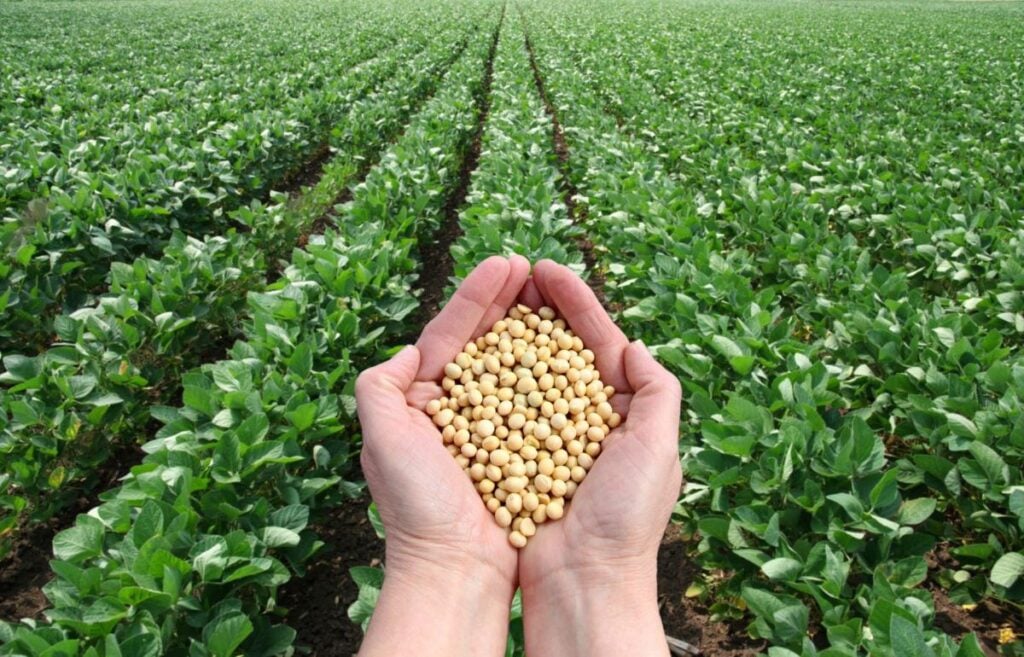
Dehulling removes the outer skin and hull of soybeans, leaving behind just the inner kernels. According to Scoular, manufacturers often prefer this form of the ingredient because of its higher protein concentration and faster water absorption.
The company says its strong grower network and experienced teams in Covington have helped establish the facility as a trusted supplier of food-grade soybeans for domestic and global markets, and its existing cleaning and colour-sorting equipment make it an ideal dehulling operation.
“Our investment at Covington is a direct result of the relationships we’ve built with both customers and producers,” said Scoular general manager Matt O’Hern.
“Our customers are growing and are looking for a reliable, long-term supply of high-quality dehulled soybeans, creating additional demand and opportunities for our producers who have made Covington a trusted supplier.”
The investment will also create more opportunities for farmers and producers supplying “identity-preserved, non-GMO and organic soybeans” to the facility in Ohio.
Scoular has been doubling down on its sustainability ambitions. In Illinois, the company launched a climate-smart programme funded by the US Department of Agriculture in 2024, rewaring soybean producers who adopt practices that reduce greenhouse gas emissions, promote carbon sequestration, and improve soil health.
Plant-based milk manufacturing in focus
Demand for Scoular’s soybeans has continued to climb, with the company also pointing to the forecasted growth of non-dairy milk, which is set to grow by nearly 14% annually through 2032.
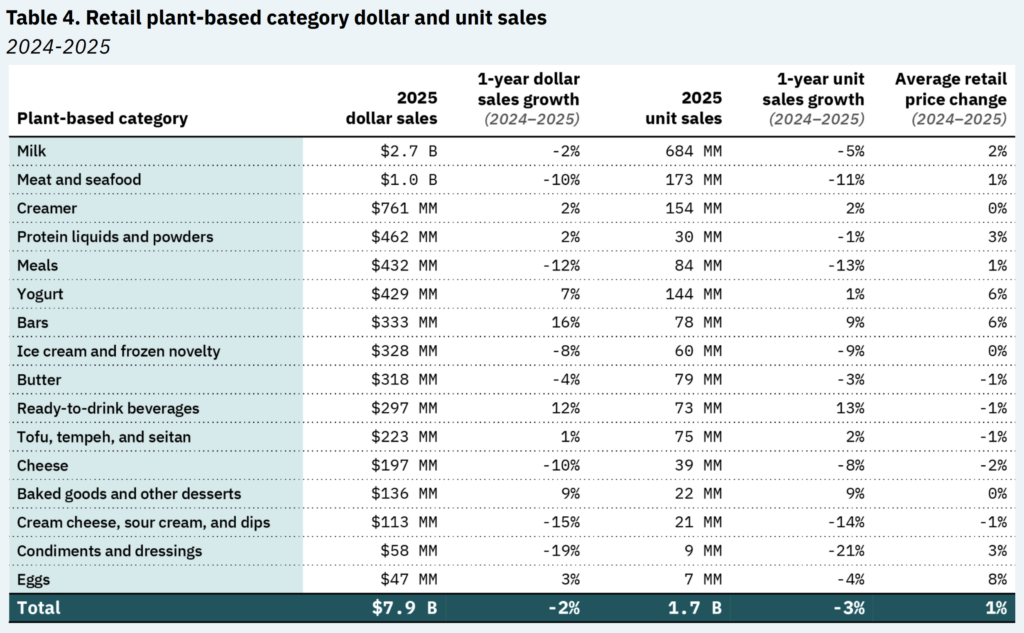
Soy milk has been one of the outliers in an otherwise faltering market for plant-based foods in the US. According to SPINS data crunched by the Good Food Institute, retail sales of dairy-free milk fell by 2% to $2.7B in 2025, despite remaining the largest segment within the plant-based sector.
Soy milk, however, enjoyed a 4% uptick, with GFI identifying it as a gateway category for broader plant-based milk consumption. It’s why companies like Danone have been pumping more soybeans into their milk alternatives, with its Silk range now selling high-protein soy milk featuring 13g of the macronutrient per cup in the US and 18g in Canada.
Danone, however, announced in May that it will close its 25-year-old plant-based dairy facility in New Jersey, which produced products for its Silk and So Delicious Dairy-Free brands, affecting 114 jobs.
Expanded manufacturing has been a core focus for the milk alternatives industry, which accounts for 78.5% of all plant-based food sales globally. In the US, Fenton Food and Beverage, a new company by the owner of Ya Ya Foods, received a $56.2M grant from Michigan state to build an industrial site to produce components for plant-based milk.
Elsewhere, Oatly invested $16M into a facility in Sweden to expand capacity by over 33% and meet the accelerating demand for its products, and Bauer Group opened a production and innovation hub for plant-based dairy products in Bavaria to bring manufacturing in-house.