Swiss venture capital firm Beyond Impact has published a white paper making the case for investor attention to shift from consumer-facing plant-based brands toward the ingredient and enabling technologies that underpin the wider food system transition.
The paper, titled Ingredients for a Sustainable Future, positions precision fermentation, cellular agriculture, and molecular farming as the three central production technologies requiring infrastructure investment, arguing that shared biomanufacturing capacity and platform-level science will have greater long-term commercial impact than branded product launches.
The investment case
The document frames food system transformation primarily as an economic opportunity rather than an ethical directive. It cites the global animal protein industry at $1.9 trillion in value and estimates that a 10% shift toward alternatives represents a $190 billion addressable market. The alternative protein sector is projected to reach $290 billion by 2035, according to figures cited in the paper, with precision fermentation growing at a compound annual rate of over 40%.
Beyond Impact identifies five investment domains it considers most commercially relevant: platform technologies including AI-driven formulation and fermentation libraries; ingredient platforms covering alternative fat and emulsifier systems; shared manufacturing infrastructure; regionalised production models; and cross-sector applications in cosmetics, pharmaceuticals, and bio-based materials.
The paper argues that cost parity remains the primary constraint, with most alternative ingredients currently priced 10 to 50% above conventional equivalents, and that economies of scale, improved production strains, and policy support are required to close that gap.
Regulatory and infrastructure gaps
Beyond Impact identifies regulatory fragmentation as a structural barrier to scaling. Cultivated meat has received approval in Singapore, the US, and Israel, but the paper notes that most jurisdictions still lack clear frameworks for novel foods and biofabricated ingredients. The firm calls for science-based, harmonised international standards and draws a parallel between food biomanufacturing infrastructure and earlier public investment in energy grids and broadband networks.
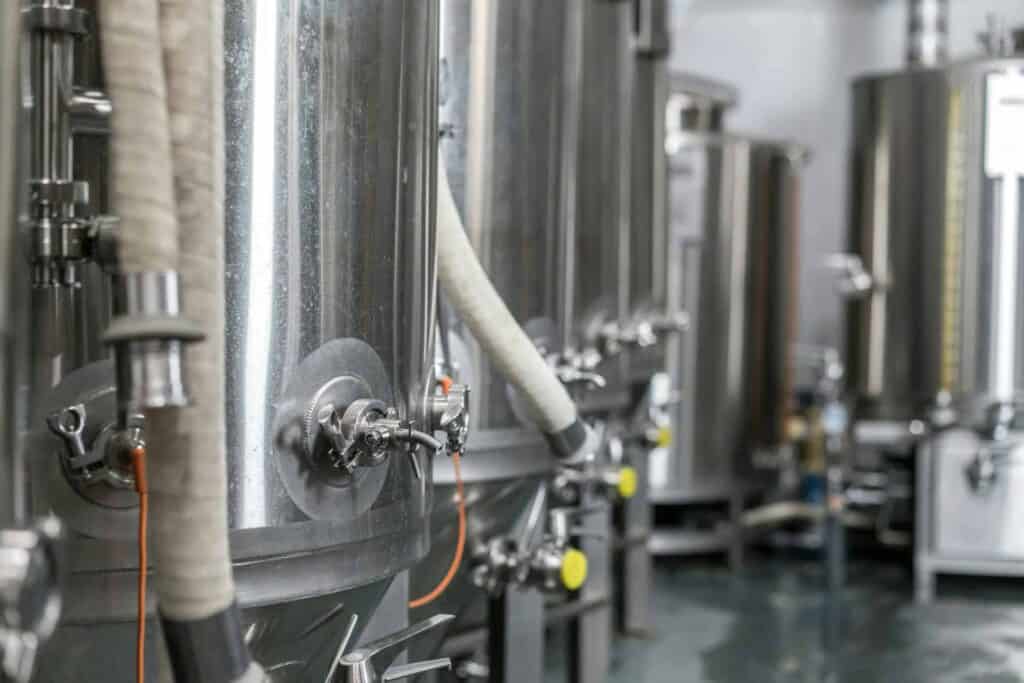
The paper also points to a capacity bottleneck: global fermentation infrastructure is currently dominated by the pharmaceutical sector, leaving food and ingredient startups competing for access to bioreactors and sterile processing facilities.