
RespectFarms has teamed up with the South Holland province to launch the first Cell Farmers Symposium, highlighting how the cultivated meat industry can help farmers.
The what-happens-to-farmers argument is one of the most pressing points of opposition to cultivated meat, but a new summit in the Netherlands seeks to allay those concerns.
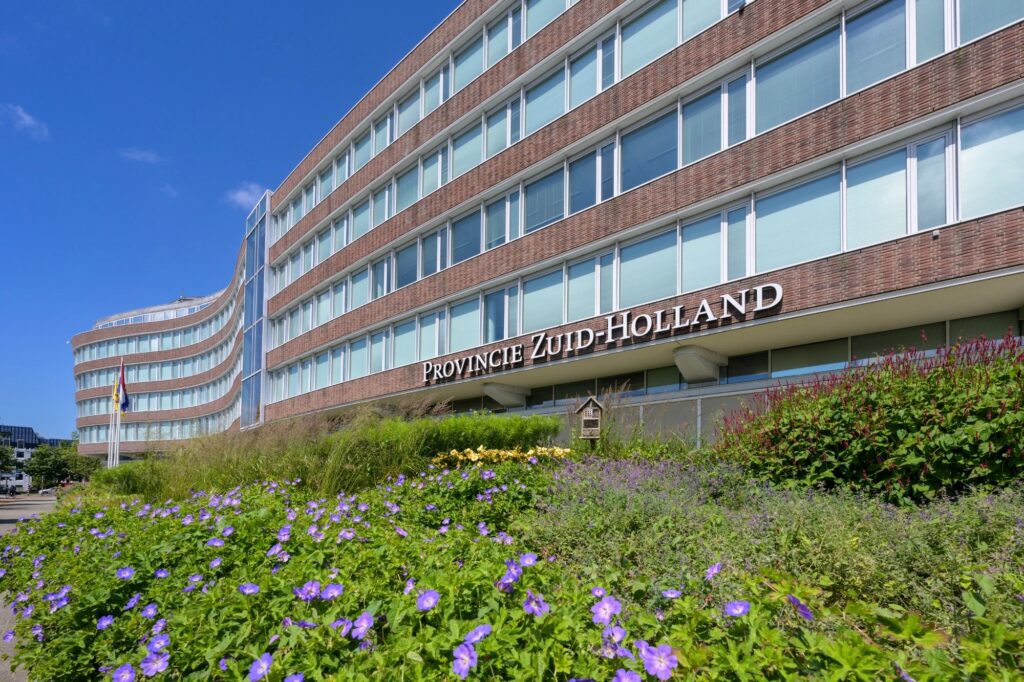
Hosted by systems integration firm RespectFarms in collaboration with the South Holland province, the Cell Farmers Symposium will convene stakeholders from across the supply chain in The Hague on June 4.
The first event in an annual series, it will explore how farmers can benefit from the rise of cellular agriculture, and even remain at the centre of food production.
“Farmers should not be excluded from the future of food production,” said Ira van Eelen, co-founder of RespectFarms. “This symposium is about bringing agriculture, science and innovation together to explore what new opportunities could look like for farmers and rural communities.”
Exploring business models, barriers, and opportunities for farmers
The symposium will explore how cultivated meat production could become an additional business model for farms, and how new agrifood tech systems can be incorporated into existing farm operations.
Farmers, policy leaders, food system experts, and food tech and cellular agriculture stakeholders will discuss how cultivated meat can become an integrated part of the future farming ecosystem.
Among the topics they will discuss are emerging opportunities in cellular agriculture; technical, regulatory and economic barriers; new business models for farmers, and the role of South Holland as a European innovation hub.
Through the initiative, RespectFarms aims to strengthen the dialogue among science, agriculture, industry and regional innovation ecosystems regarding future foods.
It will include speakers like Aleph Farms co-founder and CEO Didier Toubia; Cellular Agriculture Netherlands chair Maresa Oosterman; South Holland’s senior economic strategist, Wijnand van Smaalen, and economy and energy director, Ton Jonker; and farmers Corné van Leeuwen, Focko Zwanenburg, Ruud Zanders, and Leon Moonen.
Policymakers have been citing threats to farmers as the drivers of legislative restrictions and bans on cultivated meat. However, research shows that farmers recognise the opportunities presented by cultivated meat and have opposed such bans on them, noting that they don’t need the government’s help to compete with these proteins.
Instead, they’re more worried about the social issues this technology raises, like Big Food controlling the market or the knock-on effects on rural communities, than about its impact on their bottom lines.
South Holland home to the world’s first cultivated meat farm
Consumer organisation Euroconsumers notes that small-scale on-farm cultivated meat production “can offer opportunities for farmers“, as long as we “keep things fair and make sure benefits don’t just go to a few big players”.
It further found that when it comes to ensuring the safety of cultivated meat, way more Europeans place their trust in farmers (27%) than retailers or private companies (11%), according to a Euroconsumers survey this year.
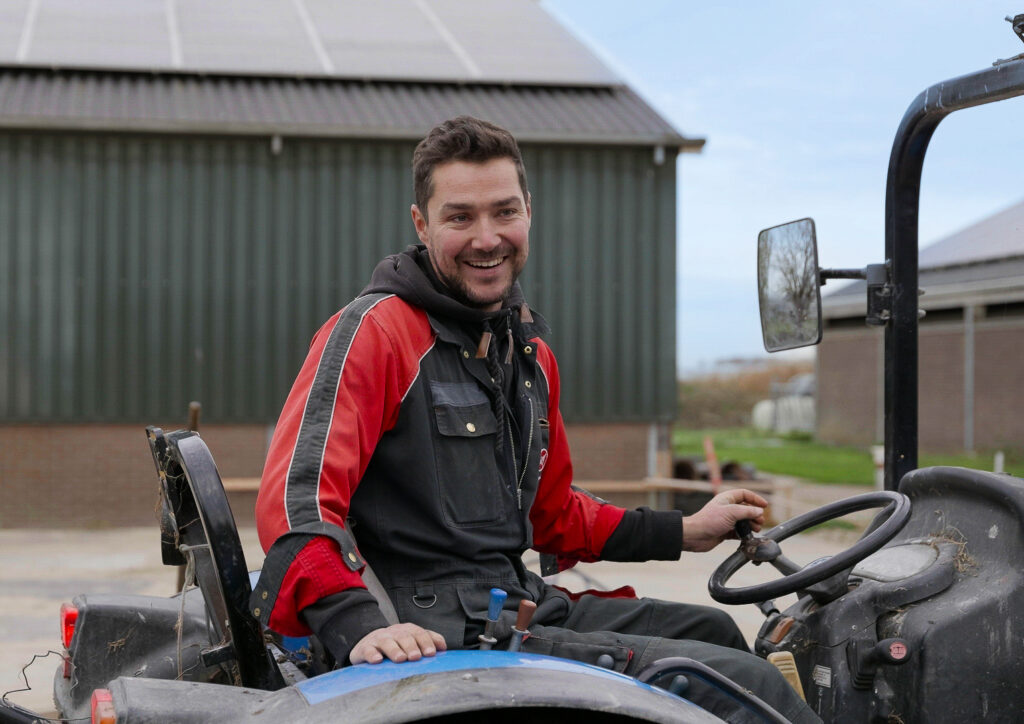
RespectFarms has been driving this conversation. It helped open the world’s first cultivated meat farm last year, equipping van Leeuwen’s dairy operation in South Holland with a cultivated protein production unit.
The project creates a real-world test centre for learning how cultivated meat production can complement livestock farming. RespectFarms is opening an experience centre at the farm to engage with farmers, value chain stakeholders, and policymakers, while welcoming local communities and educators to witness cultivated meat production firsthand. The goal is to foster public engagement and transparency.
“The consumption of the current amount of animal products is not sustainable within the planet’s capacity. So, we need to find other ways to provide for our food,” said Zanders, who co-founded both RespectFarms and sustainable agriculture company Kipster.
RespectFarms is part of the Craft (Cellular Revolution in Agriculture and Farming Technology) Consortium, alongside Wageningen University & Research, cultivated meat firms Mosa Meat, Aleph Farms, Multus, Kipster, and facility design specialist Royal Kuijpers.
The group was awarded a €2M grant, co-funded by the EU-backed accelerator EIT Food, to build the farm. The upcoming symposium will include reflections on “some of the first experiences” of embedding cultivated meat production on a working livestock farm.
“Within the Earth’s capacity and with as little impact as possible on animals, humans, the climate and with a future for the (livestock) farmer. Et voila: the cultivated meat farm,” said Zanders.