
La Roche Posay and Primally Pure have launched sun care campaigns for increased awareness in melanoma prevention and ingredient transparency, respectively.
While May’s Melanoma Awareness Month draws to a close, skin cancer rates continue to climb. Yet misinformation persists, and sun safety standards remain “outdated.” The campaigns approach the issues of sun and sun care safety from different angles, emphasizing the increasingly pressing matter of public health.
Derma-cosmetics heavy hitter La Roche Posay’s “The Burning Truth: Debunking Myths About The Sun” campaign aims to tackle tanning misinformation in younger generations through a four-part web-docuseries.
Meanwhile, non-toxic skin care brand Primally Pure is demanding updated ingredient safety standards, transparency, and independent research through its “Trust the Sun. Question Your Sunscreen” campaign.

Question your sunscreen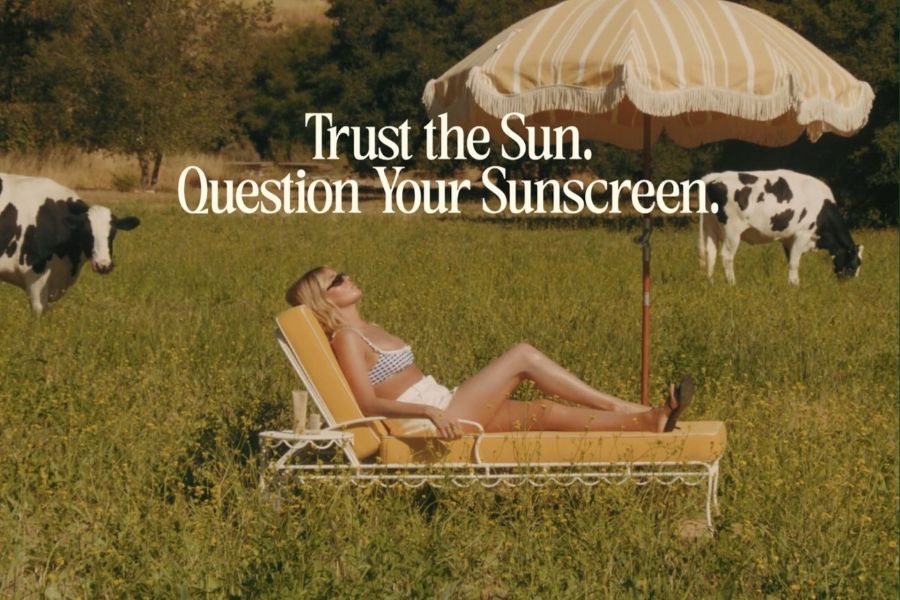
Primally Pure questions sunscreen ingredient transparency.
Founded in a regenerative farm, Primally Pure has made sustainable, non-toxic, and naturally sourced formulations a foundational pillar of its brand identity. The “Trust the Sun. Question Your Sunscreen” campaign scrutinizes the US sun care ingredient safety standards, calling them “outdated.” Additionally, it calls into question why chemicals banned from oceans and reefs are allowed in sun care products that are used topically on a daily basis.
The campaign is approaching the issue of ingredient transparency and safety by questioning the US FDA directly via a billboard in Times Square in New York City, US, an open letter on the Primally Pure website, a free sunscreen ingredient checker, and a petition on Change.org.
“Consumers are paying attention now,” says Bethany McDaniel, founder of Primally Pure. “They’re reading labels, asking questions, and looking beyond marketing claims…This campaign is our invitation to raise the bar for our industry and for regulators.”
The campaign’s objective is to draw attention to publicly accessible, yet seldom-seen data. Primally Pure highlights that the FDA has not materially updated its sunscreen ingredient safety regulations since 1999.
Furthermore, the FDA confirmed only two out of 16 active sunscreen ingredients as safe and effective in 2019. Almost a decade after the fact, the remaining ingredients from that list, which could not be confirmed as safe, are still available on the US market.
The company draws attention to oxybenzone, a common sunscreen ingredient that the FDA revealed to be “absorbed into the bloodstream over 400 times the FDA’s threshold for requiring additional safety testing.” Additionally, several UV filters have been banned from marine environments for ecosystem safety concerns, yet remain available for use on human skin.
“We question what’s in our food. We question what’s in our cleaning products. Parents read every ingredient before they feed their kids,” says McDaniel. “All we’re saying is: do the same thing with your sunscreen. Even if you never buy ours. Just read the label. Ask if those ingredients have been proven safe. And if they haven’t, ask why they’re still there.”
The burning truth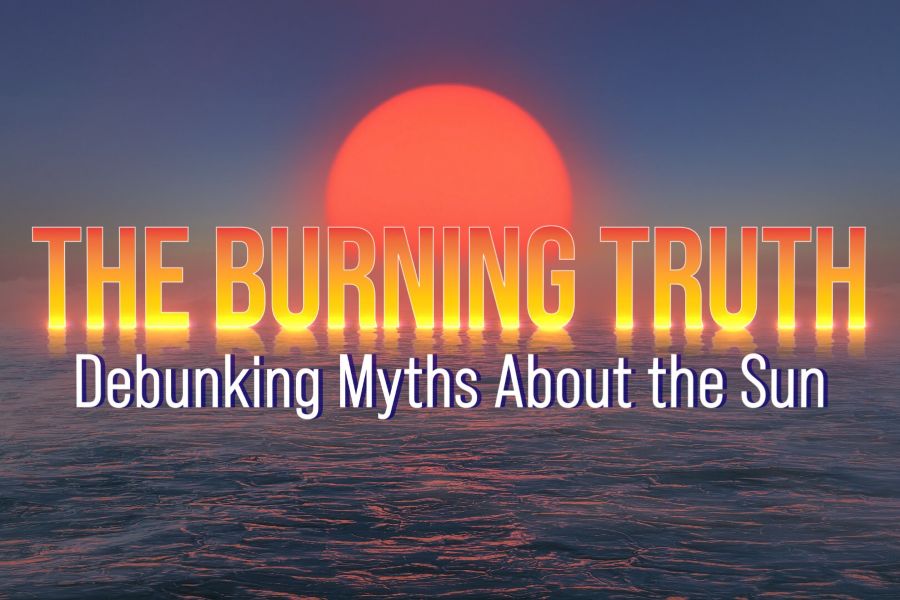
La Roche Posay educates teens on sun safety.
La Roche Posay’s The Burning Truth web series is created and hosted by Dr. Whitney Bowe and aims to meet audiences where they are by creating entertaining content. Bowe, who is a board-certified dermatologist and research scientist, teaches the series alongside her 14-year-old daughter to engage the core audience between 13 and 24 years old.
The primary purpose of the series is to debunk sun care myths that have been aggravated by misinformation rapidly spreading on social media. Claims that people only need SPF on a sunny day, or that DIY sunscreen is an effective alternative, put younger generations with higher social media exposure at risk. The series aims to mitigate this misinformation in a humorous but scientific way.
The Burning Truth docu-series is endorsed by IMPACT Melanoma, a US-based non-profit specializing in reducing the prevalence of melanoma in the country.
“The Burning Truth supports IMPACT Melanoma’s mission and our work with sunscreen and other prevention innovations. Along with a successful Harvard School of Public Health research project that explored teen use of sunscreen, funded by the Centers for Disease Control and Prevention, there is a greater need to provide evidence-based work in this prevention area,” says Justin Hartman, VP of marketing at La Roche-Posay.
“While skin cancer is one of the most preventable health challenges, it continues to affect millions annually, and our mission is to close the gap between awareness and life-saving action. … We are determined to transform how people of all ages view sun safety, making consistent protection a universal standard for healthy skin.”
Generational knowledge gaps
La Roche Posay aims to “close the gap between awareness and life-saving action.”
Earlier this month, the American Academy of Dermatology’s (AAD) annual Practice Safe Sun Survey results showed that many US citizens do not practice adequate sun safety, with misinformation, social media, and tanning myths acting as driving factors.
In the national survey of 1,132 US adults, the AAD found key gaps in information and sun safety literacy. While over half of those surveyed reported regular use of sunscreen, almost half also received a C or lower score on AAD’s sun safety quiz, which assesses knowledge related to sun protection.
The report also found that compared to previous generations, Gen Z is performing poorly in sun safety, with one in three scoring a D or F on the AAD sun safety quiz despite high self-reported confidence in their sun care knowledge. The discrepancy underscores a rift between perceived and actual knowledge, making the demographic vulnerable to skin health issues due to a lack of proper prevention.
“While it’s encouraging that over half of Americans are using sunscreen, young people and adults are navigating an overwhelming amount of conflicting information about sun protection,” says Murad Alam, AAD president and board-certified dermatologist.
In other skin safety and care equity efforts, La-Roche Posay funded the development of the Skin of Color Skin Toxicity Photo Repository, a “first-of-its-kind” digital database designed for oncology nurses to identify abnormalities in non-white skin tones.
The initiative addresses the critical and potentially fatal racial disparity in cancer care. The database focuses on how side effects caused by cancer treatments appear on diverse skin tones to enable early detection and life-saving care.
The company cited that an estimated 80% of oncology patients suffer skin toxicity effects from cancer treatments. However, only 4.5% of educational materials for medical professionals feature diverse skin tones. Meanwhile, 40% of the US population is non-white.
Primally Pure questions sunscreen ingredient transparency.
Primally Pure questions sunscreen ingredient transparency.
Primally Pure questions sunscreen ingredient transparency.
La Roche Posay educates teens on sun safety.
La Roche Posay educates teens on sun safety.
La Roche Posay educates teens on sun safety.
La Roche Posay aims to “close the gap between awareness and life-saving action.”
La Roche Posay aims to “close the gap between awareness and life-saving action.”
La Roche Posay aims to “close the gap between awareness and life-saving action.”