
US plant-based meat brand Daring Foods has expanded into Australia, following its acquisition by local plant protein player v2food last year.
Australian meat alternative player v2food has rolled out Daring Foods’s frozen vegan chicken in the country, nine months after acquiring the US startup.
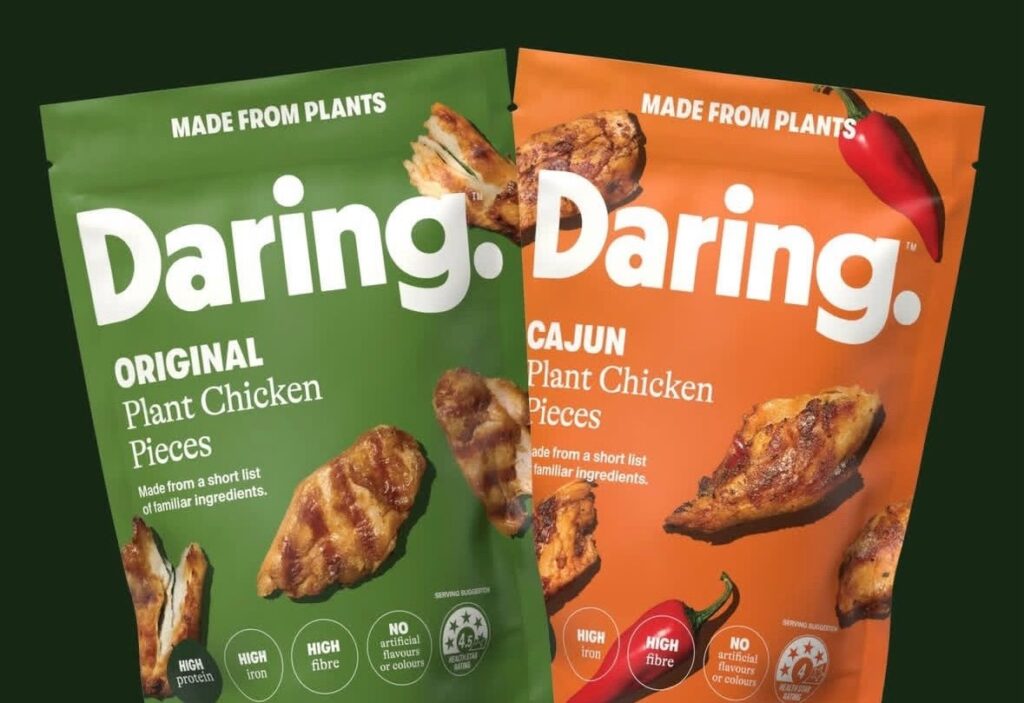
Daring’s original and cajun-flavoured plant-based chicken pieces can now be found in the freezers of Woolworths Group stores nationwide, marking the brand’s first foray outside the US.
v2food suggests that the chicken can “sear, brown and pull apart in the pan”, and is devised for quick dinners, meal preps, and high-protein lunches.
“As the number-one plant-based meat business in Australia, we are excited to bring more delicious options to the table for Australian consumers,” said v2food CEO Tim York.
Daring’s vegan chicken aligns with Australia’s clean-label market
Founded by Ross Mackay and Elliot Kesses in 2018, Daring is one of the most well-known alternative meat brands in the US. It capitalised on the category’s investment boom at the turn of the decade, raising over $120M in a 13-month period from 2020-21.
It has a line of meat-free chicken pieces and nuggets (made from soy protein), as well as frozen entrées (either 100% plant-based or vegetarian) featuring its signature meat alternative. Daring products are available in over 15,000 stores across the US, reportedly generating $30M in annual revenue.
It’s now bringing its first products into Australia, pushing them as a vehicle for convenient and versatile nutrition, with a key focus on the additive-free ingredient list. The plain chicken contains just soy protein, vegetable oil, salt, natural flavouring, and spices, while the Cajun version has extra spices and seasonings.
While clean-label formulations are in demand everywhere, they’re most pertinent in the Australasia region, where nearly half (49%) of products featured such a claim in 2024/25.
Daring’s chicken also delivers 17.6-21.2g of protein per 100g, alongside 6-7g of fibre. Interest in these two macronutrients is growing amid the rise of GLP-1 drugs, which are now being used by half a million Australians.
While most citizens meet daily protein requirements, GLP-1 users are at risk of falling short. One study suggests that less than 10% of this group meets their protein goals. Plus, they experience a 25-40% decrease in muscle mass over eight to 16 months (much more than with non-medicated weight-loss approaches and age-related muscle loss).
Most Australians also fail to meet their recommended fibre intake, but this nutrient can naturally regulate the GLP-1 hormone in the body, boosting satiety and weight management.
A standalone protein, not a meat alternative
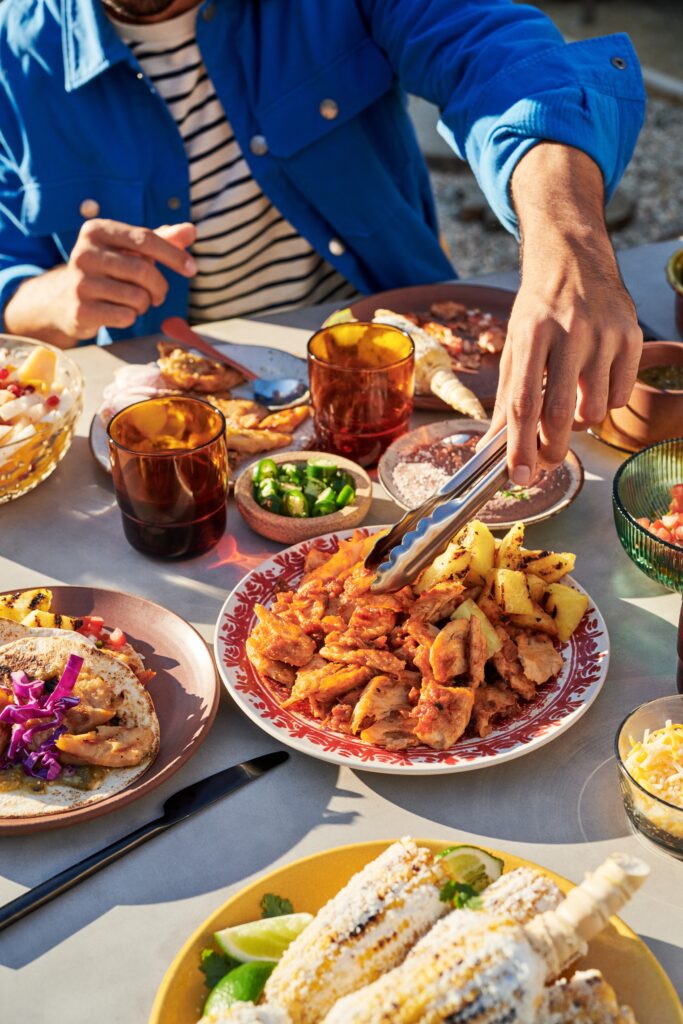
Daring’s vegan chicken is being positioned as less of a meat substitute, and more of a standalone protein designed for flexibility and easy everyday use.
“Consumers have become a lot more selective about what they’re putting into their bodies. People still want convenience, but they also want cleaner ingredients, more protein and products that actually taste good,” said Daring CEO Chris Coburn.
Despite declines in North America and parts of Europe, global sales of plant-based meat rose by 8% to reach $6.6B in 2025, while volume sales were also up by 3%. However, Asia-Pacific represents just over 5% of the market for meat alternatives. In Australia, less than one in five consumers buys these products.
So Daring’s move here isn’t without risk – plant-based meat hasn’t had it easy in the Antipodean region. Long-standing players like Profrom Foods (behind the Meet brand of meat alternatives) and Sunfed Meats have shut down amid funding troubles, while The Aussie Plant-Based Co and Australian Plant Proteins came close to the brink (they’re both back in the market now).
“We know the category is moving away from regular meat substitutes and toward foods and products that stand on their own merit, and that’s what Daring was made to do,” said Coburn.
As part of the Daring acquisition, v2food also secured an investment from Japanese conglomerate Ajinomoto, which has been expanding its alternative protein horizons. Together, the three entities are now developing clean-label plant protein products, including a range of frozen meals with short ingredient lists and a focus on taste, nutrition and affordability.
“The acquisition represents an important step in our commitment to diversify our portfolio and expand into the next generation of high-performance protein products,” said York.