
Noah Praamsma, MS, RDN, is a nutrition education coordinator with the Physicians Committee for Responsible Medicine, a Washington D.C.-based nonprofit that advocates for preventative medicine, higher standards in research, and plant-based nutrition. With a Master of Science in dietetics from the University of Vermont and a background spanning public health, clinical nutrition, and advocacy, Praamsma works to deliver nutrition education to medical students, health professionals, and the broader public.
We spoke with him about the ultra-processed food debate, why plant-based alternatives are often unfairly caught in anti-UPF policies, and what the science actually says about their health outcomes.
Why do you think the conversation around ultra-processed foods has become so polarized in recent years?
Recently, concern over ultra-processed foods has become more widespread, and the Make America Healthy Again movement, which represents people from both parties, has made it one of its key issues. There’s a lot of misunderstanding about what defines an ultra-processed food and whether it is going to help or harm your health. Low understanding combined with profit-driven industry groups and misinformation on social media leaves a lot of people not knowing what to believe, or worse, developing a strong conviction that isn’t based on science.
What are some examples of plant-based ultra-processed foods that you believe are unfairly grouped together with products like processed meats and sugary drinks?
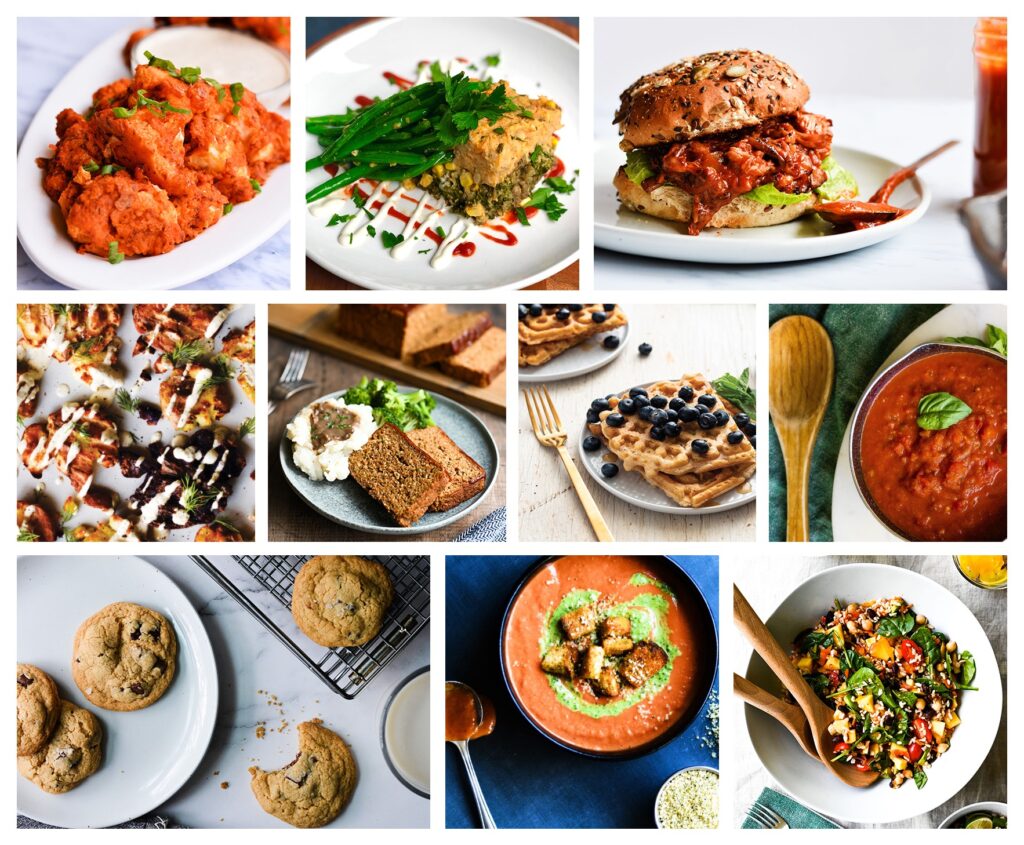
The research has been pretty clear on the ultra-processed foods that are healthy: dark and whole-grain-based foods like breads and cereals, plant-based meat alternatives, and plant-based foods with added nutrients like thiamin, folate, and iodine. Some studies have also found that packaged sweet-and-savory snacks and fruit-based products lower the risk of type 2 diabetes.
Specific examples would include a packaged multigrain loaf of bread with preservatives, vegan sausage patties like from a brand like MorningStar, a variety of snack bars like Fig Newtons, and many breakfast cereals.
The report argues for a more nuanced classification system. What specific nutritional criteria matter most when evaluating whether a processed food supports health?
No single rule or criteria can simply separate unhealthful processed foods from healthful processed foods. That said, the best single choice a person can make within the UPF category is to avoid products that are of animal origin or use animal-based ingredients.
There are several reasons this is important. First, unhealthful processed foods are often high in fat, especially saturated fat, and low in fiber. Animal-based foods closely follow this trend. Another reason is that animal products, especially when processed, contain compounds known to cause cancer, heart disease, and diabetes. These include trimethylamine N-oxide (also called TMAO), advanced glycation end products (known as AGEs), and others.
On the positive side, a rule that can guide people toward the healthiest foods is to choose products with:
- At least 1 gram of fiber per 70 calories
- Less than 7 grams or fat per serving
- Less than 1 milligram of sodium per calorie
How concerned are you that broad anti-UPF policies could unintentionally discourage people from choosing healthier plant-based alternatives?
That federal nutrition policies could discourage eating healthy foods that happen to be ultra-processed is certainly a concern. On the one hand, it could lead people to choose less healthy, unprocessed or minimally processed foods, like red meat, rather than healthier plant-based alternatives. On the other hand, we’re concerned that some people could risk becoming deficient in the vitamins and minerals that are added to processed foods. Vitamin D, for example, needs to either be consumed through fortified foods or gotten from sun exposure because it is not naturally present in food (plant- or animal-based).
Many consumers associate “processing” with unhealthy food. From a dietitian’s perspective, where does that perception fall short?
Food processing includes a wide range of procedures, including cooking, canning, blending, freezing, and dehydrating. Assuming all processing makes foods less healthy ignores food science, personal preference, and principles of public health.
Many forms of processing increase nutrient availability: Lycopene in tomatoes is far more accessible in sauces and pastes than in raw tomatoes, for example. As a dietitian, I often tell people that the healthiest foods can only be the ones that you’ll actually eat, so if someone doesn’t like raw vegetables, I’ll happily recommend they eat them cooked.
And not all areas of the world, and even the country, have access to fresh produce, which is where canned and frozen foods become the healthiest option. In fact, many canned and frozen foods may actually be healthier than fresh, as they are usually processed at peak ripeness and haven’t had a chance to degrade in their nutritional quality while being shipped on a truck or boat from far away. Finally, vitamin and mineral fortification has been a huge win for public health, such as using folate in foods to prevent neural tube defects in babies whose mothers would otherwise be deficient during pregnancy.
What does the current scientific evidence tell us about the health outcomes linked to plant-based meat alternatives compared to conventional processed meats?
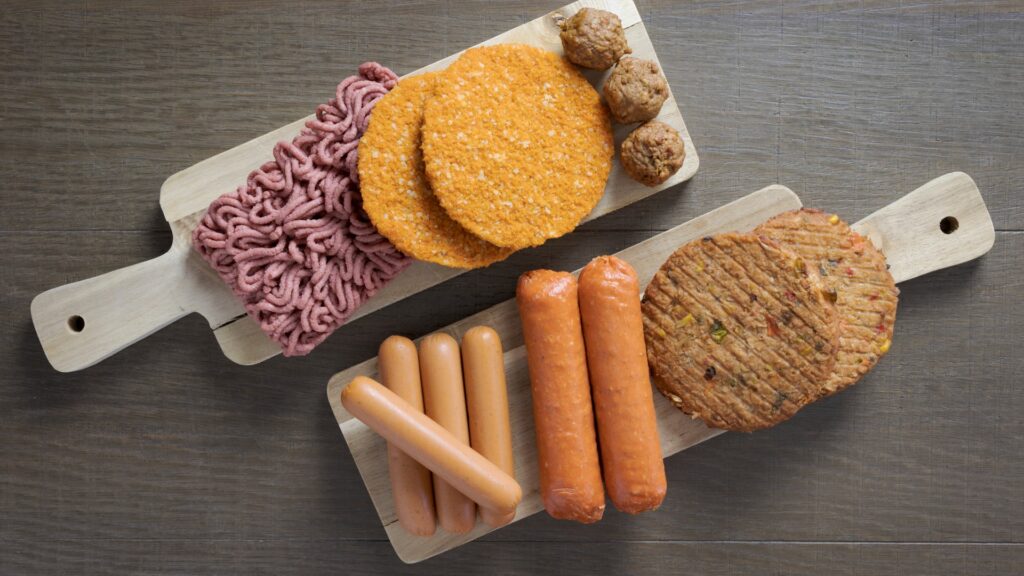
Studies have found that switching from meat (processed or unprocessed) to meat alternatives such as plant-based burgers, sausages, nuggets, and patties lowered blood triglycerides, LDL cholesterol, and body weight in adults with cardiovascular disease. At least one study has looked at the effects of swapping meat in healthy adults and found similar benefits.
How could future FDA or federal UPF definitions impact innovation in the plant-based food industry?
Many companies that make plant-based alternatives began as start-ups that relied on investors who helped them develop products and bring them to scale. The assumption is that a plant-based alternative that tasted better, cost the same, and was healthier (not to mention better for the environment) would perform well in grocery stores. However, fear around food processing and policies that discourage plant-based alternatives are hurting business and could threaten the viability of companies that are making healthy, tasty, sustainable, plant-based products.
How do you see the debate around ultra-processed foods evolving over the next few years as more research emerges?
It’s hard to know how the discussions around UPFs will play out. However, as more research emerges and the truth becomes harder to ignore, we hope that more and more people will come to understand that animal products, both processed and not, are far more to blame for America’s health crisis than the many healthful plant-based UPFs that we’ve talked about. We also hope that this will truly become a bipartisan issue that everyone will acknowledge the importance of.