
Sustainability that doesn’t compromise aesthetics is no longer negotiable in personal care packaging. Ahead of London Packaging Week 2026 (September 16–17), its organizer, Easyfairs, has highlighted the industry’s move from sustainability as a design feature to a regulatory requirement.
Perspectives from WRAP, Gentlebrand, and Beyondly underline that regulation, circularity, and changing consumer expectations dictate that brands must balance ecological responsibility while maintaining aesthetic appeal.
The aesthetics of packaging is an essential part of brand messaging and attractiveness to beauty consumers. As packaging regulations and consumer sentiments toward sustainability heighten, beauty players must navigate maintaining aesthetic appeal with ethical backing.
Packaging is increasingly evaluated by its ethical positioning. As brands are faced with growing material scarcity, regulatory pressure, and heightened consumer awareness, beauty and ecology are becoming inseparable measures of packaging design.
“[Sustainability] is not the main topic anymore, but it’s still present in every briefing,” says Uwe Melichar, sustainable packaging expert and VP at the European Brand and Packaging Design Association. “You’ll always find sustainability aspects. It has become more of a hygienic factor; something brands simply need to get right.”
He adds that the focus has shifted away from headline innovation, with brands now concentrating on “doing the fundamentals properly, like moving toward mono-materials and ensuring what they do is genuinely right.”
Packaging as brand language
With the regulatory and functional requirements around packaging finding a steady footing, the cultural narratives around what packaging implies are gaining traction. Beauty packaging is aiming to balance visual appeal and sustainability.
“Packaging is increasingly a semantic tool — part of our non-verbal language,” says Andrea Rizzardi, director at Gentlebrand. “We choose products because we feel a connection with a brand. In a commodity-driven market, what matters most is brand personality, and the semiotic power of packaging to let consumers express themselves through what they buy.”
Beauty packaging is no longer developed to only catch the consumer’s attention at the moment of purchase. It is now also expected to be designed sustainably before the design phase and beyond disposal.
Some personal care brands like Fussy and Wild deodorant have integrated refillable and reusable formats with circular systems to reduce reliance on single-use packaging. These moves reshape brand identity and consumer interaction, according to Easyfairs.
Catherine David, CEO at WRAP, underlines that refillable cosmetic formats offer consumers novelty and can support the establishment of brand loyalty.
Sustainability as intelligent design
While historically sustainability requirements in the industry have been framed as constraints or roadblocks to maneuver around, Easyfairs states that this framing is “increasingly obsolete.” Refillable formats are changing how consumers are engaging with beauty brands.
Industry players are viewing sustainability requirements as an opportunity for intelligent design. Intelligence, in this context, is “visible in the evolution of packaging from static object to connected system. Reusable formats increasingly rely on digital infrastructure — QR codes, RFID, and tracking systems — to maintain circulation and prevent loss within the value chain,” says Easyfairs.
This form of tracking and overview supplies data that provides brands with a “huge opportunity” to gain insights about their consumers’ behavior and their products, according to David.
Talia Goldman, environmental, social, and governance director at Sabert, sees the guidelines around sustainability as an opportunity for thinking outside the box.
“This can help to drive innovation, pushing designers and manufacturers to solve the challenges pushed forward by these constraints — and engage in a bit of healthy competition,” she says.
Regulating packaging beauty
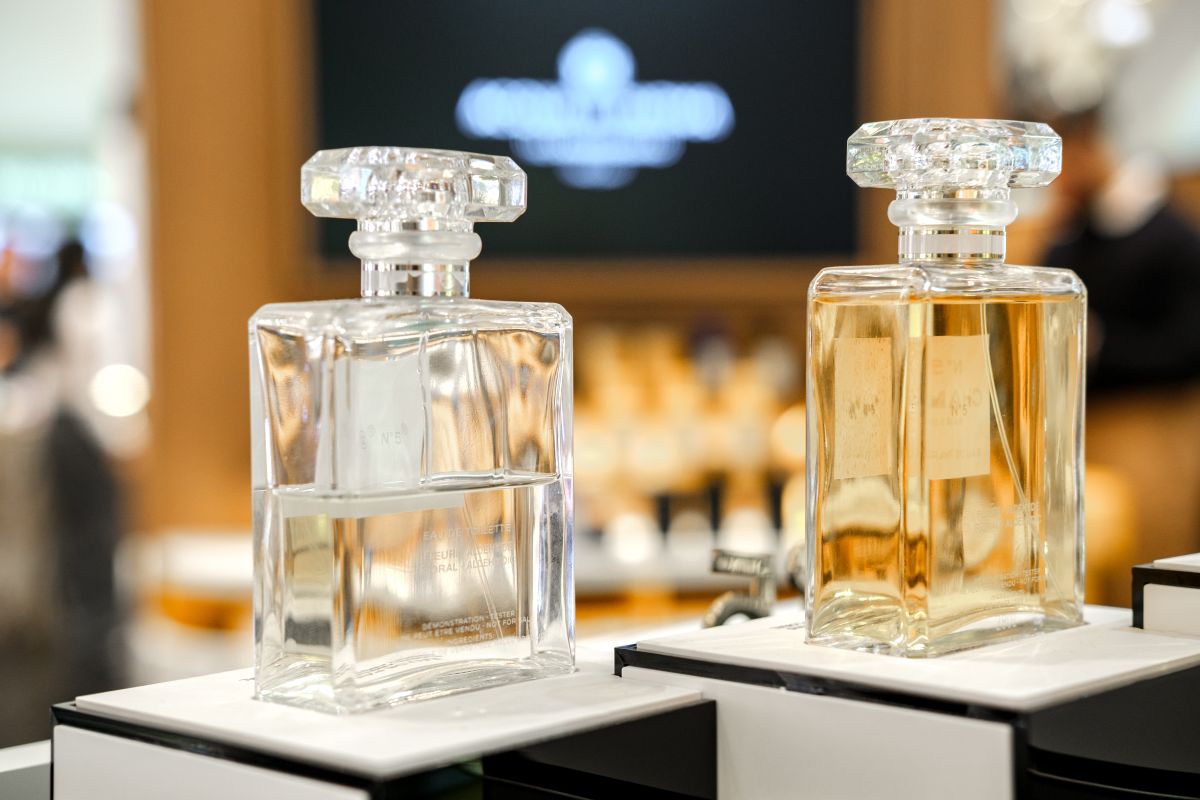 Luxury packaging may face added difficulties in balancing branding with sustainability regulation.
Regulation is becoming one of the most influential components to design, according to Easyfairs.
Frameworks such as the UK’s packaging Extended Producer Responsibility (pEPR) and the EU Packaging and Packaging Waste Regulation (PPWR) are embedding environmental consequences directly into early-stage design decisions, says Easyfairs.
However, some luxury segments may opt to absorb the regulatory cost rather than alter their aesthetic language, as their aesthetic choices are so embedded in brand identity. “High-end luxury beauty brands may just take the hit with higher fees because their packaging is so tied to the prestige of a brand,” says David.
Luxury brands may also face more complexity in recalibrating their brand messaging through their packaging with sustainability requirements, as their aesthetic choices typically align with weight, layering, and material richness.
“Sustainability and packaging design are now central priorities for the luxury sector, with growing pressure to demonstrate authenticity, responsibility, and transparency,” says Michael Jennings, Policy & Public Affairs advisor at Beyondly.
“As pEPR increases both financial and environmental expectations, luxury brands must balance aesthetics with circularity, creating packaging that is not only a beautiful extension of the product, but also recyclable, lightweight, and materially efficient.”
Regulations, material scarcity, and consumer expectations are raising the bar for what counts as “beautiful packaging.” “What makes something beautiful still relies on its visual appeal, but that beauty is increasingly systemic, traceable, and accountable,” says Easyfairs.
The London Packaging Week organizers conclude by stating: “circular systems remain uneven. Infrastructure lags behind intent. And in some categories, legacy signals of luxury still hold firm. Which leaves packaging in a state of productive tension.”
“The future will not be defined by resolving that tension, but by how intelligently it is held.”
Beauty packaging is aiming to balance visual appeal and sustainability.Beauty packaging is aiming to balance visual appeal and sustainability.Beauty packaging is aiming to balance visual appeal and sustainability.Refillable formats are changing how consumers are engaging with beauty brands.Refillable formats are changing how consumers are engaging with beauty brands.Refillable formats are changing how consumers are engaging with beauty brands.Luxury packaging may face added difficulties in balancing branding with sustainability regulation.Luxury packaging may face added difficulties in balancing branding with sustainability regulation.Luxury packaging may face added difficulties in balancing branding with sustainability regulation.