The US Department of Health and Human Services has launched a pledge to ”make hospital food healthier”, encouraging healthcare facilities to limit processed meat and prioritise non-UPF options like plant proteins.
In March, the US government directed hospitals to align their food purchases with the newly released Dietary Guidelines for Americans (DGAs), or risk losing funding.
Now, it has formalised that call with a new Make Hospital Food Healthier pledge, which is asking hospitals to reduce highly processed foods and embrace nutrient-dense options for patient meals.
The action, while voluntary, takes aim at ultra-processed foods (UPFs) high in added sugars, salt and artificial additives, as well as processed meats, to reinforce the ”critical role of nutrition in improving patient health, supporting recovery, and promoting long-term wellness”.
The commitment includes efforts to prioritise minimally processed proteins, with the Department of Health and Human Services (HHS) specifically namechecking plant-based proteins.
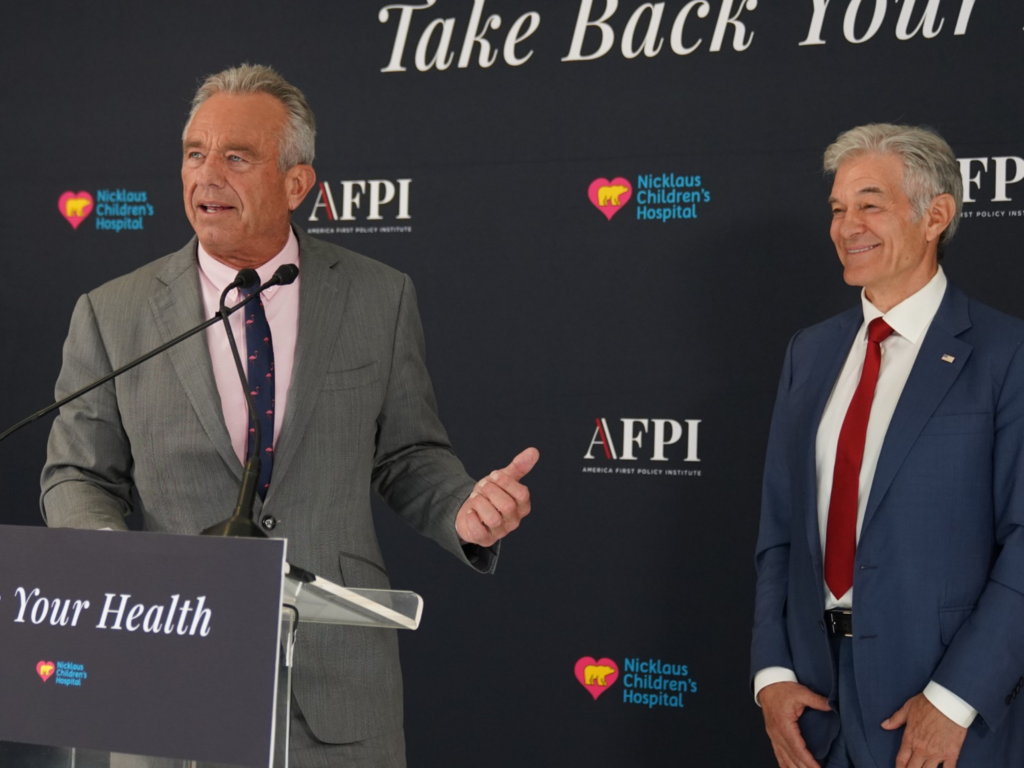
“Patients recovering from serious medical conditions deserve better than ultra-processed and deep-fried junk foods,” said HHS secretary Robert F Kennedy Jr. ”Today, we’re challenging hospitals across the country to lead by example by serving nutritious, minimally processed meals that help patients heal, reduce chronic disease, and help Make America Healthy Again.”
UPFs are under fire – so are the dietary guidelines
The pledge represents the latest US policy attack on UPFs, which make up 55% of Americans’ calorie consumption, rising to 67% for children. Many experts have linked these to a multitude of health ailments (and even premature death).
These products now top consumers’ list of health concerns – 72% of them are trying to avoid these products in their diets, and 79% feel they’re a “significant threat” to public health.
There’s no standard definition of these products, and the Nova classification that originally categorised them has been criticised for being too broad. Health experts have argued that processing levels shouldn’t be conflated with nutritional value, since many UPFs can actually be good for you – think whole-grain bread or fortified milk alternatives.
The Food and Drug Administration is developing a definition of UPFs to encourage companies to label their products as ‘non-ultra-processed’. At the state level, California is considering creating an on-pack anti-UPF seal and has begun phasing out UPFS from school meals.
Meanwhile, a MAHA-aligned non-profit paid $8M to air a highly controversial Super Bowl ad attacking UPFs. It starred boxer Mike Tyson, who has been convicted of rape (for which he served a three-year term in prison) and has a history of domestic violence.
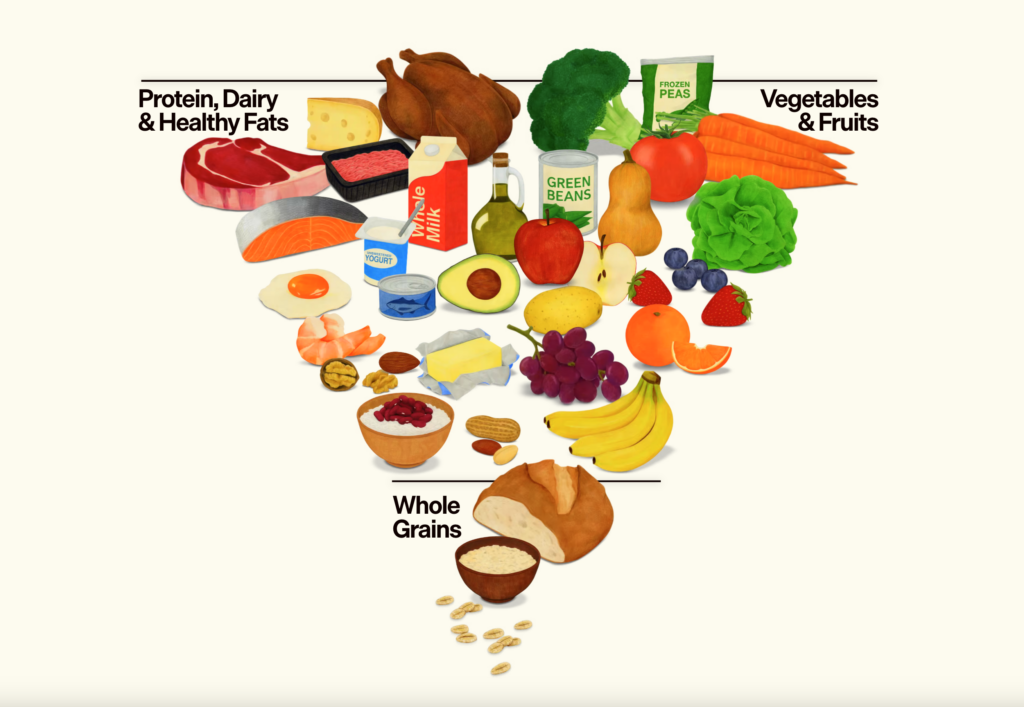
That ad sought to promote the new dietary guidelines, which carry the slogan “Eat Real Food.” However, the DGAs have been heavily criticised for endorsing the consumption of beef, pork, and other red meats, putting whole milk back into the spotlight, and promoting butter and tallow, despite advising Americans to limit saturated fat intake.
It was met with fierce backlash from nutrition and health experts, who took issue with the prominence of animal protein in the now-inverted food pyramid. Even groups aligned with RFK Jr’s MAHA movement pushed back, urging the Trump administration not to increase the meat requirement for school meals.
Prioritising plant proteins can curb diet-related deaths and healthcare spending
The Make Hospital Food Healthier pledge takes a much more measured approach to nutrition than the DGAs, asking healthcare institutions to limit sugary beverages and meals, emphasise whole grains over refined, replace deep-frying with baked, boiled, roasted, stir-fried or grilled preparations, and emphasise fruits, vegetables, legumes, nuts, seeds, seafood, and healthy fats.
However, the voluntary nature of the pledge risks making the policy initiative redundant, as hospitals could simply choose not to sign the commitment and continue with their current procurement habits.
That could, however, come at the expense of public health. Around a million Americans die every year from diet-related chronic diseases. In fact, a poor diet is responsible for more deaths than smoking.
Studies show that red and processed meats raise the risk of some of the leading causes of death in the US, such as obesity, type 2 diabetes, cancer, cardiovascular disease – as well as early death.
In March, the American Heart Association released new guidelines emphasising plant proteins over meat. It’s an approach that has proved fruitful in New York City, where public hospitals adopted a ‘plant-based by default’ approach by making vegan meals the preexisting option for patients.
The result was a 36% reduction in food emissions and a 90% patient satisfaction rate, with the selection of meat-based mains declining by 20%. The vegan meals were 59 cents cheaper than the meat dishes on average – a notable result, considering that the federal government spends $5T on healthcare each year, and 90% of those costs are driven by chronic diseases.
HHS sent notices to hospitals in March, urging them to follow the DGAs and the recommendations that have been incorporated into the pledge, and threatening to cut healthcare funding for institutions that ignore the directive.
“We recently issued a reminder that any hospital which receives Medicare, which is virtually all of them, must ensure our inpatient meals meet individual nutritional needs,” said Mehmet Oz, administrator of the Centers for Medicare & Medicaid Services.
“Hospitals that take this pledge agree to work with us to ensure their nutrition services align with the dietary guidelines for Americans and support healing, recovery, and long-term health.”