
New market data from the Good Food Institute (GFI) shows a split performance for plant-based foods in US foodservice during 2025, with milk and creamer gaining share while meat analogs, eggs, and cheese lost ground.
Meat analogs decline despite pockets of growth
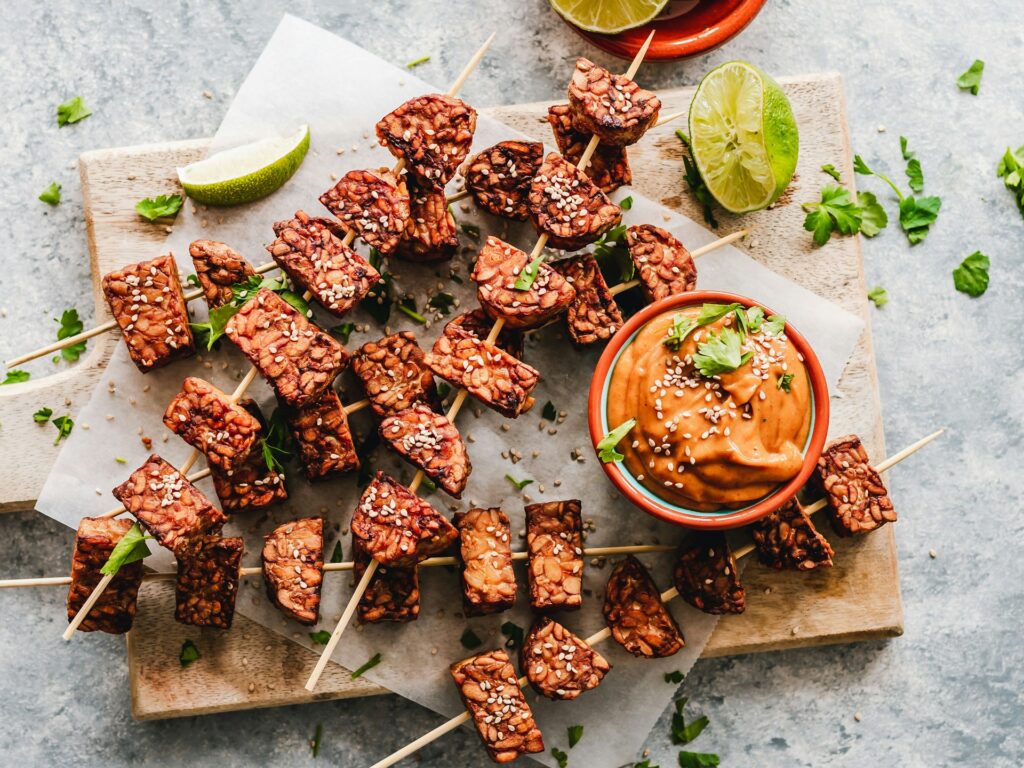
Plant-based protein sales through broadline distributors, covering meat and seafood analogs, tofu, tempeh, and grain, nut, or veggie-based items, totaled $291 million in 2025, down 7% in dollar sales and 5% in pound sales, according to Circana data cited in the report. Some formats bucked the trend, with plant-based pork up 3% in pound sales and chorizo crumbles, chicken nuggets, and pork crumbles all growing by double digits. Restaurants remain the largest buyers, though non-commercial operators, including healthcare and government settings, continued to expand purchases.
Limited menu access likely plays a role. According to GFI’s analysis of the top 250 US chains by revenue, only 8% offer plant-based meat analog dishes, and another 7% offer only non-analog options such as tofu. The remaining majority have no plant-based protein on the menu at all.
Milk and creamer gain share as cheese and eggs struggle
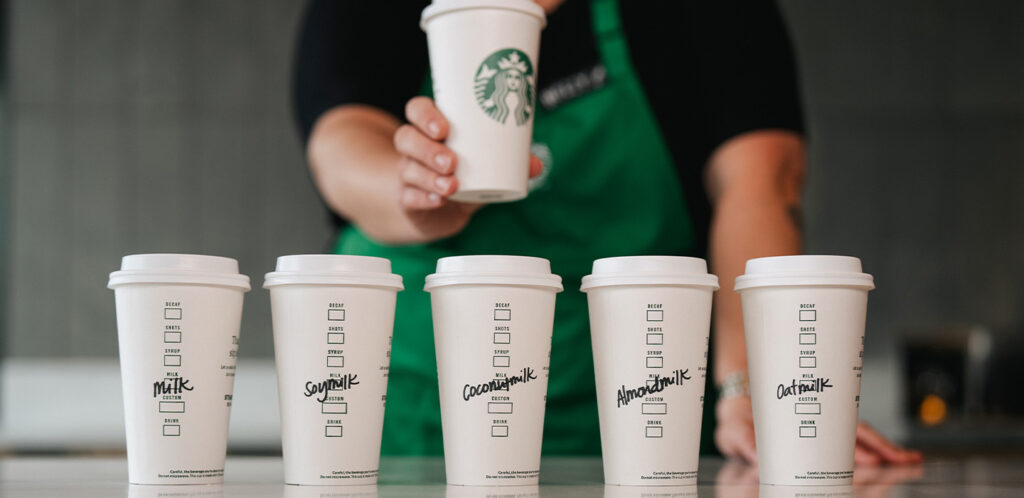
Plant-based milk and creamer moved in the opposite direction. Milk dollar sales rose 16%, lifting its share of total milk pound sales to 13%, while creamer reached a 28% pound share with dollar sales up 4%. GFI linked some of that momentum to coffee chains dropping plant-based dairy surcharges. Notably, plant-based creamer was priced about 41% below its conventional counterpart in 2025, a rare case of the plant-based version costing less.
Plant-based eggs remain a small category, at roughly 1% of the total egg market, with dollar sales up 5% but pound sales down 3% as prices passed $6 per pound. Cheese fared worst, losing 15% in both pound and dollar sales.
Taste, price, and availability remain barriers
Consumer research cited in the report points to taste, texture, and price as the main adoption barriers. Over a third of consumers open to plant-based meat said they hadn’t ordered it recently because it wasn’t on the menu, and nearly two-thirds of plant-based meat diners purchased it only once at restaurant chains in 2025.
Still, those buyers are valuable. Plant-based meat diners spend close to $2,000 a year at restaurant chains, about $500 more than the average diner, according to the report.The full report, including category breakdowns, pricing comparisons, and consumer survey data, is available from GFI.