The expansive offshoot effects of GLP-1 use are being felt in the hair removal market. Weight and skin changes are causing GLP-1 users to become more aware of — and preoccupied with — body hair, consequently seeking solutions such as laser hair removal.
Laser by Aleya observes that as people experience significant weight loss due to GLP-1 drugs, they become more aware of other details regarding their appearance that they may have previously not paid attention to.
The New York City, US, -based laser and electrolysis hair removal company draws attention to how the hair removal industry is “quietly becoming part of this conversation.”
According to Laser by Aleya, the use of GLP-1 drugs such as Ozempic and Wegovy is leading to specific hair removal concerns. The company says that as body compositions shift with drastic weight loss, the skin changes texture. This leads to more attention in areas that may not have been previously considered for hair removal, such as the thighs, abdomen, and upper arms.
“The motivation is different with these clients,” says Aleya Bamdad, founder and CEO at Laser by Aleya. “It is not just about removing hair. It is about finishing the picture, feeling complete in the transformation they have already started.”
Investing once, investing twice
Laser hair removal is gaining attention among weight loss drug users.
The company clarifies that this increased interest in hair removal from demographics on GLP-1 drugs is primarily due to consumer behavior rather than changes in hair growth patterns. These demographics tend to approach hair removal consultations with “a particular clarity of purpose,” says Laser by Aleya.
According to Laser by Aleya, GLP-1 users are familiar with self-transformation through their weight loss journeys. They are also committed to “support and complement the results they have worked toward” by seeking further improvements to their appearances, says the company.
“We are seeing clients come in who are in a completely different relationship with their bodies than they were a year ago,” says Bamdad. “They are more tuned in, more intentional, and they want treatments that keep pace with how they are choosing to show up.”
The company explains that hair removal on skin undergoing GLP-1 treatment also requires a tailored approach. “Factors including skin tone shifts, changes in hair density across different body areas, and increased skin sensitivity following weight loss all influence how a treatment plan is structured,” it says.
Beauty’s golden goose: GLP-1
Whether it’s hair loss, hair removal, skin care, body care, or even vulvar health, the modern beauty landscape is swarmed with consumer demands induced by GLP-1 side effects. These ripple effects are exposing lucrative new opportunities for industry players.
The industry is responding to the novel beauty concerns emerging from GLP-1 use with various launches. Solutions to “Ozempic face” — the premature, sudden-onset skin laxity caused by GLP-1 use — continue to gain traction across the personal care industry.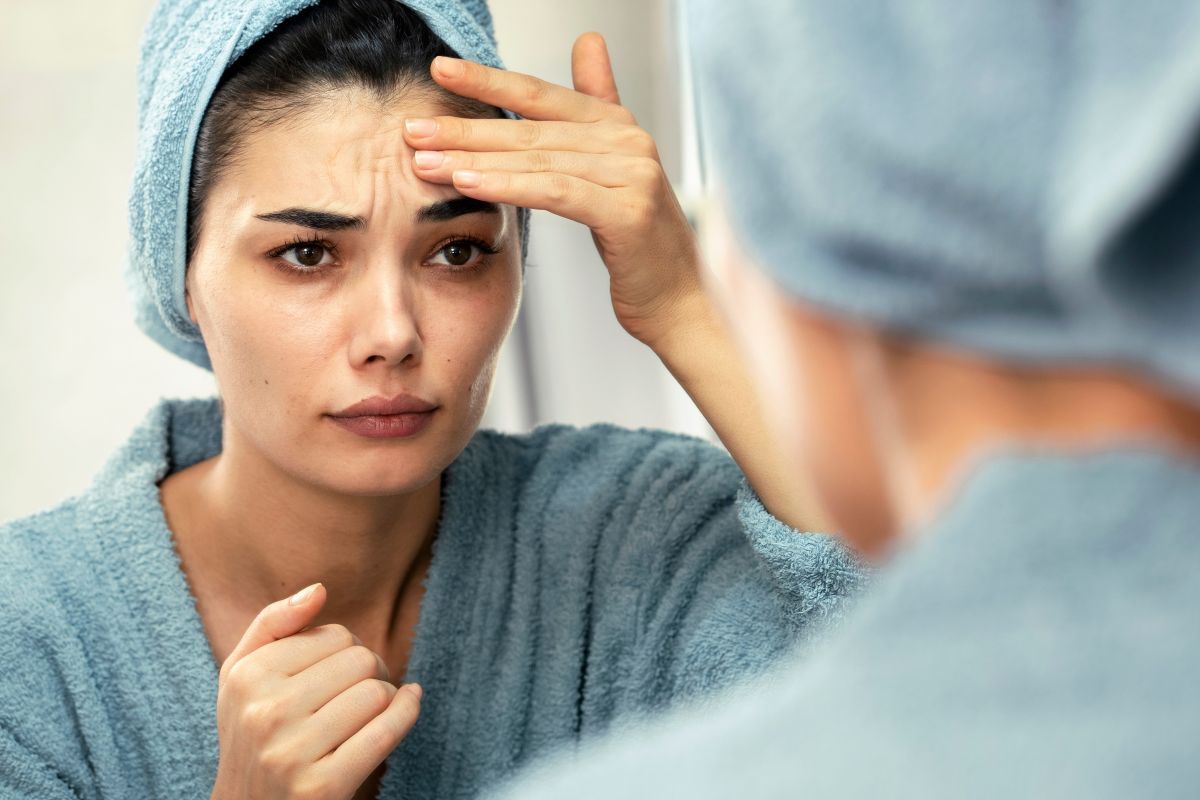
Beauty brands are responding to GLP-1-related body concerns.
Earlier this month, AV Laboratories released its 360° topical molecular nourishment approach to skin care to address cosmetic needs coming from the widespread use of GLP-1 medications. The science-led skin care brand aims to provide solutions that support the skin as it copes with sudden weight loss caused by GLP-1 drugs.
The company stated that the cosmetics industry, especially skin care, must adapt to the metabolic and aesthetic impacts of the GLP-1 era to support the visible health and quality of skin during GLP-1-induced weight loss.
Similarly, Debut launched an active ingredient, DermCeutical Elastin Deep Lift, targeting cellular aging, to address the demand for procedure-like results at home and help fight the skin effects of GLP-1 drugs, in February.
“This isn’t a gradual, age-related change, but rather an unexpected side effect of these weight loss medications. As a result, skin laxity has become a growing concern across the population, accelerating demand for solutions that help restore dermal structural support,” Joshua Britton, PhD, founder and CEO at Debut, told Personal Care Insights.
At In-cosmetics Global 2026, Hagen Döring, area sales manager at Provital, told us about the launch of Intensilk, an ingredient designed for body care longevity in response to GLP-1 use-related consumer demands.
In February, the Cellular Medicine Association (CMA) said one of the side effects of the increased usage of weight loss drugs is “Ozempic vulva.”
“Ozempic vulva” refers to the volume loss, laxity, dryness, and discomfort that can follow rapid fat reduction in the vulvar tissues. To tackle this intimate care gap, CMA launched the Vampire Facelift and the Vampire Wing Lift procedures.
Laser hair removal is gaining attention among weight loss drug users.
Laser hair removal is gaining attention among weight loss drug users.
Laser hair removal is gaining attention among weight loss drug users.