A new peer-reviewed study has found that biorefineries producing protein from green leaves and sugar from plant fiber could, in theory, meet the world’s protein needs within one to two years if deployed rapidly during a global food crisis. The research, funded by the Alliance to Feed the Earth in Disasters (ALLFED) and published in Sustainable Production and Consumption, models the potential of grassland legumes such as alfalfa and red clover as emergency food sources, including in scenarios such as nuclear winter.
Affordable and scalable, with caveats
The process works by pressing leafy biomass to extract a protein-rich juice, which is then heated to produce leaf protein concentrate (LPC). The fibrous leftovers are converted into sugar, and both can be eaten directly or processed further. Under normal commercial conditions, the researchers estimate production costs of roughly $1 to $2 per kilogram of combined product. In a crisis scenario requiring accelerated construction, they put the retail cost of meeting one person’s daily caloric needs at $1 to $2 per day.
The bigger challenge is raw material. Around 3 billion tonnes of legume biomass would be needed annually to cover global protein requirements through this method. Current worldwide alfalfa production sits at around 0.25 billion tonnes per year, meaning a substantial ramp-up in cultivation would be required. The authors identify biomass supply, not energy or financing, as the main bottleneck.
A sector already taking shape
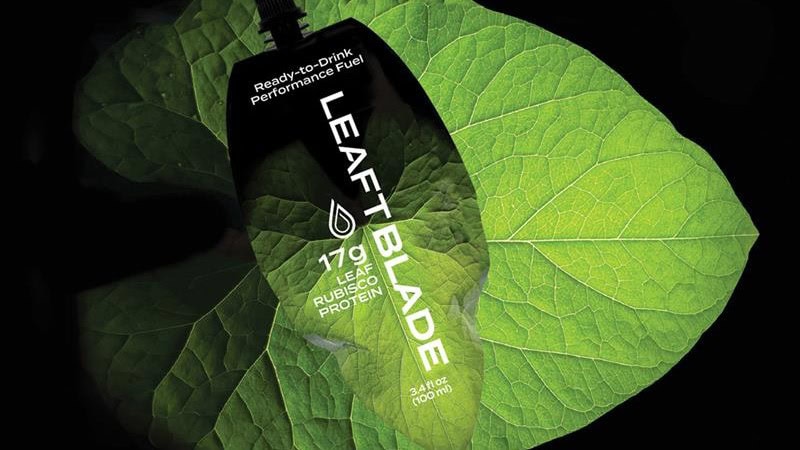
Commercial interest in leaf protein is growing. New Zealand-based Leaft Foods now produces one tonne of protein products per week from a commercial facility. Israeli startup Day 8 and Australia’s The Leaf Protein Co. are also working to commercialize leaf-derived ingredients for food applications.
The study’s authors note that taste remains a practical hurdle, with LPC’s naturally bitter and grassy flavor a known barrier to consumer acceptance, and call for further research into processing approaches that address this without sacrificing protein yields.