Austria’s Revo Foods has introduced a mycelium chicken fillet made from its 3D-printing tech in three European markets. Just don’t call it an alternative.
Revo Foods is expanding its mycelium portfolio beyond seafood and standalone proteins, launching a new line of whole-cut chicken fillets.
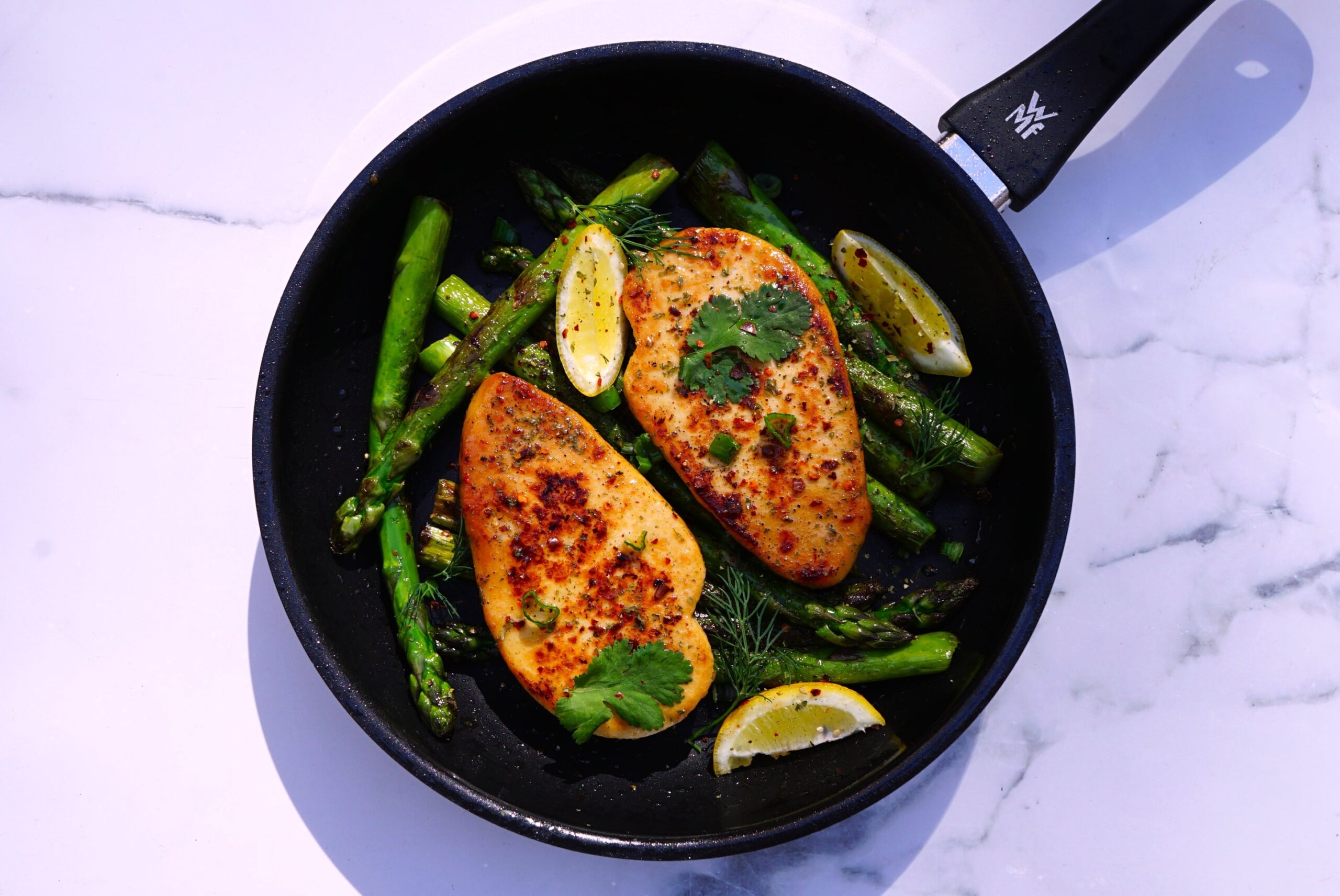
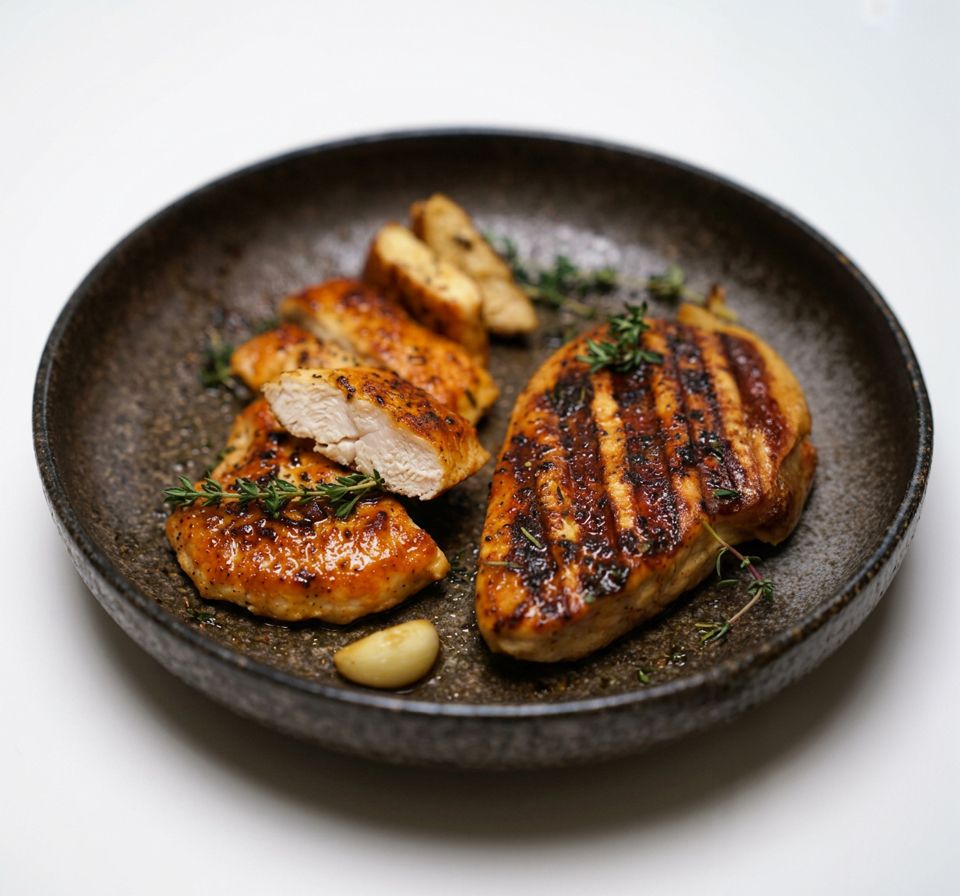
Titled El Pollo – Inspired by Chicken, the range is being rolled out in Austria, Germany and Italy next month, and will be available in three flavours: original, BBQ and Asian Fusion.
The products have a short ingredient list and a Nutri-Score A rating, positioning them as nutritious, minimally processed protein options for Europe’s health-conscious consumers.
“El Pollo is an example of how versatile mycoprotein in combination with our new 3D structuring process is,” Revo Foods said in a LinkedIn post.
High fibre content in line with nutritional needs
Founded in 2020, Revo Foods leverages fermentation and 3D printing to produce future-friendly proteins. Its computer-guided models integrate fat into the protein matrix to transform unstructured proteins (like mycoprotein) into products with aligned, heterogeneous fibres.
The startup says it uses mycoprotein because it can double in biomass every five hours, making it one of the most efficient sources of protein on the planet.
Mycelium protein has a neutral taste and a highly desirable nutritional profile. It contains all essential amino acids, has a high protein digestibility score, and is rich in fibre and low in carbs and saturated fat.
For its chicken fillet, Revo Foods pairs the mycoprotein with fava bean protein, rapeseed oil, bamboo fibre, methylcellulose, natural flavours, and salt. While the protein content is just over half that of conventional chicken, at 13g per 100g, the product does contain 8g of fibre.
That aligns with what Europeans really need from their food. Like most in the West, they overconsume protein, and most are deficient in fiber, with daily intake far below the 25-35g recommended by experts.
“Chicken is the most-eaten meat in the world, and the plant-based versions can be a bit bland. We experimented a lot with our texturising process, and believe we found a new way to make the product more juicy and fibrous than ever before,” the company said.
Revo Foods opened a large-scale 3D-printing facility, dubbed The Taste Factory, in Vienna in 2024, and last year installed a new extrusion system in its machines, boosting output by 50% and drastically cutting production waste.
To scale up even further, the company moved to a larger production site in the city. It’s now capable of manufacturing 20 tonnes of mycoprotein (or 60,000 units) per month, a 10-fold increase from its capacity at the start of 2025.
Not a chicken alternative
Revo Foods is adamant that the new products stay true to their name, underlining the claim that they’re “inspired by chicken” rather than viewed as an alternative to the protein.
“In the beginning, I was convinced the most important thing was to imitate an existing animal product, and to name ours after it, so people would place it as an alternative and feel comfortable eating it,” founder and commercial director Robin Simsa said in a LinkedIn post.
“My thinking has changed. I now believe that making an ‘alternative’ to something only invites comparison. The product never gets judged on its own quality. It is far more valuable to show consumers what mycoprotein actually does for their health and nutrition, and to make that the hero, rather than marketing the product as a ‘substitute’ for something else,” he added.
It echoes comments Simsa made in an interview with Green Queen last year. “The plant-based industry had a dogma that if you replicate meat 100%, consumers will come, and I don’t think this is true anymore,” he said. “I believe people care less about a one-to-one replica, but rather [they care about] a good protein source (like mycoprotein), prepared in an engaging and attractive way.”
This underscored the company’s decision to diversify beyond its flagship range of seafood alternatives, which include mycelium-based salmon, black cod and octopus. In April 2025, Revo Foods introduced The Prime Cut, a mycoprotein fillet that doesn’t intend to mimic any animal protein. This was followed by a mince format months later.
The firm has also been co-developing products with Slovenia’s Juicy Marbles, unveiling Kinda cod and salmon alternatives in the US.
All this has helped boost Revo Foods’s financial standing. The startup secured €1.6M in an oversubscribed crowdfunding round last year, and is in the middle of another raise on FunderNation and it closed 2025 with annual revenue exceeding €1M. And with products in over 1,000 retailers, it’s now aiming to become profitable by next year.