
German biotech startup Primogene has raised €4.1M ($4.8M) to commercialise its bioactive molecules, which can replace functional ingredients in infant and elderly nutrition and personal care.
Leipzig-based firm Primogene has secured fresh funding to bring its nature-identical enzymatic biomolecules to market for the nutrition and wellness sectors.
The startup has raised €4.1M ($4.8M) in seed funding led by High-Tech Gründerfonds, with participation from Technologiegründerfonds Sachsen, Better Ventures, Sächsische Beteiligungsgesellschaft, Golzern Holding, FS Life Science Investment, and C-Lecta founder Marc Struhalla.
Primogene has built a biocatalysis platform that leverages enzymes to reproduce structurally complex molecules identical to their natural equivalents, such as human milk oligosaccharides for the infant formula market.
“We are changing how biomolecules are produced and unlocking the scalable production of molecules that were previously too complex or too costly to access,” co-founder and COO Linda Karger said in a LinkedIn post.
Enzymatic manufacturing can unlock fermentation bottlenecks
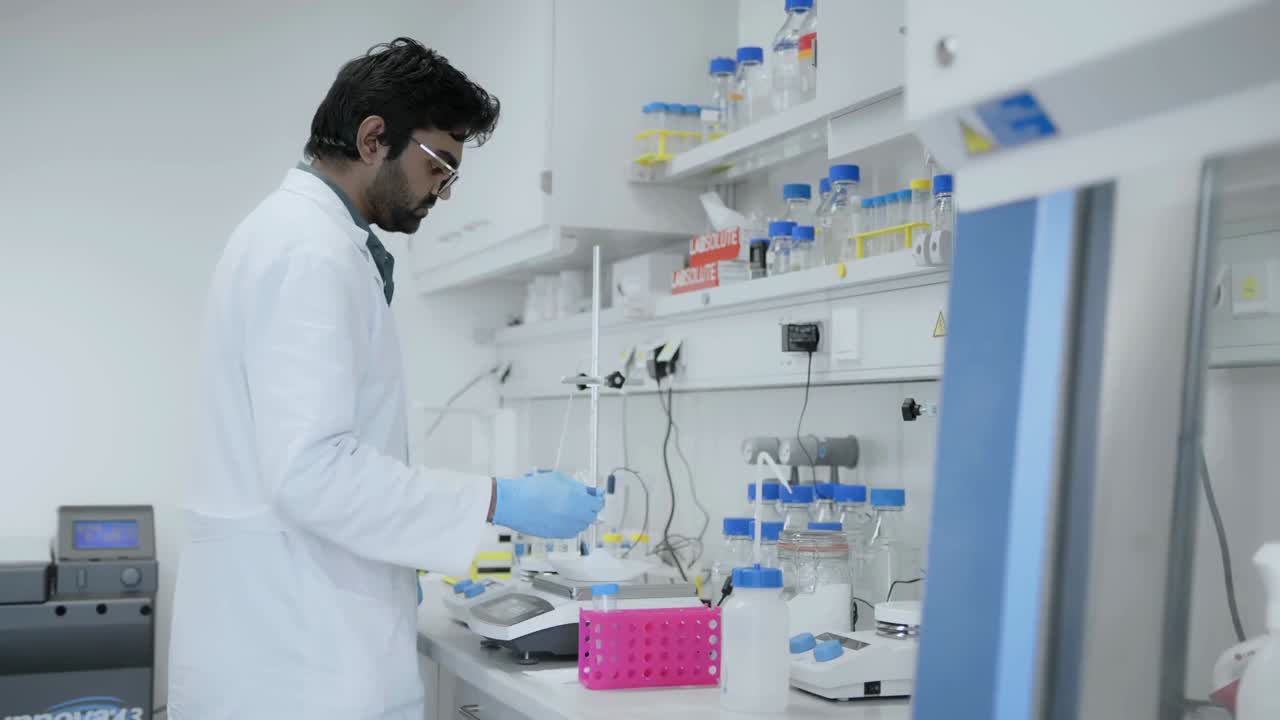
Karger founded Primogene with CEO Reza Mahour and Valerian Grote in 2023, specialising in the development of enzymatic biomanufacturing processes to produce eco-friendly functional ingredients and raw materials for nutrition, personal care, and pharmaceuticals.
Many of the molecules it’s targeting play key roles across different life stages: supporting the immune system and development of infants, enhancing cognitive function in seniors, and serving as functional ingredients in beauty and cosmetics products.
Its initial focus is on human milk oligosaccharides (HMOs), which support gut health, boost immunity, and protect infants against pathogens. Primogene is targeting -N-tetraose (DSLNT), a structural HMO with key clinical benefits for premature infants.
The company notes that established fermentation-based approaches to manufacturing these ingredients require significant investment, are operationally cost-intensive, and face biological constraints on the complexity of molecules that can be produced.
But enzymatic processes can overcome these bottlenecks, enabling their production efficiently at scale. “Enzymatic synthesis is the key to unlocking the next generation of complex bioactive molecules, and Primogene has developed concepts to efficiently produce several high-potential products,” said Struhalla.
Primogene has developed scalable processes for DSLNT and a family of fucosylated lacto-N-tetraose molecules, including difucosyllacto-N-tetraose, the HMO with the second-highest concentration in breast milk.
The infant nutrition focus comes as the HMO market grows by 18-20% annually. In fact, in 2023, over 65% of baby formula launches featured one or more HMOs.
Primogene eyes partners in infant nutrition, functional foods, and other segments
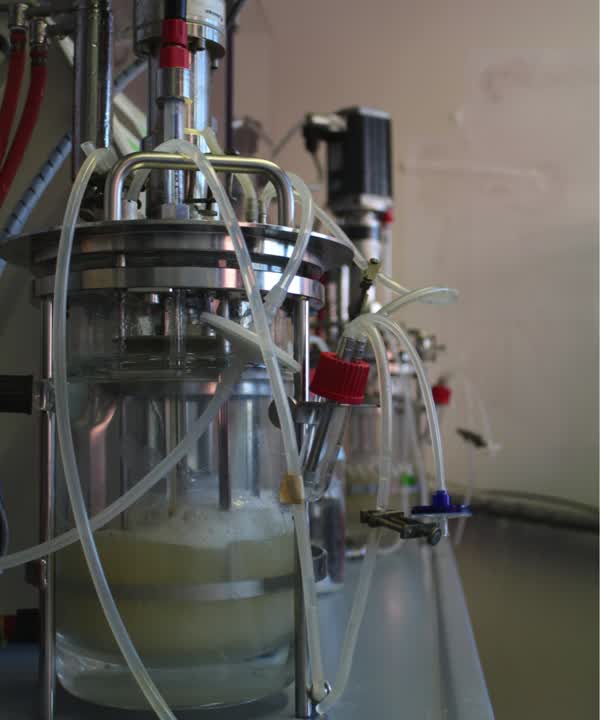
Primogene’s tech expands well beyond infant nutrition. It is also producing biomolecules that support gut health in adults, enhance cognitive function in seniors, and serve as functional ingredients in personal care products.
In addition, it supplies high-quality raw materials for the pharmaceutical and biopharma industries, boosting supply chain resilience through localised production in Europe. The entire process, from enzyme development and production to biotransformation and downstream processing, is managed at its facility in Leipzig.
Primogene has established commercial partnerships in the personal care sector, with some active ingredients already available on the market. Its pharmaceutical raw materials are being evaluated by customers, with collaborations in advanced stages.
The firm is now pursuing joint development partnerships with infant formula and functional food producers to bring its HMOs, including DSLNT, to market.
It has teamed up with the Fraunhofer Institute for Cell Therapy and Immunology to explore the potential of its ingredients for preventing infectious diseases. Plus, it’s working with neonatal intensive care units to monitor HMO concentrations in the breast milk of mothers who have given preterm birth, helping define clinically relevant dosing and application in neonatal care.
The company will use the new funds to expand its production capacity in Leipzig, strengthen its IP portfolio, and grow its team. It will also broaden its consumer base and ramp up strategic partnerships to accelerate the industrial launch of its products, with infant nutrition a key focus.
“Primogene combines deep scientific excellence with strong industrial relevance. They address a core challenge: the inefficient, expensive, and technically limited production of complex biomolecules using chemical or traditional fermentation methods,” noted Stephan Ruck, investment analyst at High-Tech Gründerfonds.
“Their multi-enzyme platform unlocks complex biomolecules which were previously too costly or difficult to produce at scale. The team executes fast, listens to customer feedback, and already shows great traction. We are very happy about the financing round and look forward to the next steps.”